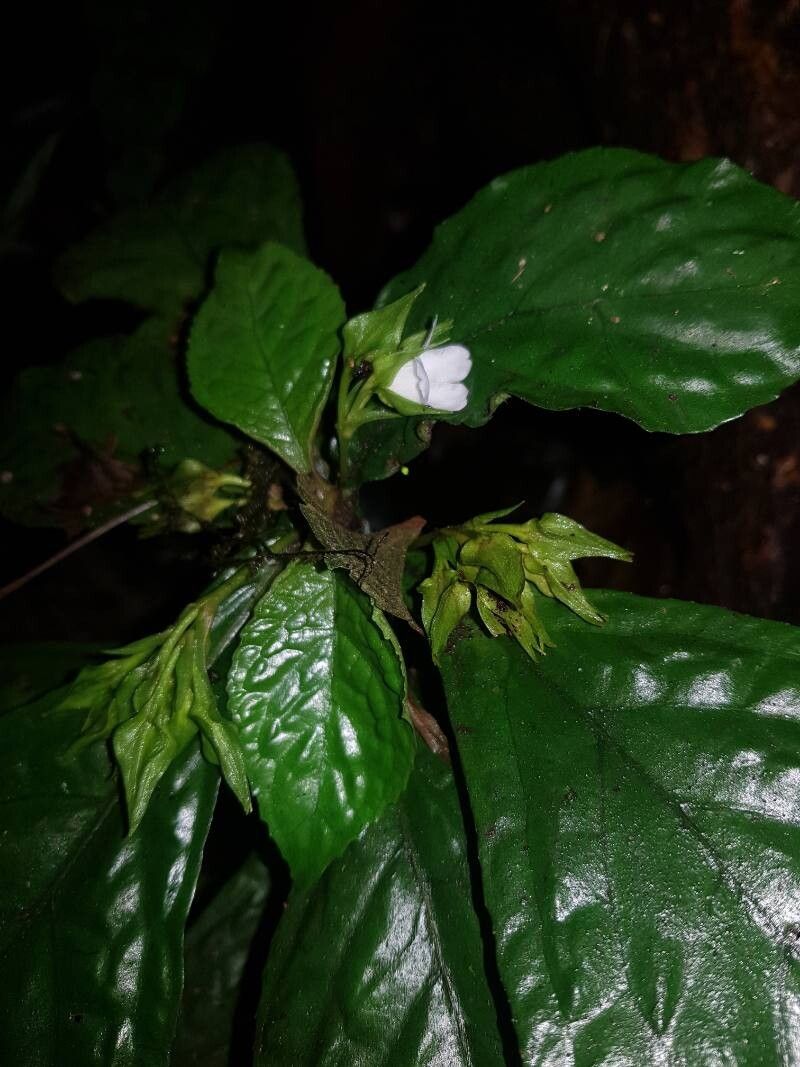
Hey there, fellow plant lovers! Today, we’re diving into the wonderful world of Napeanthus bracteatus. If you’re not familiar with this gem, imagine delicate, almost ethereal flowers gracing lush, tropical-looking foliage. It’s a plant that brings a touch of the exotic right into your home. And let me tell you, successfully propagating Napeanthus bracteatus is a truly rewarding experience – like coaxing a tiny miracle into existence!
Now, I’ll be honest, Napeanthus bracteatus isn’t the absolute easiest plant to propagate for complete beginners. It’s a sensitive soul, but with a little care and attention, you can absolutely master it. Don’t let that deter you; think of it as a delightful challenge that will teach you a lot.
The Best Time to Start
My favorite time to get my hands dirty with Napeanthus bracteatus propagation is when the plant is in its active growing season. Think late spring through summer. This is when the plant has the most energy reserves and is brimming with vitality, making it more receptive to rooting. You’ll want to take cuttings from healthy, non-flowering stems.
Supplies You’ll Need
Here’s what you’ll want to have on hand before you get started:
- Sharp, clean pruning shears or a clean razor blade: This is crucial for making clean cuts to prevent disease.
- Rooting hormone (powder or gel): While not always strictly necessary, it can definitely give your cuttings a helpful boost. Look for one formulated for softwood or semi-hardwood cuttings.
- Well-draining potting mix: A good blend of peat moss, perlite, and a touch of compost works beautifully. You can also find pre-made mixes for African violets or gesneriads, which often have the right texture.
- Small pots or propagation trays: Clean, small pots (about 3-4 inches) are perfect. Make sure they have drainage holes!
- Clear plastic bags or domes: These create a humid environment, which is vital for cuttings.
- Watering can with a fine rose nozzle or a spray bottle: Gentle watering is key.
- Optional: Heating mat: This can significantly speed up root development.
Propagation Methods
We’ll focus on stem cuttings, as it’s the most reliable method for Napeanthus bracteatus.
Stem Cuttings
- Select your cuttings: Look for healthy, mature stems that are still somewhat flexible, not woody. Aim for stems that are about 4-6 inches long and have at least 2-3 sets of leaves. Using non-flowering stems is best; you want the plant’s energy going into roots, not flowers.
- Make the cut: Using your sterilized pruning shears or razor blade, make a clean cut just below a leaf node (the spot where a leaf attaches to the stem). This is where roots are most likely to form.
- Prepare the cutting: Gently remove the lower leaves, leaving just the top 2-3 sets. This prevents leaves from rotting when submerged in soil or water.
- Apply rooting hormone (optional but recommended): Dip the cut end of the stem into your rooting hormone, tapping off any excess.
- Plant your cuttings: Fill your small pots with your prepared potting mix. Make a small hole in the center with your finger or a pencil, and gently insert the cut end of the stem. Firm the soil around it.
- Water gently: Water the soil well until it’s evenly moist but not soggy. A fine spray is often best to avoid disturbing the cutting.
- Create humidity: Place a clear plastic bag over the pot, securing it loosely around the rim with a rubber band, or use a propagation dome. Make sure no leaves are pressing against the plastic.
- Provide light and warmth: Place the pots in a bright spot out of direct sunlight. If you have a heating mat, place the pots on top of it.
The “Secret Sauce” (Pro Tips)
Here are a few things I’ve learned over the years that can make a big difference:
- Don’t let the leaves touch the water: If you were to try water propagation (which I find less reliable for this specific plant), it’s super important that no leaves are submerged. They’ll just rot. For soil propagation, this translates to keeping them above the soil level.
- Bottom heat is your best friend: Seriously, a little warmth from below is like a cozy blanket for your cuttings. It encourages root growth much faster and increases your success rate significantly.
- A Light Mist is Better Than a Drench: When you mist, do it lightly. You want to keep the air around the cuttings humid, not create a swampy environment in the pot. Too much moisture on the leaves can lead to fungal issues.
Aftercare & Troubleshooting
Once your cuttings have been planted, check them regularly. Keep the soil consistently moist but not waterlogged. You’ll want to open the plastic bag or dome for a brief period each day to allow for air circulation and prevent fungal growth.
You’ll know your cuttings are happy when you see new leaf growth! This usually takes anywhere from 3-6 weeks, sometimes longer. Once you see signs of new growth, you can gradually acclimate them to lower humidity by opening the bag more frequently or removing it entirely. They’re ready to be treated like any small Napeanthus bracteatus plant.
Now, what if things go wrong? The most common sign of trouble is rot. If your cutting turns black and mushy, it’s likely succumbed to rot, usually due to overwatering or poor air circulation. If you see this, it’s best to discard the cutting and try again, ensuring your soil drains well and you’re not overwatering. Yellowing leaves can also indicate too much or too little water.
A Encouraging Closing
Propagating plants is a journey, and sometimes there are a few detours. Don’t get discouraged if your first attempt isn’t a smashing success. Keep experimenting, be patient with your new little leaf babies, and most importantly, enjoy the process of coaxing new life into being! Happy gardening!
Resource:
https://identify.plantnet.org/k-world-flora/species/Napeanthus%20bracteatus%20C.V.Morton/data