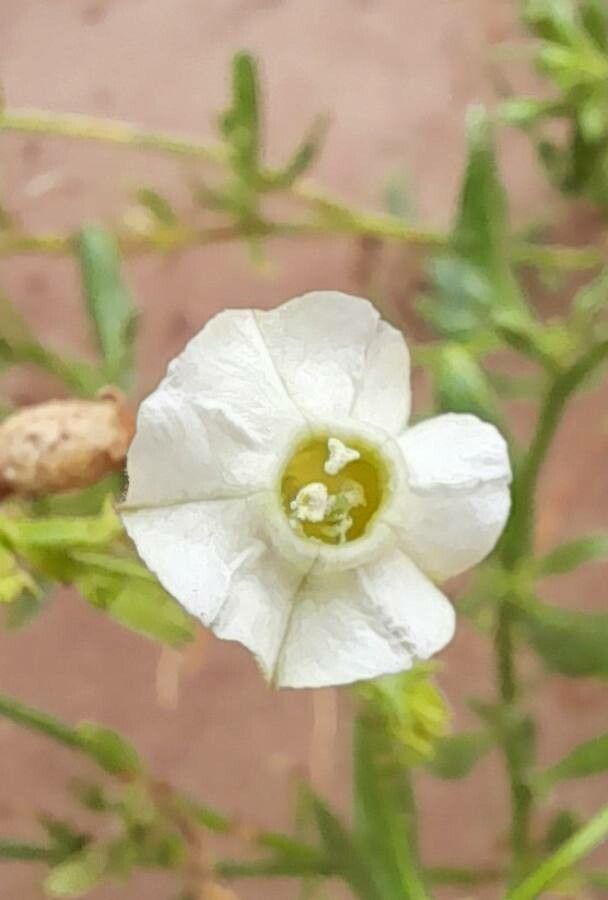
Grow More Nicotiana Petunioides: A Gardener’s Guide to Easy Propagation
Oh, Nicotiana petunioides! If you’ve ever been mesmerized by the delicate, star-shaped blooms and the intoxicating fragrance that drifts on a summer evening, you know why this plant is a garden gem. Its graceful habit and beautiful flowers add such elegance to any border or container. And the best part? Sharing this beauty is wonderfully achievable. Propagating Nicotiana petunioides is a truly rewarding experience, and while it might sound a bit fancy, I’ve found it to be quite accessible, even for those just starting their gardening journey. Let’s get your hands dirty!
When Should You Get Started?
For the most reliable results, late spring or early summer is your golden window. This is when the plant is actively growing and has plenty of youthful energy to spare. You’ll want to take cuttings from healthy, non-flowering stems. If your plant has just finished blooming, you can also snip away spent flower stalks and use those shorter pieces. Just make sure they are firm and not floppy.
Your Propagation Arsenal
Here’s what you’ll want to have ready before you begin:
- Sharp, clean pruning shears or a sharp knife: Essential for making clean cuts.
- Rooting hormone (optional but helpful): A powder or gel that encourages root development.
- Small pots or trays: About 3-4 inches in size.
- Well-draining potting mix: I like a blend of peat moss, perlite, and a bit of compost. A seed-starting mix works well too.
- Watering can with a fine rose attachment: For gentle watering.
- Plastic bags or a propagation dome: To create a humid environment.
- Labels and a waterproof marker: Don’t forget to label your precious new plants!
Let’s Get Propagating!
There are a few ways we can coax new Nicotiana plants from our existing ones. My favorite for this particular beauty is stem cuttings.
- Taking Cuttings: Begin by selecting a healthy stem. Using your sharp shears or knife, make a clean cut just below a leaf node (where a leaf attaches to the stem). You’re looking for cuttings that are about 4-6 inches long. Remove any lower leaves, leaving just two or three at the very top. This is crucial to prevent rot in the soil.
- Dipping in Rooting Hormone (Optional): If you’re using rooting hormone, lightly dip the cut end of the stem into the powder or gel. Tap off any excess.
- Planting Your Cuttings: Fill your small pots with your prepared potting mix. Make a small hole in the center of the soil with your finger or a pencil. Gently insert the cut end of your Nicotiana cutting into the hole, ensuring the leaves at the top aren’t buried.
- Firming the Soil and Watering: Lightly firm the soil around the cutting to ensure good contact. Then, give it a gentle watering using your fine-rose watering can. You want the soil to be moist but not waterlogged.
- Creating a Humid Environment: Cover the pot loosely with a clear plastic bag, or place it under a propagation dome. This trap moisture and creates the humid greenhouse effect the cuttings need to root. You can prop up the bag with a few small sticks or skewers so it doesn’t touch the leaves.
The “Secret Sauce” from My Greenhouse
Over the years, I’ve learned a few tricks that really boost propagation success.
- Bottom Heat is Your Friend: If you have a seedling heat mat, placing your pots on it can make a world of difference. Warm soil encourages root development much faster. It’s like giving them a cozy, warm bed to grow in!
- Don’t Be Afraid of Air Circulation: While humidity is key, you don’t want stagnant air. Every couple of days, lift the plastic bag or open the dome for a few minutes to allow for some air exchange. This helps prevent fungal issues.
- Patience with Water Propagation (if you choose that route): While stem cuttings in soil are my go-to for Nicotiana petunioides, if you decide to try water propagation, it’s important to remember that removing the leaves from touching the water is vital. Rot sets in quickly when those are submerged.
Aftercare and What to Watch For
Once your cuttings are planted, place them in a bright spot out of direct sunlight. Keep the soil consistently moist but never soggy. You’ll know they’re rooting when you see new growth appearing at the top. This usually takes a few weeks. Once they have a good root system, you can gently transplant them into slightly larger pots.
Common signs of trouble include wilting that doesn’t improve with watering or black, mushy stems. This is often a sign of overwatering and potential rot. If you see this, try to salvage any healthy parts of the stem and repot them in fresh, dry soil. Sometimes, the delicate balance of moisture is just a bit off, and a restart is the best option.
Happy Growing!
Propagating Nicotiana petunioides is a wonderful way to multiply your garden’s beauty. Don’t be discouraged if your first attempt isn’t perfect. Gardening is always a learning process, and each new plant you nurture brings a special kind of joy. So, grab your shears, find those healthy stems, and get ready to grow more of these fragrant stars!
Resource: