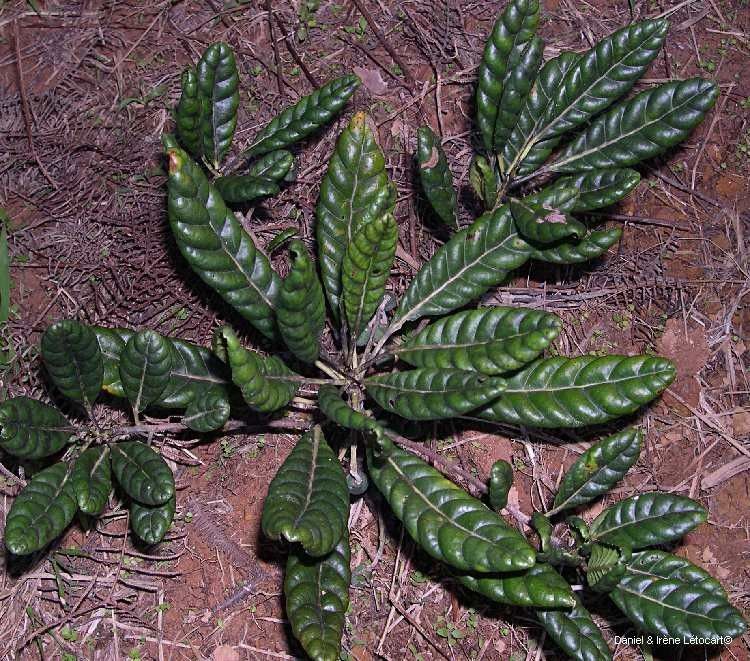
Oh, hello there! Grab a mug, won’t you? I’m so delighted you’re interested in propagating Elaeocarpus bullatus, or as we lovingly call it, the Blue Quandong. If you’ve ever seen its stunning azure berries dangling like jewels against glossy green foliage, you know why it’s a real showstopper. And the best part? You can bring more of that beauty into your own garden by growing them from scratch! It’s a truly rewarding journey, and while it might seem a little daunting at first, I promise, with a bit of know-how and patience, you’ll be a pro in no time.
The Best Time to Start
For E. bullatus, spring is your best friend. Think of it as the plant waking up after its winter nap, full of energy and ready to grow. You’ll have the most luck taking cuttings when the new growth is still a bit soft, but has started to firm up. That’s usually from late spring right through to early summer.
Supplies You’ll Need
Here’s our little toolkit for success:
- Sharp Pruning Shears or a Knife: Cleanliness is key here.
- Rooting Hormone: A gentle touch of this can make a world of difference. I like the powder form for cuttings.
- Potting Mix: A good blend of perlite and peat moss works wonders. You want something that drains well but still holds a bit of moisture. Think of it as a light, airy bed for your new plantlets.
- Small Pots or Seedling Trays: With drainage holes, of course!
- Clear Plastic Bags or a Propagator Lid: To create a humid environment – baby plants love that!
- Watering Can with a Fine Rose: Gentle watering is a must.
Propagation Methods
I find that stem cuttings are the most reliable way to get more Blue Quandongs. It’s my go-to method.
- Take Your Cuttings: In spring or early summer, select healthy, non-flowering stems. Look for shoots that are about 4-6 inches long. Make a clean cut just below a leaf node (where a leaf joins the stem). Remove the leaves from the bottom half of the cutting.
- Dip in Rooting Hormone: Gently dip the cut end of each cutting into your rooting hormone powder. Tap off any excess.
- Plant Your Cuttings: Fill your pots with the prepared potting mix. Make a small hole in the center of each pot with your finger or a pencil. Carefully insert the rooted end of the cutting into the hole, firming the mix around it gently. You can fit a few cuttings in one pot, just give them a little breathing room.
- Create a Humid Environment: Water the soil lightly. Then, place a clear plastic bag over the pot, securing it around the rim with a rubber band or twist-tie. Alternatively, use a propagator lid. This traps moisture and creates that lovely humid microclimate cuttings crave.
- Find a Bright Spot: Place your pots in a bright location, but out of direct, harsh sunlight. A greenhouse, a sunny windowsill indoors, or a sheltered spot on a patio will work well.
The “Secret Sauce” (Pro Tips)
- Don’t Overwater, but Keep it Moist: This is crucial. You want the soil to be consistently damp, not soggy. If you see water pooling in the pot, you’ve gone too far.
- Bottom Heat is Your Friend: If you have it, a gentle heat mat placed under your pots can significantly speed up root development. It mimics the warmth of spring soil really beautifully.
- Watch for Mistakes: If you see leaves turning yellow or the stem looking mushy and dark, that’s a sign of rot. It usually means the environment is too wet, or the cutting isn’t viable. Don’t be disheartened; just try again!
Aftercare & Troubleshooting
Once your cuttings have been in their humid haven for about 6-8 weeks, start gently tugging on them. If you feel resistance, congratulations! You’ve got roots!
Once roots have formed, it’s time to gradually acclimate them to normal humidity. You can start by opening the plastic bag a little each day for a week, then remove it completely. Water them as you would any young plant – keep the soil moist but not waterlogged. You can transplant them into individual pots when they have a good root system and are showing strong new growth.
The most common troublemaker is rot, usually caused by too much moisture. If you see signs of this, try to dry out the soil a little and ensure good air circulation. Sometimes, it’s just a matter of the cutting not taking, and that’s okay. Nature has its own rhythm.
A Little Patience, A Lot of Joy!
Growing plants from cuttings is a wonderfully satisfying experience. It connects you to the plant’s life cycle in a very tangible way. Don’t get discouraged if your first few attempts aren’t perfect. Every gardener has their learning curve! Just keep trying, observe your plants, and enjoy the process of nurturing these little glimpses of future Blue Quandong trees. Happy growing!
Resource:
https://identify.plantnet.org/k-world-flora/species/Elaeocarpus%20bullatus%20Tirel/data