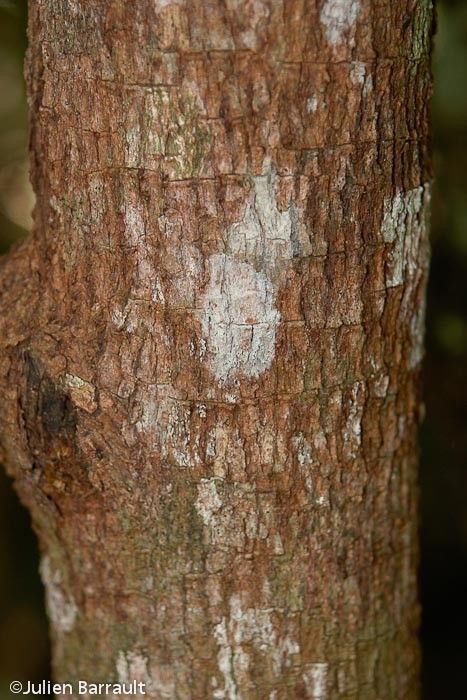
Hey there, fellow garden enthusiasts! Today, we’re diving into something truly special: Geijera parviflora, often called Australian Willow. If you’ve ever admired its elegant, weeping branches and the delicate, almost feathery foliage, you’re not alone. This tree brings a touch of the Australian outback right into our gardens, and there’s nothing quite like the satisfaction of growing your own from scratch.
Now, about whether it’s a beginner project – I’d say Geijera parviflora is moderately easy. It’s not a push-button plant, but with a little attention and the right approach, you’ll be well on your way to success. Watching a tiny cutting transform into a miniature version of this beautiful tree is incredibly rewarding.
The Best Time to Start
For propagation, especially from cuttings, I’ve found that late spring to early summer usually gives us the best results. This is when the plant is actively growing and has plenty of energy to put into developing new roots. You want to work with semi-hardwood cuttings, which are neither brand new and floppy nor old and woody. Think of it as that sweet spot where a stem can bend without snapping, but it’s not entirely soft.
Supplies You’ll Need
Gathering your tools beforehand makes the whole process so much smoother. Here’s what I usually have on hand:
- Sharp pruning shears or a clean, sharp knife: For taking clean cuts.
- Potting mix: A well-draining mix is crucial. I often use a blend of potting soil, perlite, and a bit of coarse sand. For cuttings, something lighter like a mix of peat moss and perlite works wonders.
- Small pots or propagation trays: Choose something that’s the right size for individual cuttings.
- Rooting hormone (optional but recommended): This helps jumpstart root development. Look for one with IBA (indole-3-butyric acid).
- Plastic bags or a propagation dome: To create a humid environment.
- Watering can with a fine rose or spray bottle: For gentle watering.
- Labels: To keep track of what you’ve potted and when.
Propagation Methods: Stem Cuttings – My Go-To
Stem cuttings are generally the most reliable method for Geijera parviflora. Here’s how I tackle it:
- Take Your Cuttings: Head out in the morning after the dew has dried. Select healthy, vigorous stems that are about 6-8 inches long. Use your sharp shears to make a clean cut just below a leaf node (that’s where the leaves attach to the stem). Remove the lower leaves, leaving just a couple at the top. This reduces water loss and prevents rotting in the soil.
- Prepare the Cutting: If you’re using rooting hormone, dip the cut end into the powder, tapping off any excess.
- Pot Them Up: Fill your pots with your prepared, moistened potting mix. Make a hole in the center of the mix with a pencil or your finger.
- Insert the Cuttings: Gently place the cut end of the cutting into the hole, ensuring it’s firm. You can place 2-3 cuttings per pot if they are small.
- Water Gently: Water thoroughly after planting to settle the soil around the cutting.
- Create Humidity: Cover the pots with a plastic bag, a clear plastic dome, or place them in a mini greenhouse. Make sure the plastic doesn’t touch the leaves too much. This traps moisture and creates that humid microclimate cuttings crave.
The “Secret Sauce” (Pro Tips)
Here are a couple of things I’ve learned over the years that really make a difference:
- Don’t let those leaves touch the water! If you’re propagating in water (though I find soil cuttings more successful for Geijera), submerged leaves are a recipe for rot. They just start to decay and can take the whole cutting down with them. Keep them high and dry.
- Consider bottom heat. If you have a propagation mat, placing your pots on it can be a game-changer. The gentle warmth encourages root formation from below, giving you a significant boost in success rates, especially if your room is on the cooler side.
Aftercare & Troubleshooting
Once your cuttings are potted and covered, find a bright spot that avoids direct, scorching sun. A bit of indirect light is perfect. Keep the soil consistently moist but not soggy. You’ll know your cuttings are happy if you see tiny new leaves starting to emerge.
This usually takes anywhere from 4-8 weeks, sometimes longer. Be patient! If you notice leaves turning yellow and falling off, or the stem gets mushy at the soil line, that’s a sign of rot. This usually means too much moisture or not enough air circulation. Try lifting the plastic slightly to increase airflow, and check that your soil isn’t waterlogged.
A Little Patience Goes A Long Way
Propagating Geijera parviflora is a wonderful way to expand your collection or share this beautiful tree with friends. Don’t get discouraged if your first attempt isn’t a runaway success. Gardening is all about learning and adapting. Enjoy the process, celebrate the little victories, and before you know it, you’ll have your own fleet of Australian Willows to admire! Happy growing!
Resource:
https://identify.plantnet.org/k-world-flora/species/Geijera%20cauliflora%20Baill./data