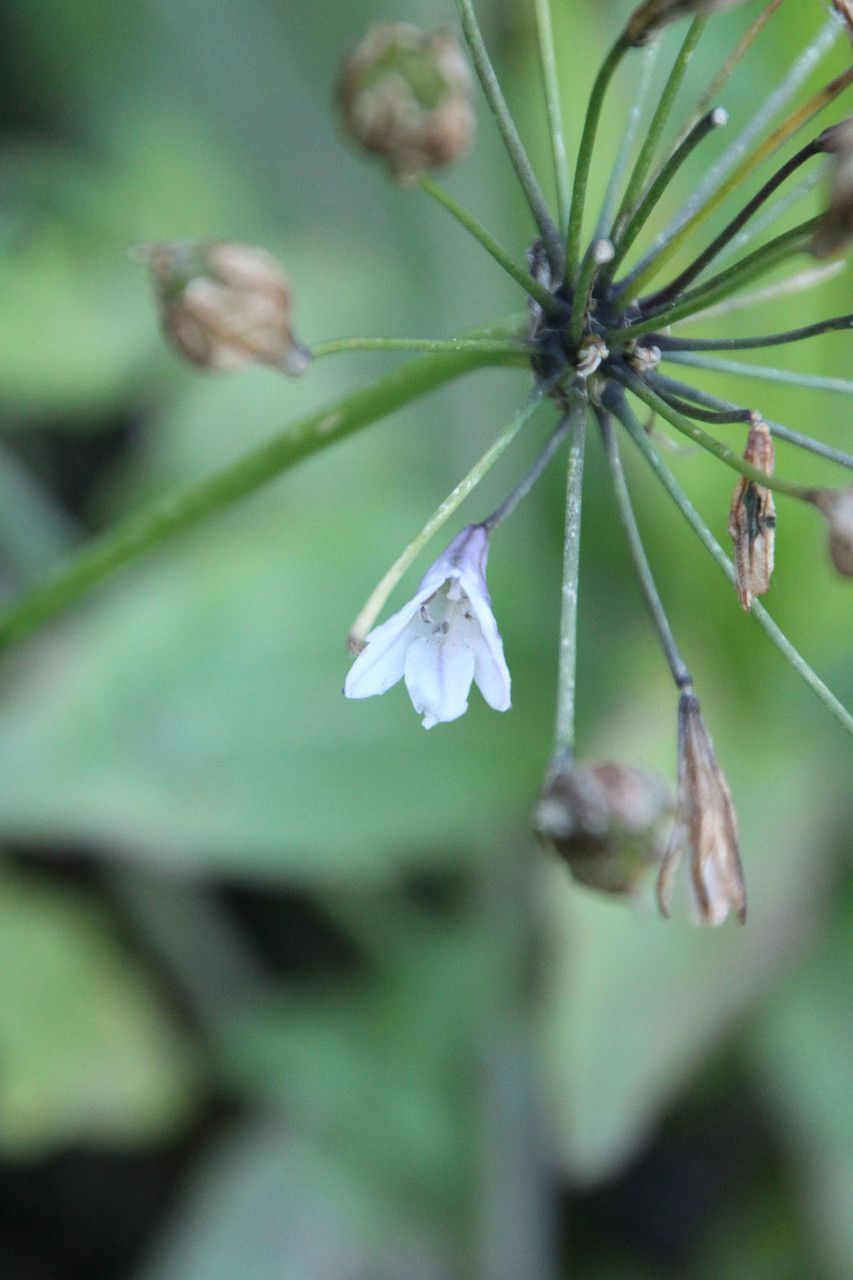
Hello there, fellow plant enthusiasts! It’s so wonderful to have you join me. Today, we’re diving into the delightful world of propagating Triteleia clementina, sometimes called the Clementine Brodiaea.
Why Grow More Triteleia Clementina?
I’ve always been drawn to these California natives. Their delicate, star-shaped flowers, often in shades of lilac and lavender, bring a touch of elegance to the late spring garden. They’re relatively drought-tolerant once established and attract pollinators like a magnet. Seeing these beauties emerge from tiny bulbs is truly a joy. And the best part? They’re surprisingly easy to multiply! If you’re looking for a rewarding project that doesn’t require a professional greenhouse, you’ve come to the right place. Even beginners will find this a very approachable plant to propagate.
The Best Time to Start
The sweet spot for propagating Triteleia clementina is dormancy. This usually means late summer to early fall, after the foliage has died back, or late winter to early spring before new growth really takes off. Think of it as giving them a gentle nudge to wake up and make friends!
Supplies You’ll Need
Gathering your tools makes the whole process smoother. Here’s what I always have on hand:
- Sharp, clean pruning shears or a small trowel: For making clean cuts or gently digging.
- Well-draining potting mix: A blend of equal parts potting soil, perlite, and coarse sand works wonders.
- Small pots or seedling trays: Enough to accommodate your divisions.
- Watering can with a fine rose: For gentle watering.
- (Optional) Rooting hormone: I sometimes use it, especially if I’m propagating from a smaller division, but it’s not strictly necessary for Triteleia.
Propagation Methods: Let’s Get Our Hands Dirty!
For Triteleia clementina, the most successful and straightforward method is division. These plants naturally form clusters over time, and separating them is like giving them a little personal space to thrive.
- Excavate Gently: When your plant is dormant, carefully dig around the clump. I like to use my trowel to loosen the soil and then gently pull the entire plant, including the root ball, from the ground. If you have them in pots, simply invert the pot and tap it out.
- Identify the Divisions: You’ll see that the main bulb has produced smaller bulblets attached to it, or separate offsets have formed around the parent bulb. They’ll look like tiny bulbs.
- Separate with Care: Gently tease the divisions apart. You want to ensure each division has at least one good bulb and some attached roots. Older, dried-out bulb husks can be removed. If they’re very tightly held together, use your clean pruning shears to make a precise cut.
- Replant Immediately: Don’t let those separated bulbs sit out for too long. Plant them at the same depth they were previously growing, or about 1-2 inches deep. Give them a good drink of water.
The “Secret Sauce”
Here are a couple of tricks I’ve learned over the years that really make a difference:
- Don’t Overcrowd: When you’re replanting, give each new division enough space. Trying to cram too many into one spot will lead to competition for resources and can result in weaker growth. Think of it as giving them their own little kingdom.
- Mulch is Your Friend: Once planted, a light layer of mulch (like shredded bark or compost) will help retain moisture and suppress weeds. This is especially important as the weather warms up.
Aftercare & Troubleshooting
Your newly planted Triteleia divisions will need a little TLC.
- Watering: Keep the soil consistently moist but not soggy. Water thoroughly after planting. Once they establish, they’re quite drought-tolerant, but don’t let them dry out completely in their first year.
- Sunlight: They prefer full sun to partial shade.
- Signs of Trouble: The main culprit for new bulb plantings is rot. This usually happens from overwatering or poorly draining soil. If you see any soft, mushy bulbs or yellowing foliage that appears unhealthy (not just the natural die-back), you might have an issue. Ensure your soil is well-draining, and adjust your watering schedule.
Happy Growing!
Propagating Triteleia clementina is a truly rewarding endeavor. It’s a wonderful way to expand your garden’s beauty and share these lovely blooms with friends. Be patient, enjoy the process of nurturing these new plants, and soon you’ll have even more of their charming flowers gracing your garden. Happy gardening!
Resource:
https://identify.plantnet.org/k-world-flora/species/Triteleia%20clementina%20Hoover/data