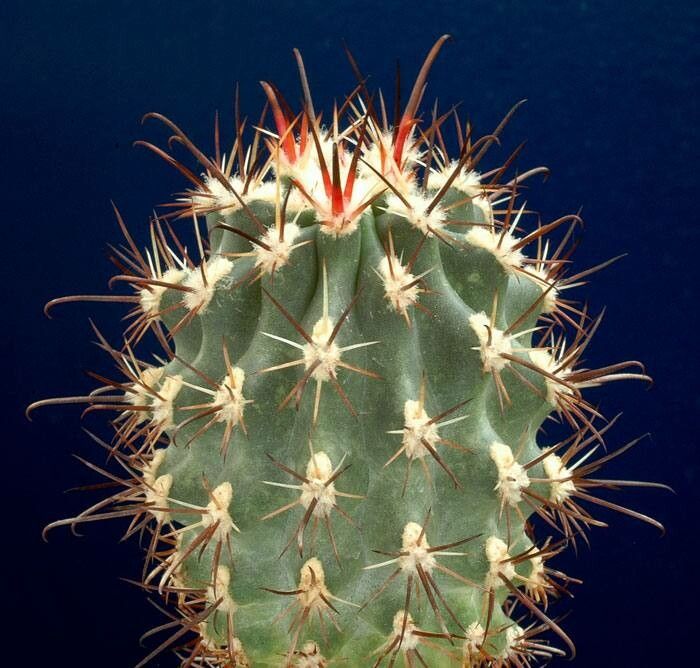
Hello hello, fellow plant lovers! Pull up a chair, grab your favorite mug, because today we’re diving into something I find absolutely thrilling: propagating Sclerocactus parviflorus, also known as the Arizona parry cactus or simply, the little barrel cactus.
This little gem really captures the essence of desert charm. With its stout, ribbed body and those stunning, often vibrant flowers, it’s a real statement piece for any succulent collection. And the beauty of propagating? It’s like creating your own desert landscape, one tiny cactus at a time. Now, be warned, Sclerocactus parviflorus isn’t the easiest plant to start with, especially if you’re brand new to the cactus world. But with a little know-how and patience, you can absolutely succeed. Think of it like learning to ride a bike – a few wobbles at first, but so rewarding when you get going.
The Best Time to Start
For most cacti, including our Sclerocactus parviflorus, the active growing season is your golden ticket. This typically means late spring through summer. You want the plant to be healthy and energetic, ready to dedicate its resources to making new roots. Starting during a period of dormancy is generally a recipe for disappointment. So, mark your calendars for when the days get longer and warmer!
Supplies You’ll Need
Gathering your tools before you begin makes the whole process so much smoother. Here’s what I always have on hand:
- Well-draining potting mix: This is non-negotiable for cacti! A good cactus/succulent mix works perfectly, or you can DIY by blending equal parts potting soil, coarse sand, and perlite or pumice.
- Sharp, sterilized pruning shears or a clean knife: For making clean cuts. Sterilize with rubbing alcohol between uses.
- Rooting hormone (optional but recommended): This can give your cuttings a little boost. Look for one formulated for succulents.
- Clean pots or trays: Small ones are ideal for starting out. Ensure they have drainage holes.
- Gravel or small pebbles: For top dressing.
- Spray bottle: For very light watering.
Propagation Methods
Sclerocactus parviflorus is most commonly propagated from offsets (pups) or sometimes from seed, though seeds can be a slower and more fiddly process. Let’s focus on offsets, which are essentially baby cacti that grow at the base of the mother plant.
Propagating from Offsets (Pups):
- Identify a healthy offset: Look for a small, well-formed pup attached to the base of the mature cactus.
- Gently detach the offset: Using your sterilized knife or shears, carefully cut the offset away from the mother plant. Try to get a bit of its base where it connects. If it has already developed a few small root nubs, even better!
- Allow to callus: This is the most critical step for preventing rot. Place the detached offset in a dry, bright spot away from direct sun for at least 4-7 days, or even longer if it’s a larger offset. You want the cut surface to dry out and form a protective callus. It will look a bit shriveled and dull – that’s exactly what you want!
- Plant in a dry mix: Once callused, lightly dust the cut end with rooting hormone if you’re using it. Then, nestle the offset into your prepared well-draining potting mix. Don’t bury it too deeply; just enough so it stands upright.
- Wait for roots: Do not water immediately! For the first week or two, resist the urge. You can mist the soil very, very lightly if the offset begins to look severely dehydrated, but your goal is to encourage roots to seek out moisture. You’ll know roots have formed when the cactus feels more stable and shows signs of new growth – a subtle plumpness or even a tiny new spine. This can take several weeks.
- Brindled watering: Once you see signs of rooting, you can begin watering very sparingly. Let the soil dry out completely between waterings.
The “Secret Sauce”
Here are a couple of tricks I’ve picked up over the years that make a real difference:
- Bottom heat is magical: If you can, place your pot with the offset in a warm spot. A heat mat designed for seedlings or even just on top of a gently warm appliance (like a router!) can significantly speed up root development. Cacti love warmth, especially when they’re trying to grow.
- Don’t over-pot: Resist the temptation to put a tiny offset in a huge pot. A small pot means the soil dries out faster, which is exactly what these little guys need at this stage. Overwatering the soil in a large pot is a sure way to invite rot before roots even form.
Aftercare & Troubleshooting
Once your little Sclerocactus has set down roots, you can begin treating it more like a mature cactus, but with a gentle hand. Continue to water only when the soil is completely dry. Place it in a bright, sunny location, but gradually acclimate it to full sun if it was previously in a shadier spot.
The most common enemy you’ll face is rot. If your offset starts to look mushy, discolored (often black or brown and soft), or it’s just not firming up, it’s likely rot. Unfortunately, once rot sets in, it’s very difficult to save. Prevention through proper callusing and using well-draining soil is key. Another sign of problems is if the cactus just seems to shrivel and shrink away over weeks without any new growth; this could indicate it’s not rooting and the stored water is just evaporating.
A Bit of Patience, A Lot of Joy
Propagating any plant, especially a cactus, is a journey, not a race. There will be times you doubt your green thumb, but trust me, those moments of success – seeing that first tiny speck of new growth or feeling the firm resistance of new roots – are incredibly satisfying. Keep learning, keep experimenting, and most importantly, enjoy the process of nurturing new life. Happy propagating!
Resource: