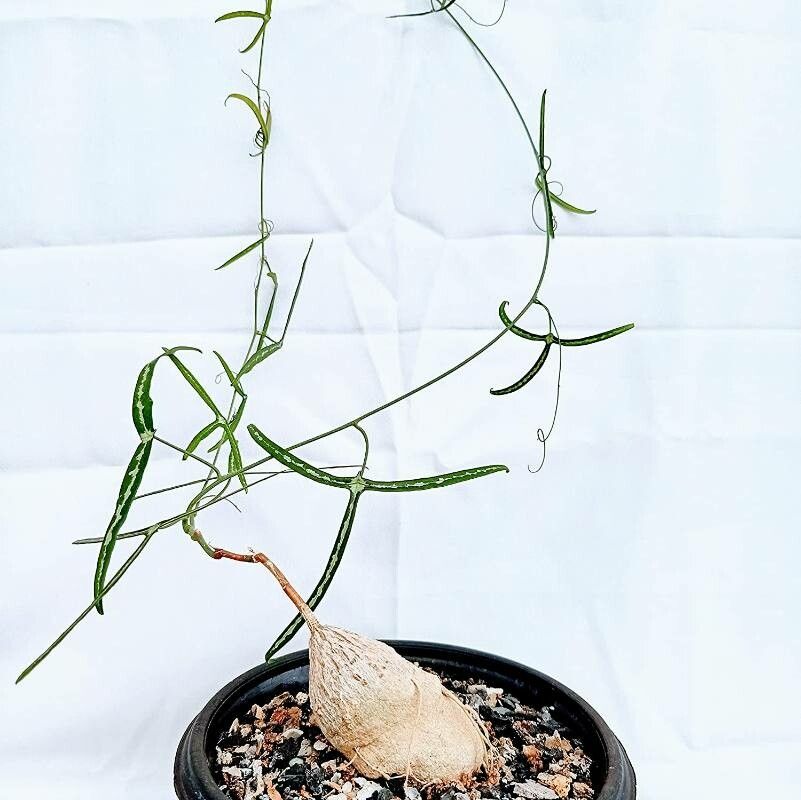
Oh, Adenia kirkii! If you’ve ever fallen under its spell, you know exactly why I’m so excited to chat about this one. With those wonderfully swollen caudices and delicate, almost whimsical leaves, it’s a true gem in any collection. And the best part? Bringing more of these beauties into the world through propagation is incredibly rewarding. Now, I’ll be honest, Adenia kirkii isn’t the easiest plant for a complete beginner to propagate, but with a little care and attention, it’s certainly achievable. Think of it as a rewarding challenge!
The Best Time to Start
My go-to time for propagating Adenia kirkii is during its active growing season. For most of us, this means late spring through summer. You want to work with a plant that’s full of energy and ready to put down roots. Trying to do this when the plant is dormant or recovering will just lead to disappointment. Look for healthy, robust growth – that’s your cue.
Supplies You’ll Need
Before we get our hands dirty, let’s gather our tools. Having everything ready makes the process so much smoother.
- Sharp Pruning Shears or a Clean Knife: For making clean cuts.
- Rooting Hormone (Optional but Recommended): Especially for stem cuttings. Look for one with IBA (indole-3-butyric acid).
- Well-Draining Potting Mix: A good blend for succulents or a mix of perlite, coarse sand, and a little bit of peat moss or coco coir works wonders. We want to avoid soggy feet!
- Small Pots or Seedling Trays: Choose containers with drainage holes.
- Watering Can or Spray Bottle: For gentle watering.
- Clear Plastic Bag or Propagator Box: To create a humid environment.
- Sticks or Skewers: To prop up the bag if needed.
- Patience! This is the most important tool.
Propagation Methods
Adenia kirkii can be a bit particular, but we’ve got a couple of tried-and-true methods that usually work well.
Stem Cuttings
This is probably the most common way to go.
- Select a Healthy Stem: Look for a non-flowering stem that’s at least 3-6 inches long and firm, not soft or woody.
- Make a Clean Cut: Using your sharp shears, make a clean cut just below a leaf node (where a leaf attaches to the stem).
- Remove Lower Leaves: Gently pinch off any leaves from the bottom half of the cutting. This prevents them from rotting in the soil.
- Let it Callus: This is a crucial step! Let the cut end air dry for 1-3 days until a callus forms. This helps prevent rot.
- Apply Rooting Hormone (Optional): Dip the callused end into your rooting hormone powder, tap off any excess.
- Plant the Cutting: Insert the callused end about an inch deep into your prepared, lightly moist potting mix. Gently firm the soil around it.
- Create Humidity: Water the soil very lightly. Then, cover the pot with a clear plastic bag or place it in a propagator box. You can use skewers to keep the bag from touching the leaves.
- Find a Warm Spot: Place the pot in a bright location, but out of direct sunlight. Ideally, it should be warm – around 70-75°F (21-24°C) is perfect.
Water Propagation (Use with Caution)
While some people have success with water propagation, Adenias can be prone to rot in water. If you try this, be extra vigilant.
- Prepare the Cutting: Follow steps 1-4 from the stem cutting method.
- Place in Water: Insert the callused end into a jar or glass of clean water. Make sure no leaves are submerged in the water.
- Change Water Regularly: Change the water every few days to keep it fresh and oxygenated.
- Monitor Closely: Watch for root development. Once roots are about an inch long, it’s usually best to plant it in soil, as prolonged water immersion can cause root rot.
The “Secret Sauce” (Pro Tips)
Here are a couple of things I’ve learned over the years that can really boost your chances.
- Bottom Heat is Your Friend: If you have a heat mat designed for seedlings, place your pots on it. This consistent warmth from below encourages root development and significantly increases success rates, especially for stem cuttings.
- Don’t Overwater, Ever! This is the cardinal sin with succulents and Adenias. The callusing step helps, but even after planting, let the soil dry out slightly between waterings. It’s far better to underwater than to overwater.
- Be Patient with the Caudex: When you’re trying to propagate a caudex-forming plant like Adenia kirkii, don’t expect it to swell overnight. The swelling often happens after the plant has established a good root system. Focus on root development first.
Aftercare & Troubleshooting
Once you see signs of new growth – a tiny leaf unfurling or the stem looking a bit plumper – you’re on the right track!
- Gradual Acclimation: Once roots have formed (you might feel a gentle tug when you lightly try to move the cutting, or see roots peeking from the drainage holes), it’s time to gradually remove the humidity cover over a week or so. This helps the new plant adjust to drier air.
- Continue Gentle Watering: Water only when the top inch of soil feels dry.
- Bright, Indirect Light: Keep it in a bright spot, but avoid harsh, direct sun, which can scorch delicate new growth.
Now, for the not-so-fun part: troubleshooting.
- Rot: The most common issue. If your cutting turns mushy, black, or smells foul, it’s likely rot. Unfortunately, this is often fatal. Prevention is key: proper callusing and well-draining soil are your best defense.
- No Roots: If after several weeks you see no signs of life, don’t despair. Some plants are just slower starters. Ensure it’s still in a warm spot and not getting too wet or too dry. If the stem has become soft, it’s a bad sign.
A Encouraging Closing
Propagating Adenia kirkii is a journey, and like all good gardening adventures, it requires patience. Don’t be discouraged if your first attempt isn’t a runaway success. Each cutting, each pot, is a learning opportunity. Celebrate the little wins, enjoy the process of nurturing these unique plants, and before you know it, you’ll have a whole new batch of these beautiful Adenias to admire! Happy growing!
Resource:
https://identify.plantnet.org/k-world-flora/species/Adenia%20kirkii%20(Mast.)%20Engl./data