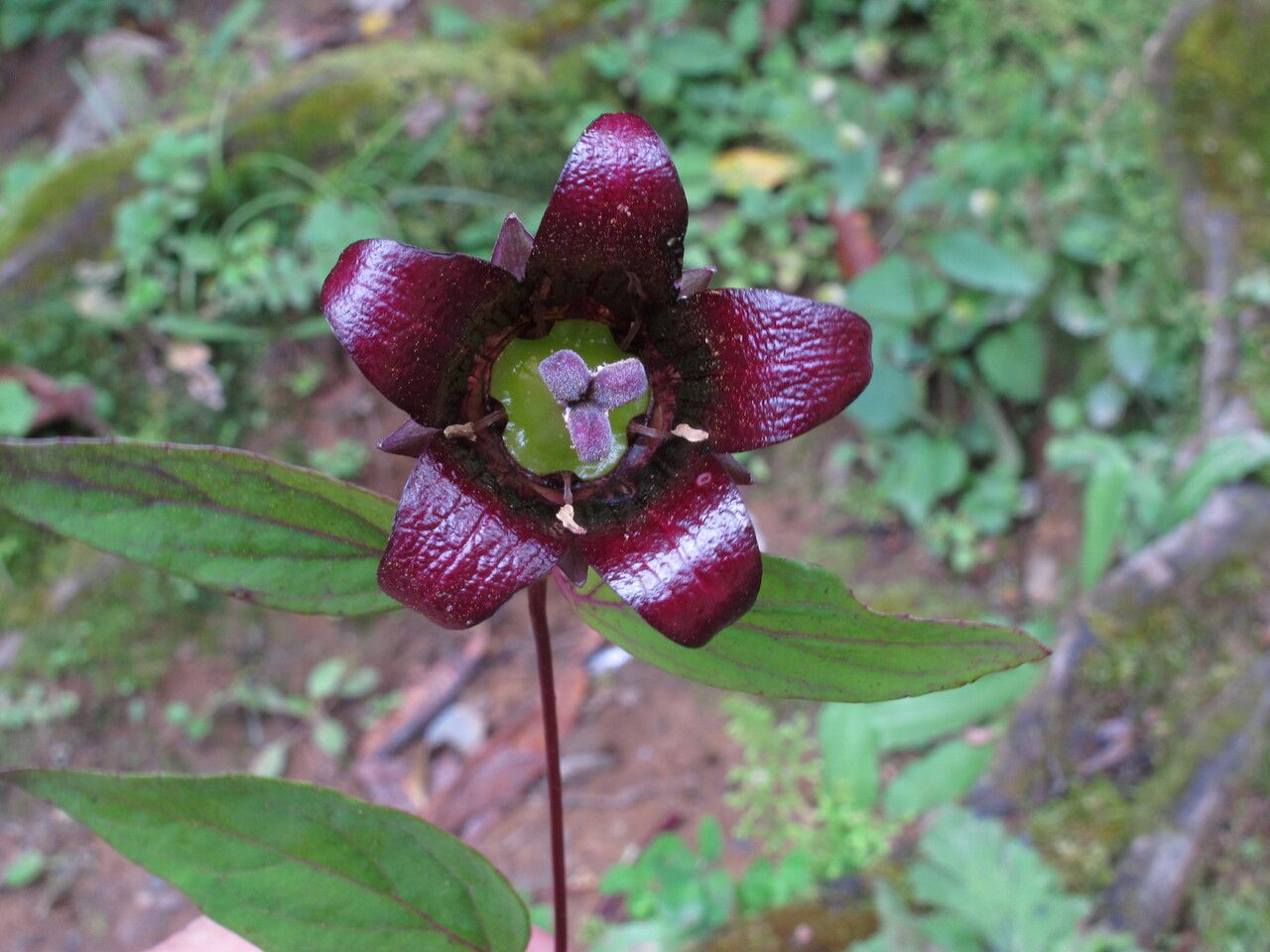
Oh, hello there! Grab a mug, settle in, and let’s chat about a real gem of a plant: the Balloon Flower, or Platycodon purpureus as us plant nerds call it. I’ve spent many years coaxing these beauties into existence, and let me tell you, few things are as satisfying as watching a tiny cutting transform into a full-blown bloom. They’re the most delightful statuesque plants, aren’t they? With those big, cheerful bell-shaped flowers that just shout “garden joy!” The best part? Propagating them isn’t as daunting as you might think. While they can be a little particular, with a few pointers, even beginners can have great success. Let’s get our hands a little dirty, shall we?
The Best Time to Start
When it comes to Balloon Flowers, spring is truly our friend. Aim to take cuttings or divide your plants just as they’re waking up from winter dormancy, or in early summer when they’re in the thick of active growth. This is when they have the most energy to put into developing those precious new roots. Trying to propagate them in the heat of midsummer or the chill of autumn is just asking for a bit of a struggle.
Supplies You’ll Need
Here’s a handy list of what you’ll want to have on hand:
- Sharp Pruning Shears or a Clean Knife: For making those precise cuts. Sterilize them with rubbing alcohol before and after use – it’s a simple habit that prevents disease.
- Rooting Hormone: Not strictly mandatory for Balloon Flowers, but it does give you a nice boost in success rates, especially for stem cuttings. Powder or gel works just fine.
- Well-Draining Potting Mix: A mix of peat moss, perlite, and a little bit of compost is perfect. You want something that doesn’t hold onto too much moisture.
- Small Pots or Trays: Clean ones are a must! Small terra cotta pots or even plastic seed-starting cells work well.
- Watering Can or Spray Bottle: For gently misting your cuttings.
- Optional: Heated Seedling Mat: This can really speed things up, but it’s not essential.
Propagation Methods
Balloon Flowers can be propagated from both stem cuttings and root division. Let’s break them down:
Stem Cuttings
- Take Your Cuttings: In spring or early summer, find a healthy, non-flowering stem. Use your sharp shears to cut a piece about 4-6 inches long, making the cut just below a leaf node (where a leaf attaches to the stem). Remove the lower leaves, leaving only a few at the very top.
- Apply Rooting Hormone (Optional but Recommended): Dip the cut end of the stem into your rooting hormone, tapping off any excess.
- Plant the Cuttings: Fill your small pots with your well-draining potting mix. Make a small hole with your finger or a pencil and gently insert the cutting, ensuring the leaf nodes (where you removed the leaves) are buried in the soil.
- Water Gently: Water the soil thoroughly but gently, so you don’t disturb the cuttings. You can also mist the leaves.
- Provide Humidity: Pop the pots into a plastic bag or cover them with a clear plastic dome to create a humid microclimate. Make sure the leaves aren’t touching the plastic, though! Poke a few holes in the bag for air circulation.
- Find a Bright, Indirect Light Spot: Place your pots in a warm location that receives bright, indirect light. Avoid direct sun, which can scorch those delicate cuttings.
Root Division
This is often the easiest method for Balloon Flowers, especially if you have an established plant.
- Dig Up the Plant: In early spring, when the plant is just emerging, or in the fall after flowering, carefully dig up your established Balloon Flower. Try to disturb the roots as little as possible.
- Clean the Roots: Gently brush away excess soil so you can clearly see the root system.
- Divide the Roots: Look for natural divisions in the root ball. You can often gently pull apart sections. If they are stubborn, use your clean knife or shears to cut through the roots, making sure each new division has at least one healthy bud or shoot and a good portion of roots.
- Replant Immediately: Plant your new divisions into well-prepared soil in the garden or in pots, just as you would a regular plant. Water them in well.
The “Secret Sauce” (Pro Tips)
Here are a few things I’ve learned over the years that seem to make all the difference:
- Don’t let the leaves touch the water in your propagation tray or humidity dome. This is a surefire way to invite rot. If they droop and touch, just trim that leaf off.
- Bottom heat can be a game-changer for stem cuttings. If you have a seedling mat, place your pots on it. It encourages root development from below, which is just what those little cuttings need. It’s like giving them a gentle foot massage!
- When dividing, be ruthless but fair. It might feel a bit harsh to chop up a perfectly good plant, but dividing it gives each section the best chance to thrive. Don’t be afraid to make divisions that seem small; if they have good roots and a bud, they’ll likely take.
Aftercare & Troubleshooting
Once you start seeing roots forming (you can gently tug on a stem cutting to feel for resistance, or look for them peeking out of drainage holes), it’s time for a little extra TLC.
- Introduce Gradually: If your cuttings were under a dome, slowly remove it over a few days to acclimate them to your home’s humidity.
- Watering: Keep the potting mix consistently moist but not soggy. Overwatering is the most common pitfall and can lead to root rot, which you’ll see as the stems turning mushy and black at the base. If you see this, it’s usually too late to save that cutting.
- Transplanting: Once the new plants are robust enough (you’ll see good top growth and a strong root system), you can transplant them into larger pots or their final garden spot.
A Little Patience Goes a Long Way
Propagating plants is a journey, and sometimes it takes a few tries to get it just right. Don’t get discouraged if some cuttings don’t make it. Celebrate the successes, learn from the challenges, and most importantly, enjoy the process of nurturing new life. Happy gardening!
Resource: