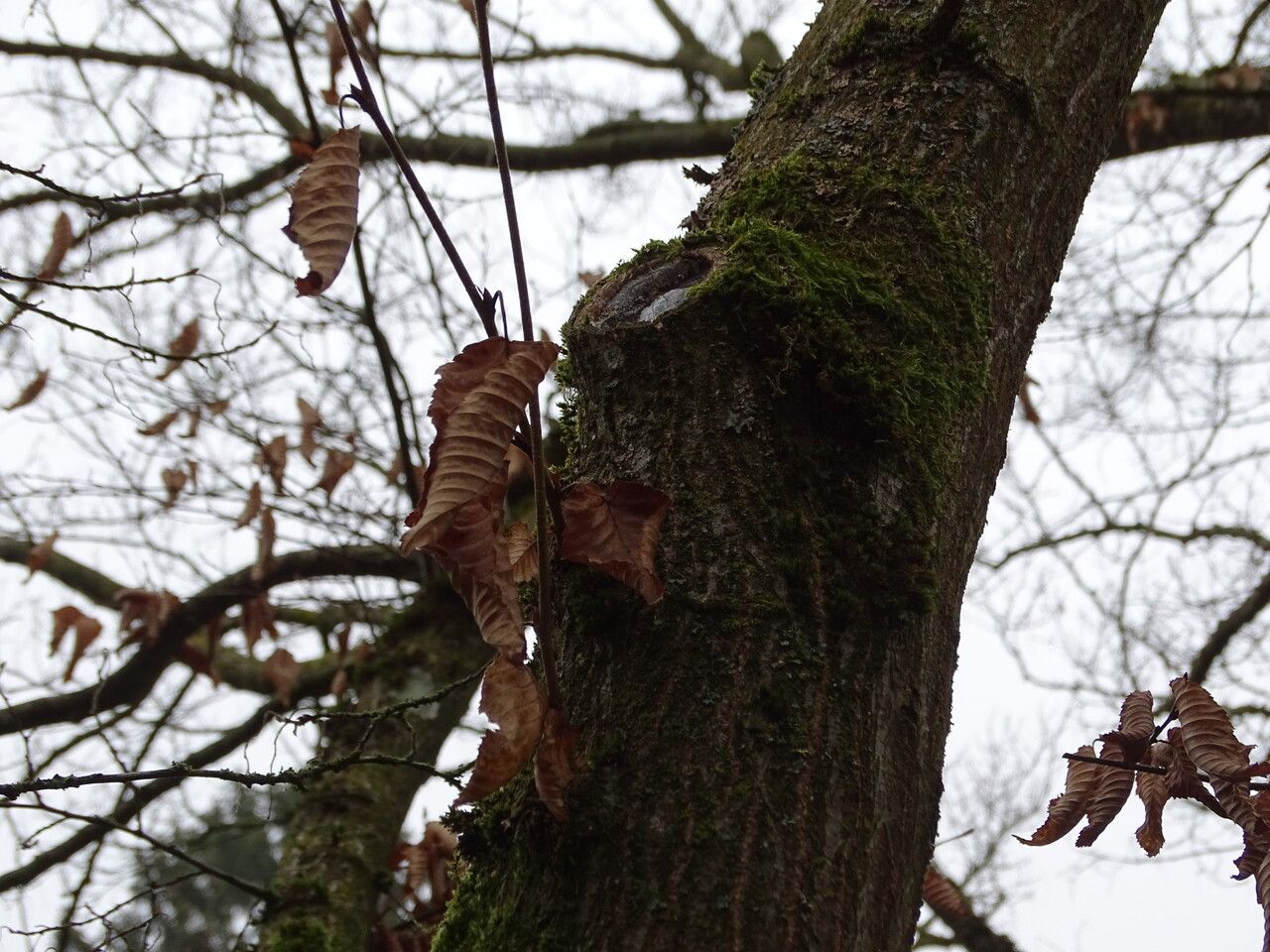
Hello, fellow garden enthusiasts! Today, we’re diving into the wonderful world of propagating Carpinus shensiensis, or the Shaanxi Hornbeam. Many of you know and love these trees for their gracefully layered branches and beautiful bark. They bring such an elegant structure to the landscape, and there’s nothing quite like the satisfaction of growing your own from scratch. If you’re looking for a rewarding project, this is definitely one to consider. Now, I won’t lie, Carpinus shensiensis can be a bit of a discerning plant, so it’s not always the absolute easiest for a complete novice. But with a little patience and the right approach, you can absolutely succeed!
The Best Time to Start
For the highest chance of success, I always find late spring to early summer to be the prime time for propagating Carpinus shensiensis. This is when the plant is actively growing, usually after it has started its new flush of leaves. You’re looking for semi-hardwood cuttings – that’s wood that’s starting to firm up but still has a bit of flexibility. It’s not the brand-new, bright green shoots, nor is it the old, hard wood. Think of it as the “just right” stage.
Supplies You’ll Need
Here’s what I like to have on hand when I’m ready to propagate:
- Sharp Pruning Shears or a Knife: Clean cuts are crucial.
- Rooting Hormone: Look for one with a good concentration of IBA (indole-3-butyric acid).
- A Well-Draining Potting Mix: I usually blend equal parts perlite and peat moss or coco coir. Some gardeners also like to add a touch of coarse sand. The key is excellent drainage.
- Small Pots or Trays: Clean ones are a must to prevent disease.
- Plastic Bags or a Propagator: To create a humid environment.
- Water: For misting and for any water propagation if you choose that route.
- Labels and a Marker: To keep track of what you’ve planted.
Propagation Methods
Carpinus shensiensis is most reliably propagated from stem cuttings. While some sources mention layering, cuttings give you more plants faster!
Stem Cuttings
- Take Your Cuttings: On a cool morning, select healthy, vigorous stems. Look for those semi-hardwood pieces I mentioned earlier. Cut sections about 4-6 inches long, making your cut just below a leaf node (where a leaf attaches to the stem).
- Prepare the Cuttings: Remove the lower leaves, leaving just a couple at the very top. This helps reduce water loss. If the leaves are large, you can even cut them in half horizontally to further minimize transpiration.
- Apply Rooting Hormone: Dip the cut end of each stem into the rooting hormone powder or gel. You want to coat about an inch of the bottom. Tap off any excess.
- Pot Them Up: Fill your clean pots with your well-draining potting mix. Gently insert the prepared cuttings into the mix, about an inch or two deep. Make sure the leaf nodes are buried.
- Water Gently: Water the soil thoroughly but gently, ensuring it’s moist but not soggy.
- Create Humidity: Cover the pots with a plastic bag, creating a mini-greenhouse. You can make little hoops out of wire or use chopsticks to keep the plastic from touching the leaves. Alternatively, place them in a propagator.
- Provide Warmth and Light: Place the pots in a bright spot that doesn’t get direct, hot sun. A bit of warmth from the bottom can also be beneficial – a heat mat is perfect for this if you have one.
Water Propagation (Less Common, but Possible)
While I typically lean towards soil for hornbeams, you can try water propagation for a few stems.
- Prepare Cuttings: Follow steps 1 and 2 above.
- Place in Water: Put the cuttings in a clean jar or vase filled with clean water. Make sure no leaves are submerged below the water line – this is crucial to prevent rot.
- Change Water Regularly: Refresh the water every few days to keep it clean and oxygenated.
- Wait for Roots: This method can take longer to see results, and the roots produced might be more delicate. Once you see significant root growth (at least an inch long), carefully transplant them into your prepared potting mix.
The “Secret Sauce” (Pro Tips)
- My absolute favorite tip is to use bottom heat. This is a game-changer for propagating woody plants like hornbeams. It encourages root development from below while the top stays at a more moderate temperature. A simple seedling heat mat works wonders and makes a huge difference in rooting speed.
- Don’t be afraid to gently tug on your cuttings after a few weeks. If you feel resistance, it means roots are starting to form! It’s a subtle test, but it tells you they’re on their way.
- If you’re taking a lot of cuttings, sterilize your pruning shears between each cut. This prevents the potential spread of any fungal or bacterial issues from one stem to another. A quick wipe with rubbing alcohol does the trick.
Aftercare & Troubleshooting
Once you see signs of new leaf growth, that’s a good indication that roots are forming. You can also very gently try to lift a cutting. If there’s resistance, roots are developing!
- Acclimatize: Gradually remove the plastic covering over a week or two. Start by lifting it for a few hours a day, then longer periods. This helps the new plants get used to normal humidity levels before planting them out.
- Transplant Gently: Once they have a decent root system, carefully transplant them into individual pots or a larger propagating bed with your regular potting mix.
- Watch for Rot: The most common problem you’ll face is rot, which looks like soft, mushy, blackened stems. This is usually due to overly wet conditions and poor air circulation. Make sure your soil drains exceptionally well, and don’t let the pot sit in standing water. If you see rot, there’s not much you can do; it’s best to discard the affected cutting to prevent it from spreading.
- Patience is Key: Some cuttings might take several months to show signs of rooting. Don’t get discouraged!
A Encouraging Closing
Propagating Carpinus shensiensis is a journey, and like all good gardening projects, it requires a dash of patience and a whole lot of enthusiasm. Watching a tiny cutting transform into a sturdy little sapling is incredibly rewarding. So, gather your supplies, find those perfect semi-hardwood stems, and give it a try. Enjoy the process, learn from each attempt, and soon you’ll have beautiful hornbeams to call your own! Happy gardening!
Resource:
https://identify.plantnet.org/k-world-flora/species/Carpinus%20shensiensis%20Hu/data