Hello there, fellow green thumbs!
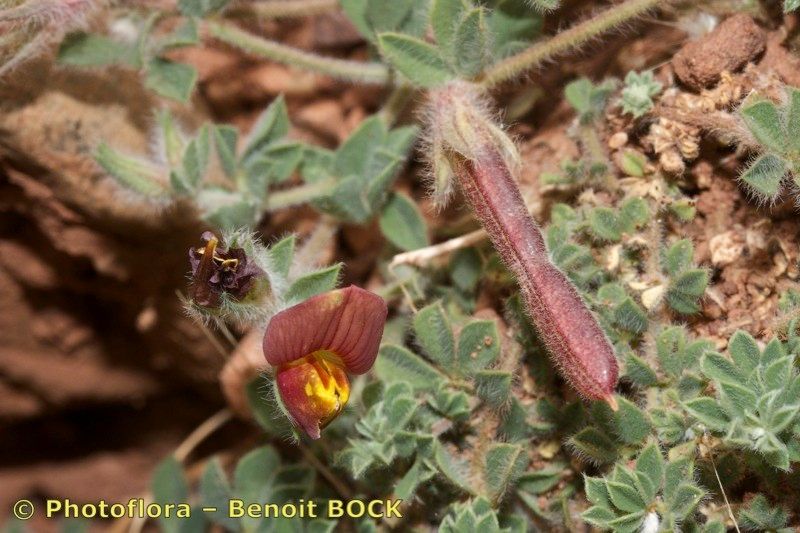
It’s always a joy to talk about plants, and today, we’re diving into the wonderful world of Lotus maroccanus, also known as the Moroccan Lotus. This beauty, with its delicate blooms and intriguing seed pods, brings a touch of the exotic to any garden. And the best part? You can easily create more of these treasures yourself! Propagating Lotus maroccanus is a truly rewarding experience, watching a tiny piece of a plant transform into a thriving new specimen. For beginners, this might be a touch more involved than a spider plant, but with a little guidance and patience, you’ll be well on your way.
The Best Time to Start
The sweet spot for propagating Lotus maroccanus is when the plant is actively growing and full of vigor. Think late spring or early summer. This is when the plant has plenty of energy stored up, making it more receptive to rooting. You’ll find it’s also much easier to identify healthy growth that will give you the best chance of success.
Supplies You’ll Need
Gathering your supplies beforehand makes the whole process smoother. Here’s what I usually have on hand:
- Sharp, clean pruning shears or a sharp knife: For making clean cuts.
- Rooting hormone (optional but helpful): Especially for stem cuttings.
- Well-draining potting mix: A good quality seed starting mix or a blend of peat moss and perlite works great. For water propagation, just clean, fresh water!
- Small pots or containers: For stem cuttings.
- Watering can or spray bottle: For gentle watering.
- Labels: So you don’t forget what you planted where!
- A tray or saucer: To catch excess water.
- A clear plastic bag or cloche: To create a humid environment for cuttings.
- A warm location: Like a sunny windowsill or a heated propagator.
Propagation Methods
There are a few ways to coax new Lotus maroccanus plants into existence. I tend to find success with these two:
1. Stem Cuttings
This is a fantastic way to get a new plant that’s genetically identical to the parent.
- Find a healthy stem: Look for a vigorous, non-flowering stem that’s about 4-6 inches long.
- Make a clean cut: Using your sharp shears, cut just below a leaf node (where a leaf joins the stem). Aim for a cutting with at least two or three leaf nodes.
- Remove lower leaves: Gently strip off the leaves from the bottom half of the cutting. If the remaining leaves are very large, you can cut them in half horizontally to reduce water loss.
- Apply rooting hormone (optional): Dip the cut end into rooting hormone powder, tapping off any excess.
- Prepare your pot: Fill a small pot with your well-draining potting mix. Moisten it lightly.
- Plant the cutting: Make a small hole in the soil with your finger or a pencil and insert the cut end of your stem cutting. Firm the soil gently around it.
- Create humidity: Water the soil gently and then cover the pot with a clear plastic bag or a cloche. This creates a mini-greenhouse effect.
- Place in bright, indirect light: Find a spot where the new cutting will receive plenty of light but not direct, hot sun. Keep the soil consistently moist but not soggy.
2. Water Propagation
This method is super satisfying because you can watch the roots develop!
- Select and cut your stem: Just like with stem cuttings, choose a healthy stem, about 4-6 inches long, and cut it below a leaf node. Remove the lower leaves.
- Place in water: Find a clean glass or jar and fill it with fresh water. Nest the cutting in the water so that at least one leaf node is submerged.
- Keep it clean: Change the water every few days to prevent stagnation and bacteria buildup.
- Provide bright, indirect light: Just like with soil cuttings, a sunny windowsill is ideal.
The “Secret Sauce” (Pro Tips)
Here are a few little tricks I’ve learned over the years that often make a big difference:
- Cleanliness is king! Always sterilize your pruning shears or knife before making any cuts. This prevents diseases from being transmitted to your cuttings. A quick wipe with rubbing alcohol will do the trick.
- Don’t let the leaves touch the water when water propagating. If those leaves are submerged, they’re more likely to rot, and that can kill your cutting before it even gets a chance to root. Trim them off if they’re too long.
- Bottom heat is your friend! For stem cuttings, placing the pots on a heated propagator mat or on top of a warm appliance (like a gently running refrigerator) can significantly speed up root formation. It mimics the warmth of the soil in a tropical climate.
Aftercare & Troubleshooting
Once you see little white roots emerging, congratulations! You’re on your way to a new plant.
- For water-propagated cuttings: Once the roots are about an inch long, you can carefully transplant them into a small pot filled with your well-draining potting mix. Keep the soil consistently moist for the first couple of weeks.
- For soil-propagated cuttings: You’ll know they’re ready when you feel a gentle resistance when tugging lightly on the stem, or when new growth appears. Continue to keep the soil moist and the humidity high for a bit longer. Gradually introduce them to open air to acclimate.
Now, what if things go wrong? The most common culprit is rot. If your cutting turns mushy, black, or smells foul, it’s likely suffering from too much moisture or a bacterial infection. If you catch it early, you might be able to salvage a healthy section and try again. Ensure your soil is draining well and that you’re not overwatering. Sometimes, propagation just doesn’t work out, and that’s okay! It’s all part of the learning curve.
A Encouraging Closing
Propagating Lotus maroccanus is a journey of patience and observation. Don’t be discouraged if your first attempt isn’t a runaway success. Each cutting is a learning opportunity. Celebrate the little victories, learn from the challenges, and most importantly, enjoy the process. Happy propagating!
Resource:
https://identify.plantnet.org/k-world-flora/species/Lotus%20maroccanus%20Ball/data