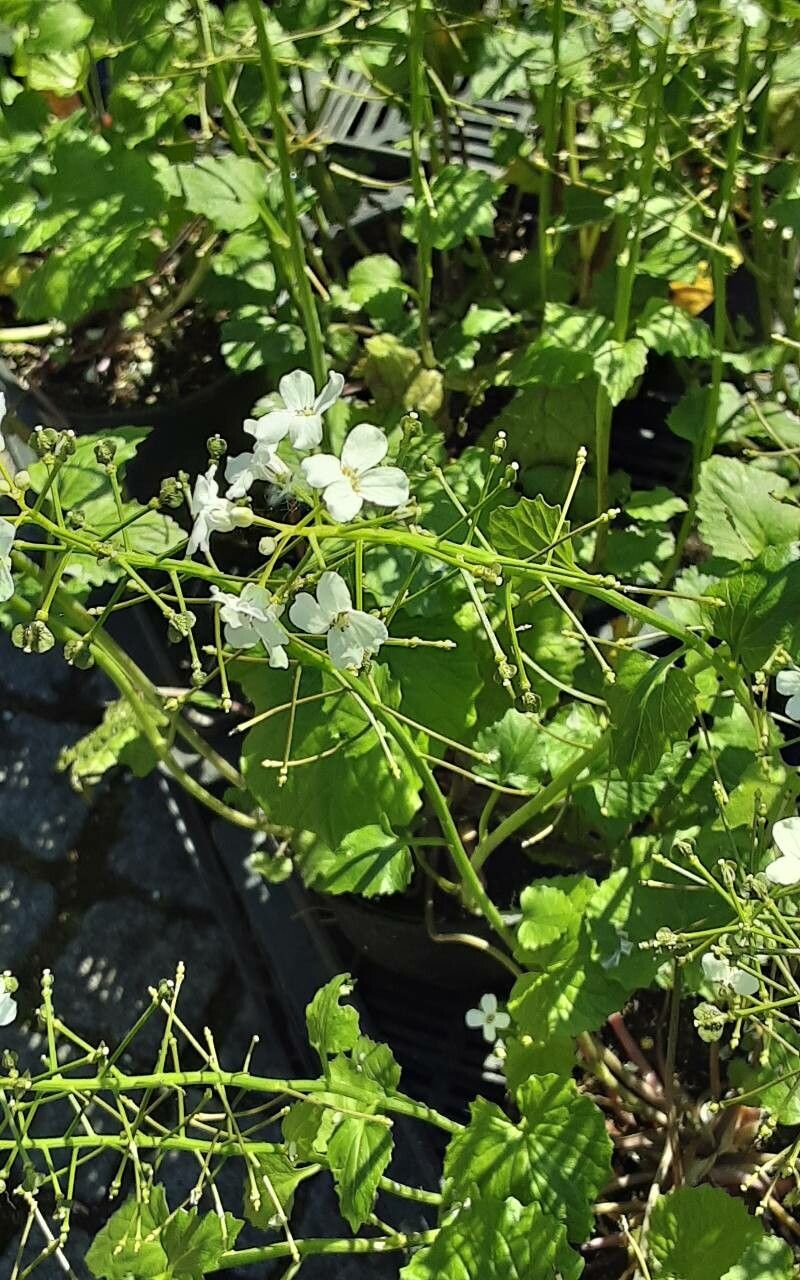
Oh, hello there! You’ve stumbled upon my little corner of the web, and I’m so happy you’re here. Today, we’re going to talk about a plant that brings me immense joy every spring: Pachyphragma macrophyllum. Isn’t it just a gem? Its delicate, white, star-shaped flowers carpet the ground with such grace, often just as the last frost is giving up its grip. And the foliage! It’s beautifully textured, looking good even when it’s not in bloom.
If you’ve fallen for this woodland wonder, you’re in luck! Propagating Pachyphragma macrophyllum is a fantastic way to multiply your enjoyment and share its beauty with friends. For the most part, I find this plant to be quite forgiving, making it a wonderful choice for beginners looking to expand their propagation skills. It’s a truly rewarding process, watching a tiny cutting or division transform into a thriving new plant.
The Best Time to Start
For Pachyphragma macrophyllum, my go-to season for propagation is undoubtedly late spring to early summer. This is when the plant is actively growing and has plenty of energy to put into developing new roots. You’ll see new shoots emerging, and that’s our cue! Alternatively, if you’re dividing an existing clump, early spring, just as the first signs of growth appear, is also an excellent time. The soil is waking up, and the plant is ready to burst forth.
Supplies You’ll Need
Don’t worry, you won’t need a whole lot of fancy equipment. Here’s what I keep handy:
- A sharp, clean pair of pruning shears or a sharp knife. Sterility is key to preventing disease.
- Small pots or seed trays with drainage holes.
- A well-draining potting mix. I usually use a blend of equal parts peat moss or coco coir, perlite, and a bit of compost. You can also buy or make a specific seedling mix.
- Optional: Rooting hormone. While Pachyphragma can root without it, a little dip can give your cuttings a nice boost.
- Optional: A plastic bag or clear dome to create a mini-greenhouse.
- Watering can or spray bottle for gentle watering.
Propagation Methods
Pachyphragma macrophyllum is most easily propagated through division or stem cuttings. Let’s dive into how I tackle each one.
Division
This is my favorite method for Pachyphragma, especially when a mature plant starts to look a bit crowded.
- Gently excavate: Carefully dig around the base of your mature plant. I like to use a trowel and loosen the soil, then gently lift the entire root ball. Don’t be too rough!
- Inspect the roots: Brush away some of the excess soil to get a clear view of the root system and any natural divisions. You’re looking for sections that have their own roots and at least a few shoots.
- Divide and conquer: With clean hands or a trowel, carefully pull apart the root ball into smaller sections. If the roots are really tangled, a sharp, clean knife can help. Aim for sections that are substantial enough to survive on their own.
- Replant immediately: Pot up your new divisions into their own containers with your prepared potting mix. Make sure they are planted at the same depth they were growing previously.
Stem Cuttings
This method is great for creating more plants from a single specimen, especially after pruning.
- Take cuttings: In late spring or early summer, look for healthy, non-flowering stems. Using your sharp shears, take cuttings that are about 3-4 inches long, making a clean cut just below a leaf node (where a leaf attaches to the stem).
- Prepare the cuttings: Gently remove the lower leaves from the bottom half of the cutting. If you’re using rooting hormone, dip the cut end into it now.
- Planting: Fill your small pots with your moistened potting mix. Make a small hole with your finger or a pencil and insert the cut end of the stem, ensuring the nodes where you removed the leaves are buried. Firm the soil gently around the base.
- Create humidity: Water gently to settle the soil. Then, cover the pot with a plastic bag or clear dome to maintain high humidity, which is crucial for cuttings to root. You can loosely secure the bag with a rubber band.
The “Secret Sauce” (Pro Tips)
Here are a few little tricks I’ve picked up over the years that seem to make all the difference:
- Don’t let the leaves touch the potting mix: For stem cuttings, it’s vital that the leaves resting on the soil surface are removed. This prevents them from rotting before the roots can form. Always keep them above the soil line!
- Bottom heat is your friend: This is especially helpful for stem cuttings during cooler periods. Placing your pots on a gentle heat mat can significantly speed up root development. It mimics that lovely spring warmth underground. Just a mild warmth, nothing too hot!
Aftercare & Troubleshooting
Once your Pachyphragma divisions or cuttings are planted, the care is fairly straightforward.
- Keep them moist, but not soggy: The key is consistent moisture. Mist or water gently whenever the top layer of soil starts to feel dry. Avoid letting them dry out completely, but also don’t let them sit in waterlogged conditions.
- Bright, indirect light: Place your new plants in a spot that receives bright, indirect light. Direct, harsh sun can scorch delicate new growth.
- Patience is paramount: Roots can take anywhere from a few weeks to a couple of months to develop, especially with cuttings. Gently tug on a cutting; if you feel resistance, you likely have roots!
- Watch out for rot: The most common issue you might encounter is rot, especially if they’re too wet or not getting enough air circulation. Mushy stems or leaves are a sign. If you see this, remove the affected parts immediately and try to improve drainage and air flow. Sometimes, it’s just a sign that conditions aren’t quite right, and you may need to start again.
A Little Encouragement to Close
Propagating plants is a bit like gardening itself – it’s a journey filled with learning and rewarding moments. Don’t be discouraged if your first attempt isn’t a roaring success. Every gardener has had their share of failures! Just keep at it, pay attention to what your plants are telling you, and most importantly, enjoy the process of nurturing new life. You’ve got this!
Resource: