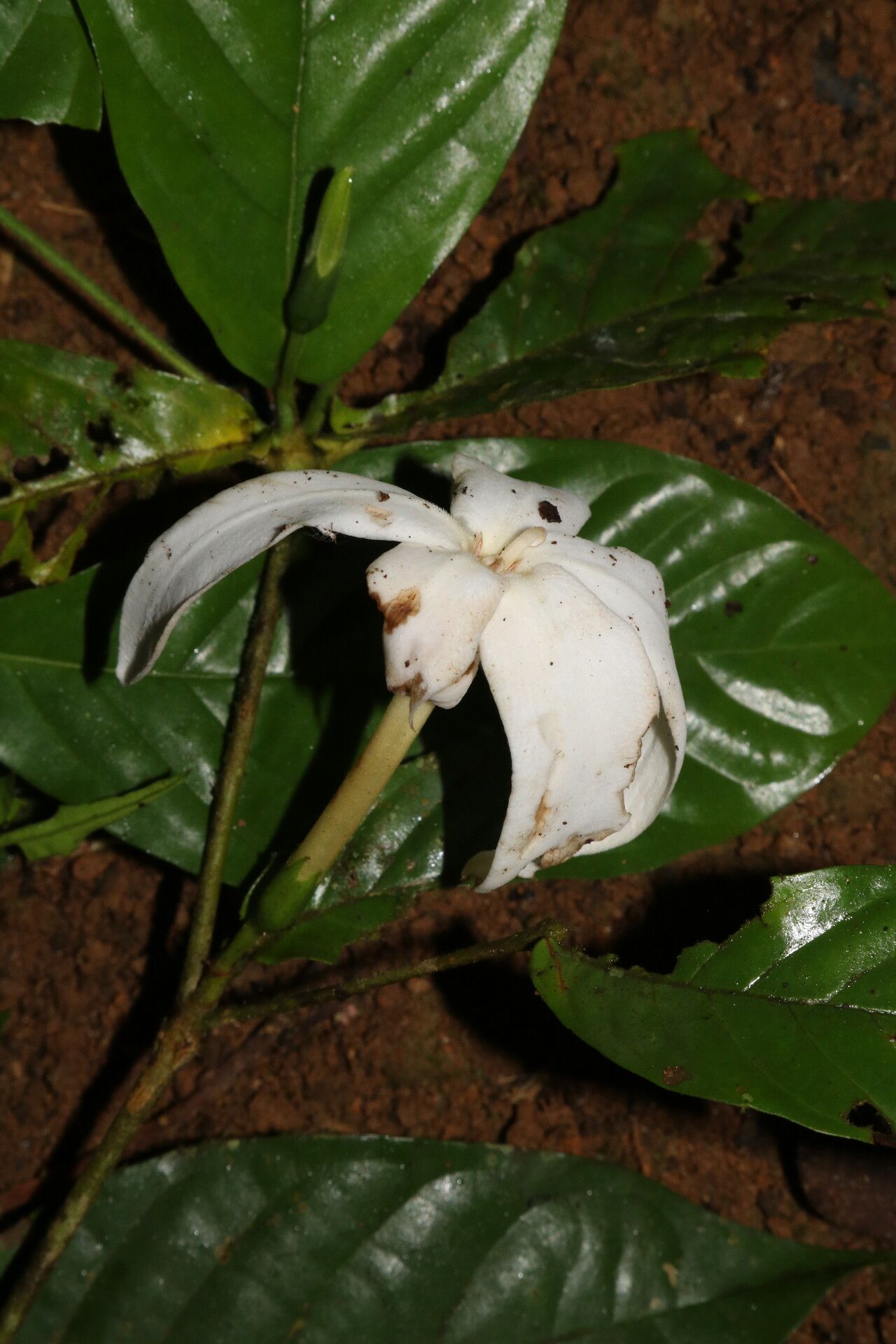
Oh hello there, fellow garden enthusiasts! I’m so thrilled you’re joining me today to chat about a truly special plant: Aulacocalyx caudata. If you’re looking for something with a bit of flair, a plant that whispers elegance with its unique foliage, then this is definitely one to consider. Its wonderfully textured leaves and often stunning flower displays make it a real standout. And the best part? Propagating it, while it has its nuances, is a deeply rewarding journey. For those just dipping their toes into plant propagation, I’d say Aulacocalyx caudata sits somewhere between beginner-friendly and requiring a little bit of attentive care. But don’t let that deter you; we’ll get through it together!
The Best Time to Start
Honestly, for Aulacocalyx caudata, spring and early summer are your golden windows. This is when the plant is actively growing, sending out fresh shoots that are just begging to be taken. They have more energy to dedicate to rooting, which means a higher chance of success for you. Trying to propagate from dormant wood is a much trickier proposition, so let’s stick to those vibrant, new growth periods.
Supplies You’ll Need
Here’s a little gathering of what you’ll want to have on hand:
- Sharp Pruning Shears or a Clean Knife: For making clean cuts.
- Rooting Hormone: A powder or gel can really give your cuttings a boost.
- Well-Draining Potting Mix: A good starting point is a mix of peat moss or coco coir, perlite, and a bit of regular potting soil. About a 1:1:1 ratio works wonderfully.
- Small Pots or Seed Trays: Whatever you have available that can hold your cuttings.
- Plastic Bags or a Propagator: To create a humid environment.
- Watering Can with a Fine Rose: For gentle watering.
- Labels and a Marker: To keep track of what’s what!
Propagation Methods
We’ll focus on the most reliable way to get more Aulacocalyx caudata going: stem cuttings.
-
Take Your Cuttings: When you see those lovely new shoots, look for stems that are about 4-6 inches long. Use your clean shears or knife to make a cut just below a leaf node. A leaf node is that little bump where a leaf joins the stem. The magic for rooting happens there! Remove the lower leaves, leaving just a couple at the very top so the plant can photosynthesize.
-
Prepare for Rooting: Dip the cut end of your stem into your rooting hormone, tapping off any excess. This is like giving your cutting a little superhero cape.
-
Plant Them Up: Fill your small pots or trays with your prepared well-draining mix. Make a little hole with your finger or a pencil, and then gently insert the prepared cutting into the soil. Firm the soil gently around the base to ensure good contact.
-
Create a Humid Haven: Water the soil thoroughly but gently. Then, cover the pots with a plastic bag or place them in a propagator. This traps humidity, which is absolutely crucial for cuttings that don’t have roots yet to absorb water. You can prop the bag up with a few small stakes if needed so it doesn’t touch the leaves.
The “Secret Sauce” (Pro Tips)
Now, for a few little tricks that have stood me in good stead over the years:
- Think About Where You Cut: I often find that cuttings taken from the tip of a new shoot root a bit more readily than those taken from further down the stem. It’s subtle, but it can make a difference.
- Bottom Heat is Your Friend: If you can, pop your propagator or pots onto a gentle heat mat. This warmth from below encourages root development much faster. Think of it like a warm blanket for your little plant babies.
- Don’t Overwater, But Don’t Let Them Dry Out: This is a delicate balance. You want the soil to be consistently moist, but never soggy. Soggy soil is the quickest route to rot. Check the moisture level by gently poking your finger into the soil.
Aftercare & Troubleshooting
Once your cuttings have been planted, keep them in a bright spot that’s out of direct, harsh sunlight. The humidity tent will do its job for a few weeks. You can gently lift the plastic bag briefly every few days to allow for some air circulation.
You’ll know your cutting has started to root when you see new leaf growth, or when you gently tug on the stem and feel a bit of resistance. This is your sign that roots have formed! Once you see this, you can gradually introduce it to normal conditions by slowly opening up the humidity tent over a week or so. Water it as you would a mature plant.
The most common issue you might encounter is rot. If you see your cutting looking mushy, or the leaves turning black and wilting despite being in a humid environment, it’s likely due to too much moisture. Unfortunately, there’s usually not much to be done at that point. Just learn from it and try again, perhaps with a bit less water or better draining soil next time.
A Encouraging Closing
Propagating plants is a bit like a gentle dance with nature. There will be successes, and sometimes there will be setbacks, but that’s all part of the learning process. Be patient with your Aulacocalyx caudata cuttings. Watch them closely, enjoy seeing that first glimmer of new growth, and celebrate each little victory. Happy propagating, and may your gardens (and your propagation station!) be ever bountiful!
Resource:
https://identify.plantnet.org/k-world-flora/species/Aulacocalyx%20caudata%20(Hiern)%20Keay/data