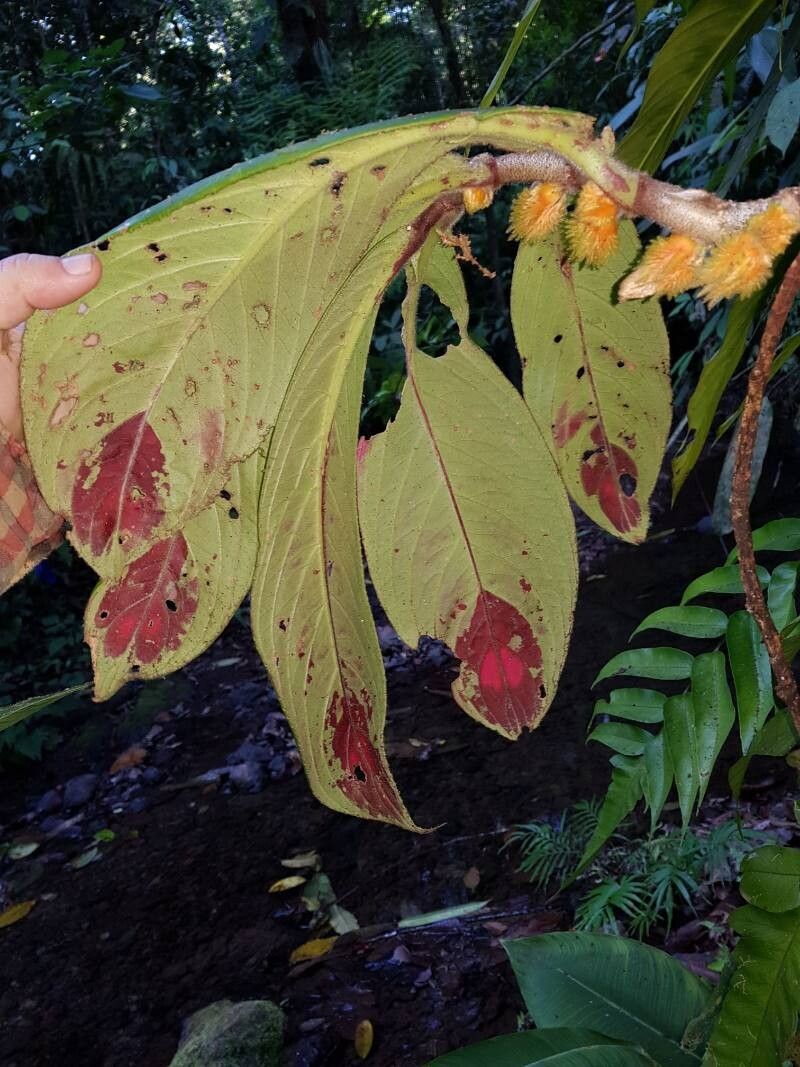
Hey there, fellow plant lovers! It’s so good to connect with you all again. Today, I want to talk about a plant that always brightens my day, and hopefully yours too: the Columnea florida, often called the “Goldfish Plant.” With its vibrant, arching stems draped in cheerful, tube-shaped flowers that truly resemble little goldfish, it’s a showstopper in any hanging basket or shelf garden.
Now, if you’ve ever admired a lush Columnea and thought, “I wish I had more of those!”, you’re in luck. Propagating them is incredibly rewarding, and honestly, it’s not as daunting as you might think. For those starting out, I’d say Columnea is moderately easy. It’s more about getting the conditions just right than fighting a stubborn plant. Let’s dive in!
The Best Time to Start
My absolute favorite time to take cuttings is in the late spring or early summer. This is when the plant is actively growing and bursting with energy. It’s like giving your plant a fresh start when it’s already feeling good. You’ll find the stems are pliable and quick to root during this vibrant season. Avoid trying to propagate when the plant is dormant in winter; you’ll likely find less success.
Supplies You’ll Need
Gathering your supplies beforehand makes the process so much smoother. Here’s what I always have on hand:
- Sharp Pruning Shears or a Clean Knife: For making clean cuts.
- A Good Potting Mix: I like a well-draining mix made of equal parts peat moss, perlite, and orchid bark. This gives the roots plenty of air and prevents sogginess.
- Small Pots or Seedling Trays: Clean pots are key to preventing disease.
- Rooting Hormone (Optional but Recommended): This little powder or gel can significantly speed up root development. I find the powdered kind easy to use.
- Clear Plastic Bags or a Humidity Dome: To create a humid environment, which is crucial for cuttings.
- Watering Can with a Fine Rose: For gentle watering.
Propagation Methods: Stem Cuttings
This is by far my go-to method for Columnea florida. It’s efficient and gives you more new plants than you can shake a watering can at!
- Select Your Stem: Look for healthy, vigorous stems on your established Columnea. You want stems that are actively growing but not too woody. About 4-6 inches long is ideal.
- Make the Cut: Using your clean shears or knife, make a clean, angled cut just below a leaf node (where a leaf attaches to the stem). This is where the magic happens, as roots are more likely to emerge.
- Prepare the Cutting: Gently remove the lower leaves from the stem, leaving just the top 2-3 leaves. If the remaining leaves are very large, you can even snip them in half to reduce water loss.
- Apply Rooting Hormone (If Using): Dip the cut end of the stem into the rooting hormone, tapping off any excess.
- Potting Up: Fill your small pots with your prepared potting mix. Gently insert the cutting into the soil, making sure the nodes where you removed the leaves are buried. Firm the soil around the stem.
- Water Gently: Water the soil thoroughly but make sure it drains well. You don’t want standing water.
- Create Humidity: Now for the crucial step: cover the pot with a clear plastic bag, sealing it loosely with a rubber band, or place it under a humidity dome. Make sure the leaves don’t touch the plastic if possible. Place the pot in a bright spot with indirect light.
The “Secret Sauce” (Pro Tips)
Here are a few things I’ve learned over the years that really make a difference:
- Don’t Drown Your Cuttings: Even though they need humidity, it’s easy to overwater them. Check the soil’s moisture regularly with your finger. If the top inch feels dry, give it a light watering. Soggy soil is a fast track to rot.
- Bottom Heat is Your Friend: If you have an old heating mat that you used for seedlings, its gentle warmth can supercharge root development! Placing your pots on a gentle heat source can really encourage those roots to form faster. Just a slight warmth is all it needs.
- Patience with the Leaves: If you’re doing water propagation (which can work for Columnea, though I prefer soil), always, always make sure the leaves are not submerged in the water. Only the stem should be in contact with the water. Anything above the waterline is perfect.
Aftercare & Troubleshooting
Once you start seeing signs of new growth, or feel gentle resistance when you tug lightly on the cutting, you know roots have formed!
- Acclimatize: Gradually remove the plastic bag or dome over a few days to let the new plant adjust to the normal humidity of your home.
- Watering: Continue to water when the top inch of soil feels dry. Your new plant will still be a bit delicate.
- Light: Keep it in bright, indirect light.
- Troubleshooting Rot: The most common issue is stem rot, which looks like a mushy, dark stem. This is almost always due to too much moisture and not enough air circulation. If you see this, you might have to toss the cutting and try again with drier soil and better air flow from the start. Another sign is wilting that doesn’t perk up after watering, indicating the roots aren’t taking up water (often from rot or poor rooting).
A Little Encouragement
Propagating plants is such a wonderful way to connect with nature and expand your green collection. Be patient with your Columnea cuttings. Some will take off quickly, while others might be a little slower to show their progress. Just keep them in the right environment, and you’ll be rewarded with beautiful new plants to admire and share. Happy propagating!
Resource:
https://identify.plantnet.org/k-world-flora/species/Columnea%20florida%20C.V.Morton/data