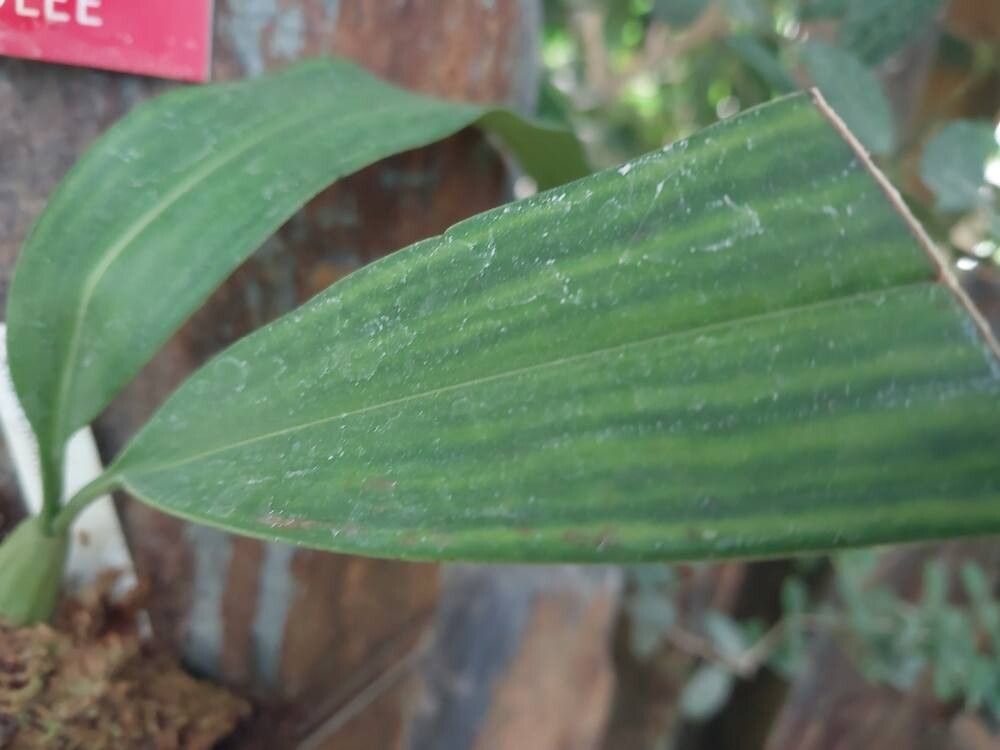
Hello, fellow plant enthusiasts! Today, we’re diving into the wonderful world of Coelogyne gardneriana. If you’ve ever admired its elegant, cascading blooms and subtly fragrant flowers, you’re not alone. Propagating this orchid can feel like unlocking a little piece of horticultural magic, and I promise, it’s a rewarding journey. For those dipping their toes into orchid propagation for the first time, Coelogyne gardneriana is a friendly choice. It’s not overly fussy, which is always a good sign for beginners!
The Best Time to Start
The sweet spot for propagating Coelogyne gardneriana is after it has finished flowering. You’ll typically see new pseudobulbs and leaf growth starting to emerge around late spring to mid-summer. This is when the plant is actively growing and has plenty of energy to dedicate to new roots and shoots. Trying to propagate when it’s dormant or in full bloom can be a bit of a gamble.
Supplies You’ll Need
Here’s what you’ll want to have on hand before you get started:
- Sharp, sterile pruning shears or a clean knife: For making precise cuts. Sterilize them with rubbing alcohol between cuts.
- Orchid potting mix: A very airy, well-draining mix is crucial. I usually recommend a blend of bark, perlite, and charcoal.
- New pots or containers: Clean, appropriate-sized pots for your divisions.
- Optional: Rooting hormone: While not strictly necessary for Coelogyne gardneriana, it can give a little boost.
- Water: Clean, room-temperature water.
- Labels and a marker: To keep track of your new plants!
Propagation Methods: Division is Key
For Coelogyne gardneriana, the most successful and straightforward method is division. This is essentially separating a mature plant into smaller, viable sections.
Here’s how we do it:
- Gently remove the plant from its pot. If it’s very root-bound, you might need to carefully cut away the pot.
- Inspect the root system. Look for natural break points where a new growth (a pseudobulb with its own roots) is attached to the main plant. The goal is to get divisions with at least two to three healthy pseudobulbs and a good portion of root mass.
- Using your sterile shears or knife, carefully cut away the division. Try to disturb the roots as little as possible. If there are older, leafless pseudobulbs without roots, you can still try to use them, but they’ll be slower to establish.
- If you’re using rooting hormone, gently dip the cut surface or the base of the division into it. Tap off any excess.
- Pot up your division. Place it in its new pot with fresh orchid mix. The base of the pseudobulbs should be slightly above the surface of the mix, not buried too deep.
The “Secret Sauce” (Pro Tips)
Here are a couple of things I’ve learned over the years that can really make a difference:
- Don’t overwater new divisions. This is probably the biggest mistake people make. New divisions don’t have a robust root system yet, so they can’t take up much water. Keep the potting mix slightly moist, not soggy. Check the roots – they should look creamy white or slightly firm, not mushy.
- Provide gentle bottom heat if you can. This is particularly helpful if your home is a bit cooler. A seedling mat or even placing the pot on top of a warm appliance (not too hot!) can encourage root development. It mimics the warmth that would naturally be found at the base of a plant.
Aftercare & Troubleshooting
Once your division is potted, place it in a spot with bright, indirect light. Avoid direct sun, which can scorch delicate new growth.
Watering is critical: water only when the potting mix is starting to dry out. You can gently mist the leaves occasionally, but try to avoid water sitting in the crown of the pseudobulbs, as this can lead to rot.
Watch for signs of root rot. This is usually indicated by mushy, black roots rather than firm, white or greenish ones. If you see this, you may need to repot the division, remove the rotted parts, and adjust your watering schedule. It can be heartbreaking, but it’s part of the learning curve! Sometimes, a division might just take its time. Patience is key; it can take several months for roots to become well-established.
So there you have it! Propagating Coelogyne gardneriana is a delightful way to expand your orchid collection. Don’t be discouraged if your first attempt isn’t perfect. Every plant, and every gardener, has a learning journey. Enjoy the process, and soon you’ll have even more of these beautiful blooms to admire! Happy growing!
Resource:
https://identify.plantnet.org/k-world-flora/species/Coelogyne%20gardneriana%20Lindl./data