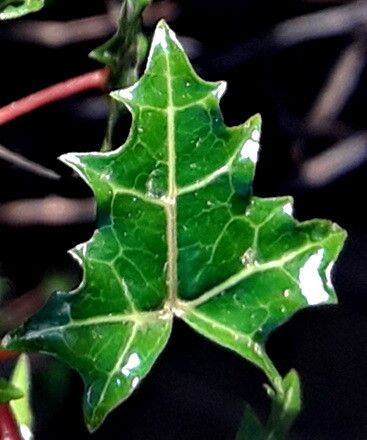
Oh, hello there! Pull up a chair and let’s chat about one of my absolute favorite plants: Vasconcellea chilensis. You might know it by its common name, the Chilean papayo, or even just a type of mountain pawpaw. This plant is just delightful with its lush, tropical-looking foliage and, if you’re lucky, a delightful little fruit that has a subtly sweet flavor. Growing it from scratch is incredibly rewarding, and frankly, a bit of a magic trick. Now, for beginners, I’d say it’s moderately challenging. It’s not as simple as sticking a geranium cutting in water, but with a little care and attention, you’ll be amazed at what you can achieve!
The Best Time to Start
For the highest success rate with Vasconcellea chilensis, I always recommend starting in late spring or early summer. This is when the plant is in its most vigorous growth phase. You’ll want to take cuttings from healthy, actively growing stems. Avoid anything that looks woody or overly mature. Think of it as taking a piece of the plant when it’s feeling its best and most energetic.
Supplies You’ll Need
Gathering your supplies beforehand makes the whole process much smoother. Here’s what I always have on hand:
- Sharp, clean pruning shears or a sharp knife: So important for making clean cuts to prevent disease.
- Rooting hormone powder or gel: This is a game-changer. It significantly boosts your chances of root development.
- A well-draining potting mix: I like to use a blend of perlite and peat moss, or you can buy a good quality seed-starting mix. About a 50/50 ratio works wonders.
- Small pots or trays with drainage holes: Clean them well before you start.
- A clear plastic bag or a propagation dome: This helps create a humid environment around your cuttings.
- Water: Of course!
- Optional for advanced propagation: A heat mat can be a real boost.
Propagation Methods
Let’s get our hands dirty! The most reliable method for Vasconcellea chilensis is stem cuttings.
- Select Your Stems: Look for healthy, non-flowering shoots on your established plant. You want pieces that are about 4-6 inches long.
- Make the Cut: Using your sharp shears or knife, make a clean cut just below a leaf node. A leaf node is that little bump where a leaf grows from the stem. This is where the magic of root formation often happens.
- Prepare the Cutting: Gently remove the lower leaves from the cutting. You want to expose at least one or two leaf nodes. If the remaining leaves are very large, you can carefully snip them in half to reduce water loss through transpiration.
- Apply Rooting Hormone: Dip the cut end of the stem into your rooting hormone. Tap off any excess. Some people prefer to use a gel, which adheres well.
- Plant the Cutting: Fill your small pots with your well-draining potting mix. Make a small hole in the center with your finger or a pencil. Gently insert the cut end of the stem into the hole, making sure at least one leaf node is below the soil surface. Firm the soil gently around the stem.
- Water Gently: Water the soil lightly. You want it to be moist but not soggy.
The “Secret Sauce” (Pro Tips)
Here are a few things I’ve learned over the years that can really make a difference:
- Bottom Heat is Your Friend: If you have a heat mat, place your pots on it. Warm soil encourages root growth much faster than cool soil. Your Vasconcellea cuttings will thank you for that cozy warmth, especially if your propagation space isn’t naturally warm.
- Don’t Stifle Them, But Keep Them Humid: Once planted, I like to cover the pots with a clear plastic bag, propping it up with stakes so it doesn’t touch the leaves. This creates a mini-greenhouse effect, keeping humidity high, which is crucial for cuttings to root. However, you don’t want them to be completely suffocated. I’ll often poke a few small holes in the bag once a day or so to allow for some air circulation. And never let the leaves sit in condensed water inside the bag – that’s a fast track to rot.
Aftercare & Troubleshooting
Once you’ve planted your cuttings, the waiting game begins! Keep the soil consistently moist but never waterlogged. Place the pots in a bright location with indirect sunlight. Direct sun will scorch those tender cuttings.
You’ll know your cutting has rooted when you see new leaf growth. This can take anywhere from 4 to 12 weeks, so patience is key. Gently tugging on the cutting – if there’s resistance, roots are forming!
The most common problem is root rot. This usually happens when the soil is too wet and there’s not enough airflow. If you see mushy, black stems or wilting that doesn’t improve after watering, it’s likely rot. Unfortunately, at that point, it’s hard to save. Prevention is much easier – ensure good drainage and don’t overwater. Yellowing leaves can sometimes indicate too much or too little water, or insufficient light. Just observe your cuttings carefully.
A Encouraging Closing
Propagating Vasconcellea chilensis is a journey. There might be a few tries before you get a strong, rooty success. But each attempt teaches you something new. Enjoy the process of nurturing these new plants, and soon you’ll have a little tropical paradise blooming right in your own home! Happy propagating!
Resource:
https://identify.plantnet.org/k-world-flora/species/Vasconcellea%20chilensis%20Planch./data