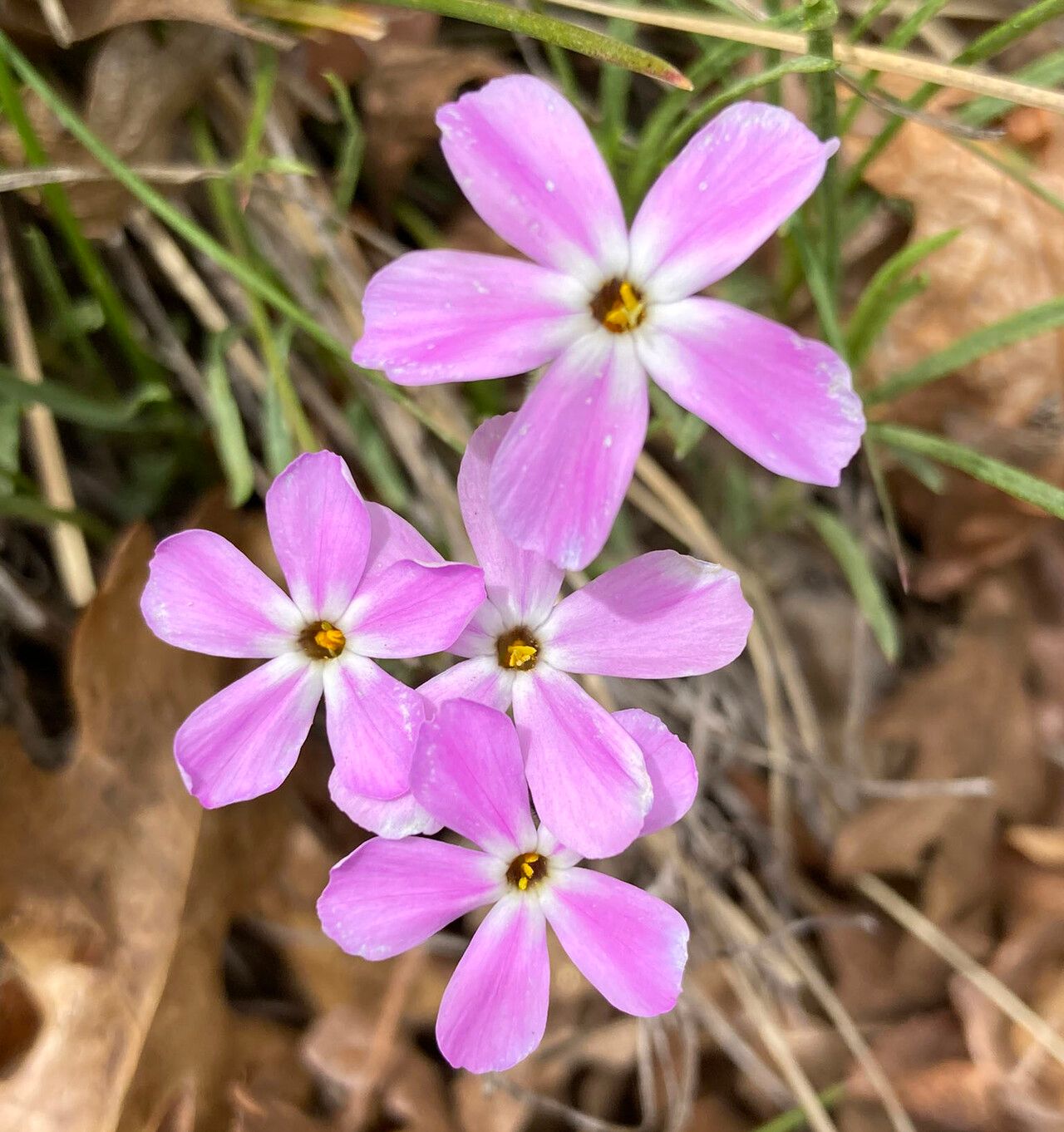
Oh, hello there, fellow plant lover! Let’s talk about one of my absolute favorites: Phlox longifolia, or Longleaf Phlox. If you’re looking for a native beauty that buzzes with pollinators and offers lovely blooms without demanding too much fuss, you’ve found it. And guess what? Propagating it is even more rewarding than watching it thrive in your garden. It’s a fantastic plant for beginners looking to dip their toes into the water of plant multiplication.
The Best Time to Start
My favorite time to get busy with Phlox longifolia propagation is late spring to early summer. This is when the plant is actively growing, and there’s plenty of fresh, flexible stem material available. You’re aiming for those bits that are soft and green, not woody. Think of them as eager young shoots, full of potential!
Supplies You’ll Need
To set yourself up for success, gather these essentials:
- Sharp, clean pruning shears or a craft knife
- A well-draining potting mix. I like a blend of peat moss, perlite, and a bit of compost.
- Small pots or seed trays with drainage holes
- Rooting hormone (optional, but it gives a nice boost!)
- A spray bottle for misting
- Plastic bags or a propagation dome to maintain humidity
Propagation Methods
There are a couple of good ways to get more Phlox longifolia buddies. I’ll walk you through my go-to: stem cuttings.
Stem Cuttings
- Take Your Cuttings: Using your sharp shears or knife, select a healthy stem from a mature Phlox longifolia plant. You want a piece about 4-6 inches long. Make your cut just below a leaf node (where a leaf meets the stem).
- Prepare the Cuttings: Gently remove the lower leaves from your cutting. You want to expose a few leaf nodes – this is where the roots will form. If the leaves are large, you can even cut them in half horizontally to reduce water loss.
- Apply Rooting Hormone (Optional): Dip the cut end of each stem into your rooting hormone, tapping off any excess.
- Plant Your Cuttings: Fill your small pots with your prepared potting mix. Make a hole in the center with your finger or a pencil. Insert the prepared cutting into the hole, ensuring that at least one or two leaf nodes are buried beneath the soil. Gently firm the soil around the cutting.
- Water and Cover: Water the soil thoroughly until it drains from the bottom. Then, cover the pot with a clear plastic bag or place it under a propagation dome. This creates a humid environment, which is crucial for cuttings to root.
The “Secret Sauce” (Pro Tips)
Here are a couple of things I’ve learned over the years that make a real difference:
- Don’t let the leaves touch the water if you decide to try water propagation. With stem cuttings, keep the leaves above the soil line. Any foliage submerged in water is just an invitation for rot.
- Bottom heat is your friend. If you have a heat mat designed for seedlings, placing your pots on it can significantly speed up the rooting process. It encourages root development from below.
Aftercare & Troubleshooting
Once your cuttings are planted, place them in a bright spot, but out of direct sunlight. This can scorch those delicate new cuttings. Mist the leaves every day or two with your spray bottle to keep things humid.
You’ll know your cuttings have rooted when you see new leaf growth or notice some resistance when you gently tug on the stem. This can take anywhere from 4 to 8 weeks, so be patient!
If you notice your cuttings wilting significantly or the stem turning mushy and dark at the soil line, that’s usually a sign of rot. This often happens if the soil is too wet or the humidity is too high without enough air circulation. Don’t be discouraged if a few don’t make it – it’s all part of the learning process!
A Encouraging Closing
See? It’s really not so daunting, is it? The joy of watching a tiny cutting transform into a vibrant new plant is a wonderful feeling. Just take your time, enjoy the process of nurturing these little green hopefuls, and soon you’ll have even more of your beloved Phlox longifolia to share and admire. Happy propagating!
Resource:
https://identify.plantnet.org/k-world-flora/species/Phlox%20longifolia%20Nutt./data