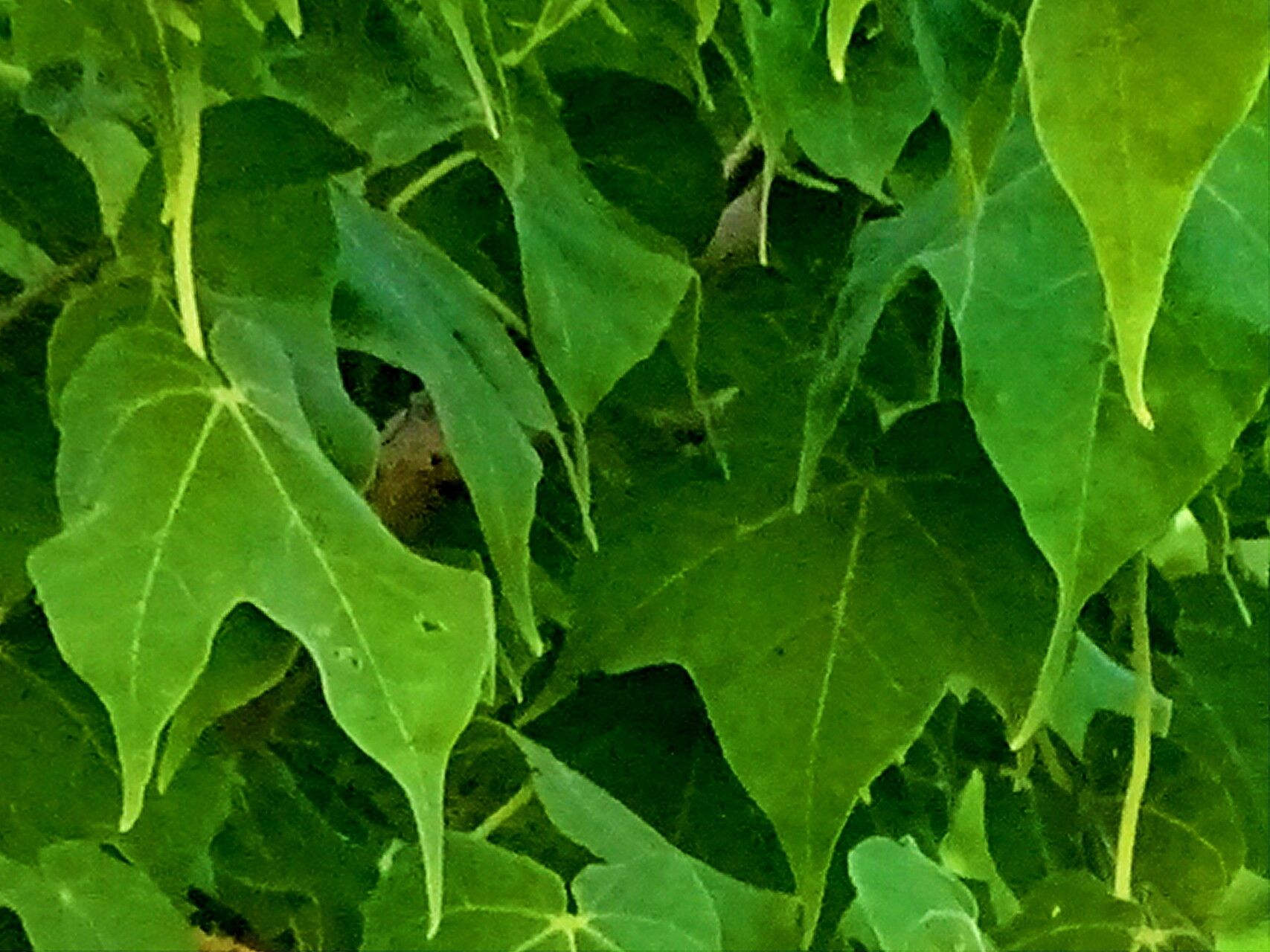
Well hello there, fellow plant enthusiasts! Today, I want to chat about a truly fascinating tree that’s been capturing my heart for years: Sterculia setigera, often called the African olive or Bottle Tree depending on where you’re growing it. Its unique, swollen trunk is a real showstopper, and those lovely, star-shaped leaves are just delightful. If you’ve ever admired one and thought, “I wish I had one of my own,” then I’ve got great news for you! Propagating Sterculia setigera is a wonderfully rewarding endeavor. Now, I won’t lie, it’s not quite as simple as sticking a begonia cutting in water, but with a little know-how and patience, you can absolutely achieve success.
The Best Time to Start
For the highest chance of success, I always aim to take cuttings in the spring or early summer. This is when the plant is actively growing and has the most energy reserves to put into developing new roots. Look for healthy, semi-hardwood stems – not the brand new, floppy growth, but not the old, woody stuff either. Think of it as the “just right” stage, like Goldilocks’ porridge!
Supplies You’ll Need
Gathering your tools beforehand makes the whole process so much smoother. Here’s what I typically have on hand:
- Sharp, clean pruning shears or a sharp knife: For making clean cuts.
- Rooting hormone powder or gel: This is a game-changer for encouraging root development.
- Well-draining potting mix: I like a blend of perlite, coarse sand, and peat moss or coco coir. A cactus/succulent mix works well too.
- Small pots or propagation trays: Choose something with drainage holes!
- Plastic bags or a propagation dome: To create a humid environment.
- Spray bottle: For misting.
- Optional: Heating mat: To provide gentle bottom warmth.
Propagation Methods
While Sterculia setigera can sometimes be grown from seed, stem cuttings are generally the most reliable and quickest method for home propagation.
- Take Your Cuttings: Using your clean shears or knife, select a healthy stem from your parent plant. Make a clean cut just below a leaf node (where a leaf attaches to the stem). Aim for cuttings that are about 4-6 inches long. Remove the lower leaves, leaving just a few at the top to help with photosynthesis.
- Apply Rooting Hormone: Dip the cut end of the stem into your rooting hormone, coating the lower inch or so. Tap off any excess. This step is crucial!
- Plant Your Cuttings: Fill your small pots with the well-draining potting mix. Make a small hole in the center of the soil with your finger or a pencil. Gently insert the treated end of the cutting into the hole, ensuring the base is firmly in contact with the soil.
- Water and Cover: Water the soil thoroughly until it drains from the bottom. Then, cover the pot with a clear plastic bag or a propagation dome. This creates a mini-greenhouse effect, keeping the humidity high, which is vital for cuttings. Make sure the leaves aren’t touching the plastic if possible.
- Provide Bright, Indirect Light: Place your pots in a warm spot with plenty of bright, indirect light. Avoid direct sun, as it can scorch the delicate cuttings.
The “Secret Sauce” (Pro Tips)
You’ve got the basics down, but here are a few little tricks that really make a difference:
- Bottom Heat is Your Friend: Sterculia setigera roots much faster and more reliably when there’s consistent warmth from below. Placing your pots on a heating mat set to around 70-75°F (21-24°C) will significantly boost your success rate. You’ll often see roots forming in half the time!
- Mist Regularly, But Don’t Drench: While you want to maintain humidity with your cover, lightly mist the cuttings every day or two. The goal is to keep the leaves turgid and the soil consistently moist, but not waterlogged. Soggy conditions are a fast track to rot.
- Air Them Out: Once a week, lift the plastic bag or dome for a few minutes to allow for air circulation. This helps prevent fungal issues and starts to acclimatize the new plant to less humid conditions.
Aftercare & Troubleshooting
Be patient! It can take anywhere from 4 to 12 weeks (or even longer) to see signs of rooting. You’ll know your cutting has rooted when you gently tug on it and feel resistance, or when you start to see new leaf growth.
Once roots have formed, slowly acclimate your new plant to lower humidity. Gradually remove the plastic cover for longer periods over a week or two. Continue to water when the top inch of soil feels dry.
The most common problem you’ll encounter is rot. If your cutting turns black and mushy, it’s a sign that conditions are too wet and/or not enough air circulation. Unfortunately, there’s usually no coming back from this, so don’t be discouraged – just try again! Sometimes, cuttings simply fail to root for no apparent reason. Plant genetics and environmental conditions play a role.
Go Forth and Propagate!
There’s a special kind of joy that comes from nurturing a new plant from a seemingly simple cutting. It’s a tangible connection to the life cycle of these amazing plants. So, gather your supplies, choose your healthy stem, and dive in! Don’t be afraid to try, and remember that every gardener, no matter how experienced, has had their share of failed attempts. The learning process is part of the fun. Happy propagating, and I can’t wait for you to experience the satisfaction of seeing your own Sterculia setigera thrive!
Resource:
https://identify.plantnet.org/k-world-flora/species/Sterculia%20setigera%20Delile/data