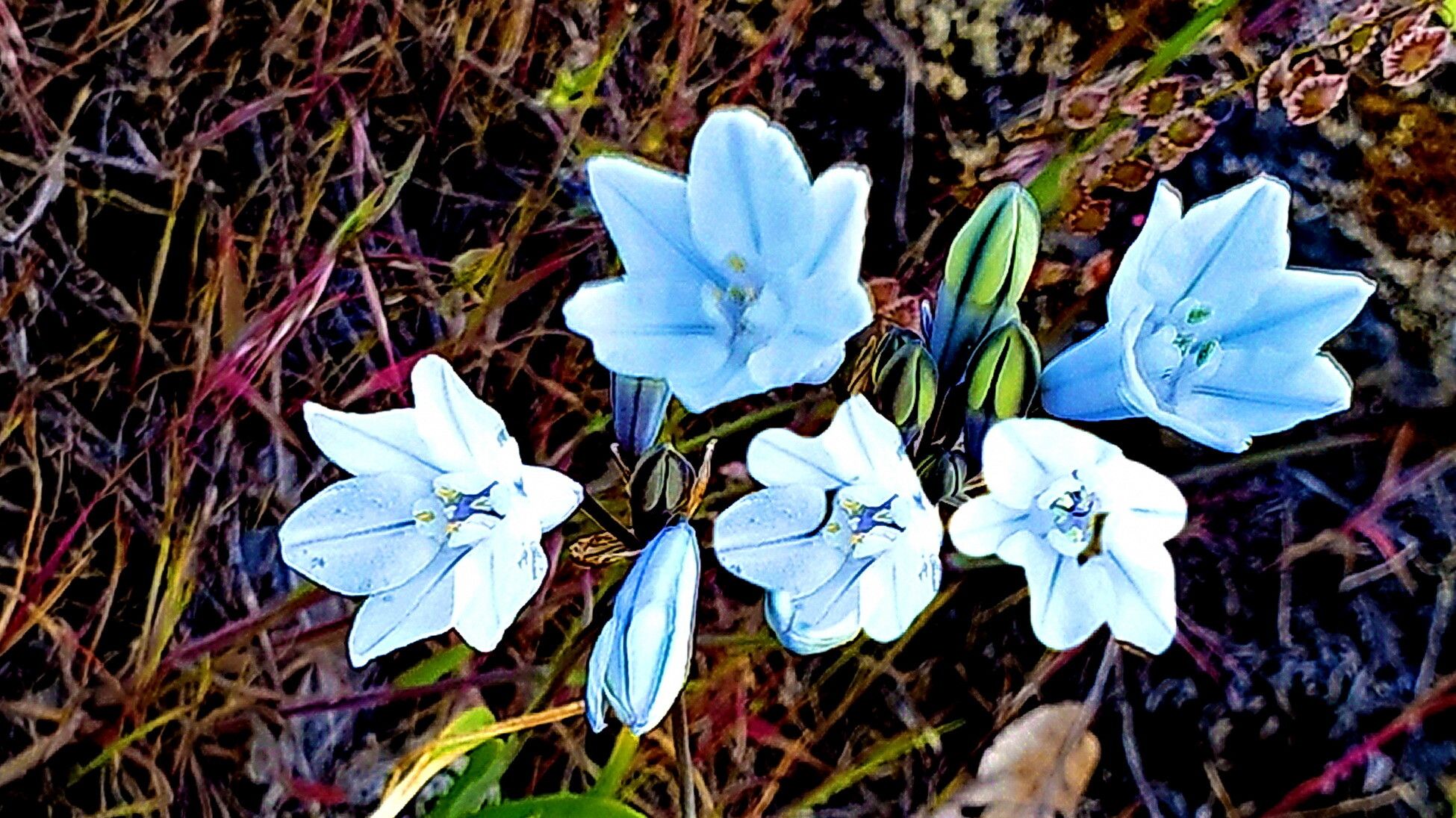
Oh, hello there! Grab a mug of something warm, because today we’re going to chat about a truly delightful bloom: Triteleia grandiflora. If you’ve ever seen these delicate, star-shaped flowers gracing a garden, you know their charm. They come in such lovely shades of blue and violet, and they have this wonderful airy quality that just makes you smile. Honestly, propagating them is incredibly rewarding. You get to witness new life spring from an existing treasure, and for beginners? I’d say they’re moderately easy, a fantastic plant to try your hand at a bit of propagation magic.
The Best Time to Start
The sweet spot for encouraging new Triteleia grandiflora life is late spring or early summer. This is when the parent plants are typically finishing their bloom and are gearing up for their dormant period. You’ll find they have the most energy stored then, ready to put it into growing new babies.
Supplies You’ll Need
Before we get our hands dirty, let’s gather our tools. It’s always good to be prepared!
- Well-draining potting mix: Something like a mix of potting soil, perlite, and a touch of sand works wonders.
- Sharp pruning shears or a clean knife: For making precise cuts.
- Small pots or trays: Clean ones, please!
- Rooting hormone (optional but helpful): A powder or gel can give your cuttings a good kickstart.
- Watering can or spray bottle: For gentle hydration.
- Labels: So you don’t forget what’s what!
- A sunny, but not scorching, spot: Where your new propagations can grow.
Propagation Methods
Triteleia grandiflora is most commonly propagated through division, and it’s really quite straightforward.
Division is your best bet.
This plant grows from corms, which are like little underground bulbs. Over time, these corms multiply.
- Gently dig up the parent plant. The best time is after the foliage has yellowed and died back, usually in late spring. Carefully use a trowel or garden fork around the plant to loosen the soil, then lift the whole clump.
- Separate the corms. Gently tease apart the clumps of corms. You’ll see the main corm with smaller offsets attached. If they’re already forming separate little bulbs, you can carefully break them apart with your fingers or a clean knife. Make sure each new section has at least one good-sized corm and a bit of its basal plate (where the roots grow from).
- Trim any damaged roots. If you see any mushy or damaged roots, give them a clean snip.
- Plant your new divisions. Plant each separated corm about 2-3 inches deep in your prepared, well-draining soil. Give them a little space, as they’ll grow.
- Water them in. Give them a good, gentle watering to settle the soil.
The “Secret Sauce” (Pro Tips)
Here are a couple of things I’ve learned over the years that make a real difference:
- Don’t overwater dormant corms. While they need hydration, sitting in soggy soil when they’re not actively growing is a quick way to invite rot. Wait until you see signs of new growth before you water more regularly.
- Give them a chill. Triteleia, like many bulbs, benefits from a period of cold. While you’re dividing them, the cool soil they’re planted into usually provides this. But if you’re storing them for a bit, keep them in a cool, dry place.
Aftercare & Troubleshooting
Once your new divisions are planted, the main thing is to be patient. Water when the soil starts to feel dry, especially during warmer periods. Avoid overwatering at all costs, as this is the most common culprit for failure.
The main sign of trouble you’ll see is rot – mushy, stinky corms. If you notice this, you might need to dig them up, discard the rotten parts, and replant the healthy sections in fresh, dry soil, ensuring much better drainage. Sometimes, a new division just needs time to establish, so don’t be discouraged if it takes a while to show vigorous growth.
A Encouraging Closing
Propagating Triteleia grandiflora is a beautiful way to multiply these floral gems. It requires a little patience and observation, but the joy of seeing those delicate blooms emerge from your own efforts is truly special. So, gather your tools, get your hands in the soil, and enjoy the process of nurturing new life. Happy gardening!
Resource:
https://identify.plantnet.org/k-world-flora/species/Triteleia%20grandiflora%20Lindl./data