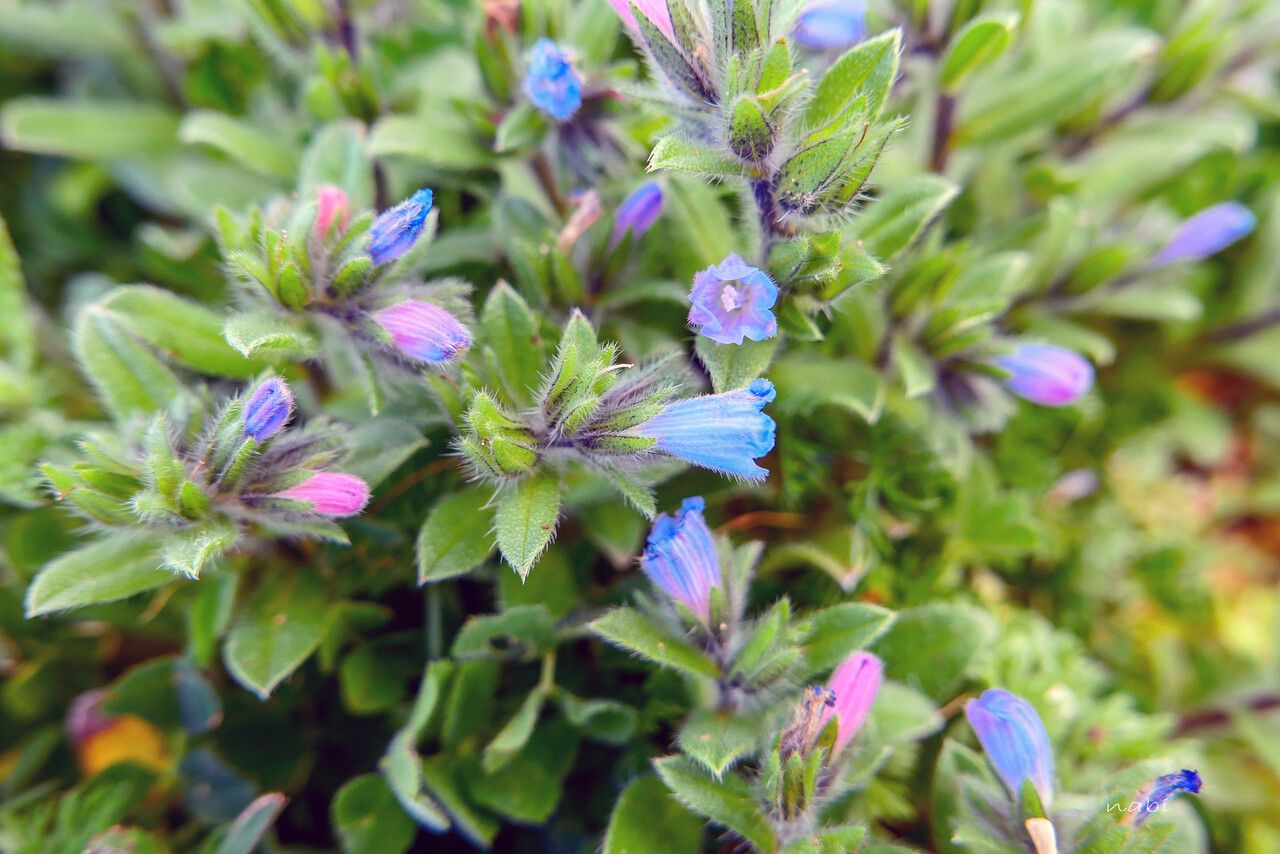
Oh, Echium tenue! Isn’t it just a showstopper in the garden? Those tall, spires of delicate blue flowers, like something out of a fairytale, and the way they attract buzzing bees and fluttering butterflies – it’s pure magic. If you’ve fallen under its spell and want to fill your garden (or your friends’ gardens!) with more of this beauty, you’re in the right place. Propagating Echium tenue can feel a bit like a special project, and while it’s not the absolute easiest plant to start from scratch, it’s definitely achievable with a little patience and the right approach. I’ve learned a thing or two over the years, and I’m happy to share it with you.
The Best Time to Start
For the best chance of success with Echium tenue, aim for late spring to early summer. This is when the plant is actively growing and has plenty of energy to put into developing new roots. You’ll want to take cuttings from healthy, non-flowering stems. If you see any flower buds forming, wait a little longer until the main flowering flush is over and new leafy growth emerges.
Supplies You’ll Need
Gathering your supplies beforehand makes the whole process feel much smoother. Here’s what I usually have on hand:
- Sharp, clean pruning shears or a sharp knife: For taking clean cuts. Sterilize them with rubbing alcohol between each cut to prevent disease.
- Rooting hormone powder or gel: This isn’t strictly essential for every plant, but it can give your Echium cuttings a significant boost in forming roots.
- A well-draining potting mix: I like to use a mix that’s about 50% perlite or coarse sand and 50% high-quality potting soil. This ensures good aeration and prevents waterlogging.
- Small pots or seed trays with drainage holes: Clean ones, of course!
- A watering can with a fine rose or a spray bottle: For gentle watering, especially when the cuttings are just in.
- Plastic bags or a propagator lid: To create a humid microclimate.
- Optional: Bottom heat mat: This can really speed up root development, especially if your environment is a bit cooler.
Propagation Methods
Echium tenue typically does best from stem cuttings. It’s usually not the most straightforward plant for division, and while water propagation can work for some things, I’ve found it’s not the preferred method for Echium.
Stem Cuttings
This is my go-to method for Echium tenue.
- Select Your Cuttings: Look for healthy, vigorously growing shoots that are about 4-6 inches long. You want them to be semi-hardwood – not brand new, soft growth, but also not woody and old. Gently snap or cut a stem just below a leaf node. A leaf node is where a leaf attaches to the stem; this is where the magic of root formation happens.
- Prepare the Cuttings: Carefully remove the lower leaves from the cutting, leaving only the top 2-3 leaves. This prevents leaves from rotting when they are in the soil or water. If the top leaves are very large, you can even cut them in half horizontally to reduce water loss through transpiration.
- Apply Rooting Hormone: Dip the cut end of the stem into your rooting hormone powder or gel. Tap off any excess. This step helps stimulate root growth and can increase your success rate.
- Potting Up: Fill your clean pots or seed trays with your well-draining potting mix. Make a small hole with a pencil or your finger in the center of the soil.
- Insert Cuttings: Gently insert the prepared cuttings into the holes, ensuring the leaf nodes that you removed leaves from are below the soil surface. Firm the soil gently around the base of each cutting.
- Water Gently: Water the cuttings thoroughly but gently, so you don’t dislodge them. Allow excess water to drain away.
- Create Humidity: This is crucial! Cover the pots with a plastic bag or place them in a propagator with a lid. Make sure the plastic doesn’t touch the leaves if possible. You can use skewers or stakes to create a tent.
- Placement: Place the pots in a bright location but out of direct, harsh sunlight. A greenhouse, a bright windowsill, or a sheltered spot outdoors works well. If you have a bottom heat mat, now is the time to use it – around 20-25°C (68-77°F) is ideal.
The “Secret Sauce” (Pro Tips)
Here’s what I’ve found makes a real difference with Echium cuttings:
- Don’t Drown Your Dreams (or Your Cuttings): While humidity is key, soggy soil is the enemy. Water only when the top inch of soil feels dry to the touch. It’s better to err on the side of slightly too dry than too wet. I like to mist the cuttings lightly every few days in addition to watering the soil when needed.
- The Bottom Heat Advantage: I can’t stress this enough! Adding a gentle bottom heat mat under your propagator or pots makes a HUGE difference. It encourages root development from the bottom up, giving your cuttings a much stronger start and significantly shortening the rooting time. It’s like a little spa treatment for their roots!
Aftercare & Troubleshooting
Once your cuttings have started to grow and you feel a gentle tug when you lightly pull on them, it’s a good sign that roots are forming. This can take anywhere from 4 to 8 weeks, sometimes longer.
- Acclimatize Slowly: Once roots are established, gradually remove the plastic covering over a week or two to help the new plants adjust to the ambient humidity.
- Repotting: When the plants have developed a good root system and are showing healthy new growth, you can pot them up into slightly larger individual pots with fresh, well-draining soil.
- Common Issues:
- Rotting: If your cuttings turn mushy and black, it’s usually a sign of too much moisture and not enough air circulation. Ensure your soil is well-draining and don’t overwater.
- Wilting: This can happen if the humidity is too low or if the roots haven’t developed yet. Ensure your humidity dome is functioning, and be patient. Sometimes a very gentle mist of water can help perk them up.
- No Growth: This is often down to patience! Echiums can be a bit slow to start. Ensure they have adequate light and warmth.
A Final Encouraging Word
Remember, gardening is a journey, and propagation is an art form. Not every cutting will succeed, and that’s perfectly okay! Treat each attempt as a learning experience. Be patient, enjoy the process of nurturing these little plants, and before you know it, you’ll have a garden brimming with these magnificent Echium tenues. Happy planting!
Resource:
https://identify.plantnet.org/k-world-flora/species/Echium%20tenue%20Roth/data