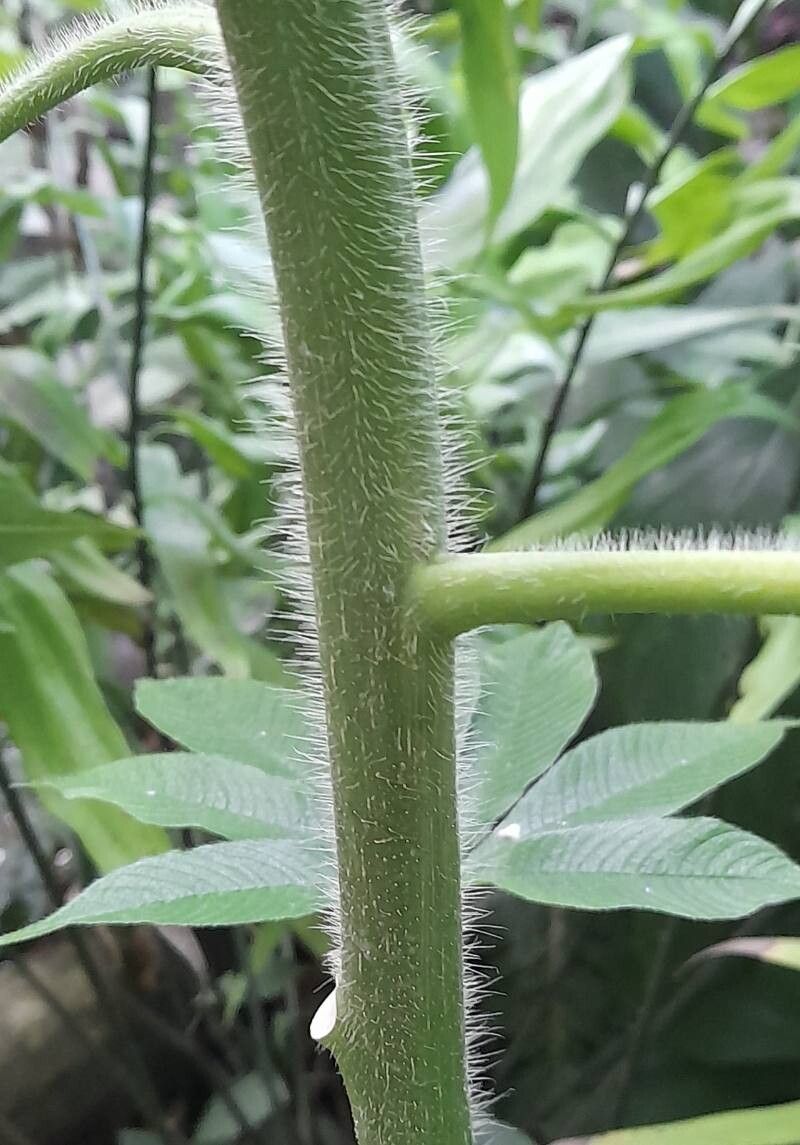
Oh, Cleome gigantea! Those tall, airy blooms with their delicate spider-like flowers are just a showstopper, aren’t they? My absolute favorite thing about them is how they seem to dance in the breeze. And the best part? They’re surprisingly easy to multiply. If you’re looking for a rewarding little project, propagating these beauties is absolutely the way to go. I’d say beginners will find this a very welcoming plant to start with.
The Best Time to Start
I’ve found the sweet spot for propagating Cleome gigantea is late spring or early summer. You want to catch them when they’re actively growing, usually after they’ve started to develop new shoots. This is when they have the most energy to put into developing roots. Waiting until the danger of frost has passed is also a good idea, giving you a nice long growing season for your new plants.
Supplies You’ll Need
Here’s what I keep on hand when I’m getting ready to propagate:
- Sharp Pruning Shears or a Knife: Clean cuts are key.
- Rooting Hormone (Optional, but recommended): A little boost never hurts.
- Small Pots or Seed Starting Trays: Make sure they have good drainage holes.
- Well-Draining Potting Mix: A mix of potting soil and perlite or vermiculite works wonders. Some people like to use a sterile seed starting mix too.
- Plastic Bag or Humidity Dome: To keep things nice and moist.
- Watering Can or Spray Bottle: For gentle watering.
- Labels: To remember what you planted where!
Propagation Methods
Cleome gigantea is super obliging and readily propagates from stem cuttings. This is my go-to method for these garden gems.
- Take Your Cuttings: Look for healthy, non-flowering stems that are about 4-6 inches long. Using your clean shears or knife, make a clean cut just below a leaf node. A leaf node is that little bump where a leaf attaches to the stem.
- Prepare the Cuttings: Gently remove the lower leaves, leaving just a few at the top. If your cuttings have any flower buds starting, pinch those off. We want all that energy going into roots, not flowers.
- Apply Rooting Hormone (Optional): Dip the cut end of each stem into rooting hormone. Give it a gentle tap to remove any excess.
- Plant Your Cuttings: Fill your pots with your prepared potting mix. Make a small hole in the center of each pot with your finger or a pencil. Gently insert the cut end of your Cleome cutting into the hole, pressing the soil lightly around it to keep it in place.
- Water Gently: Give the soil a good, gentle watering. You want it moist, but not waterlogged.
- Create a Humid Environment: Cover your pots with a plastic bag or a humidity dome. This traps moisture and helps keep your cuttings from drying out. You can secure the bag around the pot with a rubber band. Place the pots in a bright location that receives indirect sunlight.
The “Secret Sauce” (Pro Tips)
Over the years, I’ve picked up a few tricks that really make a difference.
- Warm Feet, Happy Roots: My absolute favorite tip is to use bottom heat. I’ll often put my pots on a propagation mat or even near a sunny windowsill where the base of the pots gets a little warmer. This warmth really encourages root development.
- Don’t Let Them Drown: When you water, aim for consistently moist soil, not soggy. Too much water is the fastest way to invite rot, and nobody wants that! If you see water pooling, gently tip the pot to drain it.
- Air Circulation is Key: While you want humidity, don’t forget to give your cuttings some fresh air for a few hours each day. You can simply lift the plastic bag or dome for a bit. This helps prevent fungal issues.
Aftercare & Troubleshooting
Once your cuttings have been in their humid environment for a few weeks, you should start to see signs of new growth, like tiny leaves unfurling. You can gently tug on a cutting; if you feel resistance, it’s developing roots!
When roots have formed, gradually remove the plastic bag or humidity dome over a week to let them acclimatize to normal humidity. Continue to water them when the top inch of soil feels dry. You can move them to a spot with a little more direct morning sun as they get bigger.
The most common issue you might run into is rot. If you see your cuttings turning black and mushy, that’s a sign of overwatering or poor drainage. Unfortunately, once rot takes hold, it’s hard to save them. Don’t get discouraged if a few don’t make it. It’s all part of the learning process!
A Encouraging Closing
Watching those little cuttings transform into full-fledged plants is such a joy. Be patient with your Cleome gigantea – sometimes they take their sweet time developing roots. The reward of seeing them bloom in your garden, knowing you grew them yourself, is absolutely worth it. Happy propagating!
Resource:
https://identify.plantnet.org/k-world-flora/species/Cleome%20gigantea%20L./data