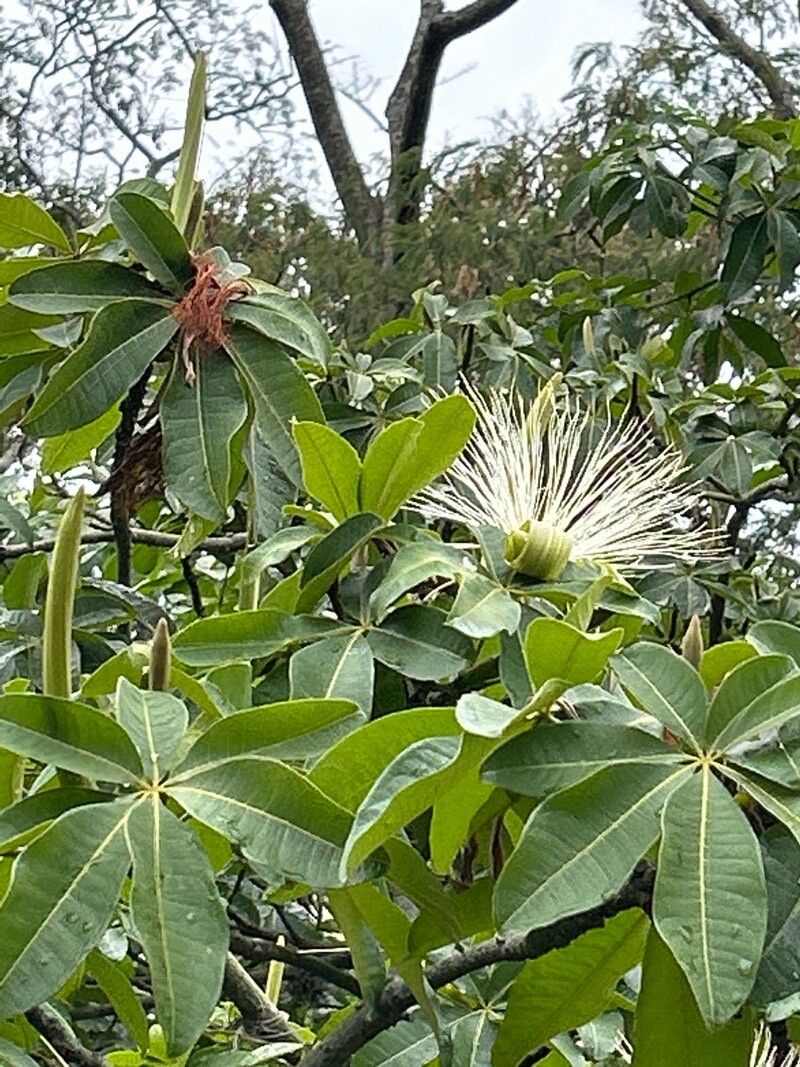
Hello, fellow plant lovers! It’s so good to have you here. Today, we’re diving into the wonderful world of Pachira glabra, often called the Money Tree. You know, those beautiful plants with the braided trunks that just seem to bring good vibes and a touch of lushness into any space. They’re relatively easy to care for as houseplants, and even better, they’re surprisingly rewarding to propagate. If you’ve ever admired your Pachira glabra and thought, “I wish I had more of these!” – well, you’re in luck! This is a fantastic project for beginners and seasoned gardeners alike.
The Best Time to Start
Timing is everything in the garden, and it’s definitely true for our Money Trees. The best time to propagate Pachira glabra is during its active growing season. For most of us, that means spring and early summer. You’ll notice your plant putting on new growth, pushing out fresh leaves. This is when it has the most energy to dedicate to rooting new babies. Waiting until the weather warms up and your plant is bursting with life will give you the best chance of success.
Supplies You’ll Need
Before we get our hands dirty, let’s gather our tools. Having everything ready makes the process smooth and enjoyable.
- Sharp Pruning Shears or a Clean Knife: For making clean cuts.
- Rooting Hormone (Optional but Recommended): A little boost for those cuttings!
- Well-Draining Potting Mix: A good blend for houseplants, or a mix of potting soil and perlite/vermiculite.
- Small Pots or Containers: For planting your cuttings.
- Water: For water propagation.
- Clear Plastic Bag or Mini Greenhouse: To create a humid environment.
- Perlite or Sand: To improve drainage in your potting mix.
- Spray Bottle: For misting.
Propagation Methods
There are a couple of ways to create new Pachira glabra plants. I find stem cuttings to be the most reliable and straightforward method.
Stem Cuttings:
-
Select a Healthy Stem: Look for a piece of stem that’s at least 6-8 inches long and has a few healthy leaves. Avoid old, woody stems or brand new, very soft growth.
-
Make the Cut: Using your sharp pruning shears or knife, make a clean cut just below a leaf node (that little bump where a leaf emerges). This is where the plant is most likely to sprout roots.
-
Prepare the Cutting: Gently remove the lower leaves from the stem, leaving only a few at the top. This prevents them from rotting when buried in soil or submerged in water.
-
Apply Rooting Hormone (Optional): Dip the cut end of the stem into rooting hormone powder, if you’re using it. Tap off any excess.
-
Plant the Cutting:
- In Soil: Fill a small pot with your well-draining potting mix. Make a hole with your finger or a pencil and gently insert the prepared cutting. Firm the soil gently around the stem.
- In Water: Place the cutting in a glass or jar of clean water. Make sure no leaves are submerged, as this can lead to rot.
-
Create Humidity: Whichever method you choose, cover the pot or jar with a clear plastic bag to create a mini greenhouse effect. You can use stakes to keep the bag from touching the leaves. Ensure there are a few small holes or open the bag daily for ventilation.
The “Secret Sauce” (Pro Tips)
Here are a few little tricks I’ve learned over the years that can make a big difference:
- Don’t Drown Your Cuttings (in soil): When planting in soil, water thoroughly once and then let the soil dry out slightly between waterings. Overwatering is the quickest way to kill a new cutting. Feel the top inch of soil; if it feels dry, it’s time to water.
- Bottom Heat is Your Friend: If you can, place your pots on a seedling heat mat. This gentle warmth from below encourages root development much faster than ambient room temperature. It’s like a cozy foot bath for your cuttings!
- Patience with Water Cuttings: If you’re propagating in water, change the water every few days. This keeps it fresh and prevents bacterial growth. And resist the urge to peek too often! Let them do their thing.
Aftercare & Troubleshooting
Once you start to see roots developing (you might see them peeking out the bottom of the pot, or if in water, growing visibly from the stem), it’s time to adjust your care.
- Transitioning to Soil: If you propagated in water, wait until the roots are about an inch long. Then, gently transplant them into pots filled with your well-draining potting mix. Water them in well.
- Continued Care: Keep your new plants in bright, indirect light and continue with the watering and humidity practices you’ve established. As they grow, you can slowly reduce the humidity and treat them more like a mature plant.
- Signs of Trouble: The most common issue is rot. This usually happens due to overwatering or poor air circulation. If your cutting turns black and mushy, it’s likely rotted. Sadly, at this point, it’s usually best to discard it and start again. Yellowing leaves can sometimes mean too much direct sun or underwatering – observe its environment and adjust accordingly.
A Encouraging Closing
See? Not so daunting, is it? Propagating Pachira glabra is a wonderful way to expand your plant family and learn more about how these amazing plants grow. Be patient with the process. Sometimes it takes a little longer than you expect. Enjoy watching those little roots emerge and that first bit of new growth unfurl. Happy propagating, and may your home be filled with many more Money Trees!
Resource:
https://identify.plantnet.org/k-world-flora/species/Pachira%20glabra%20Pasq./data