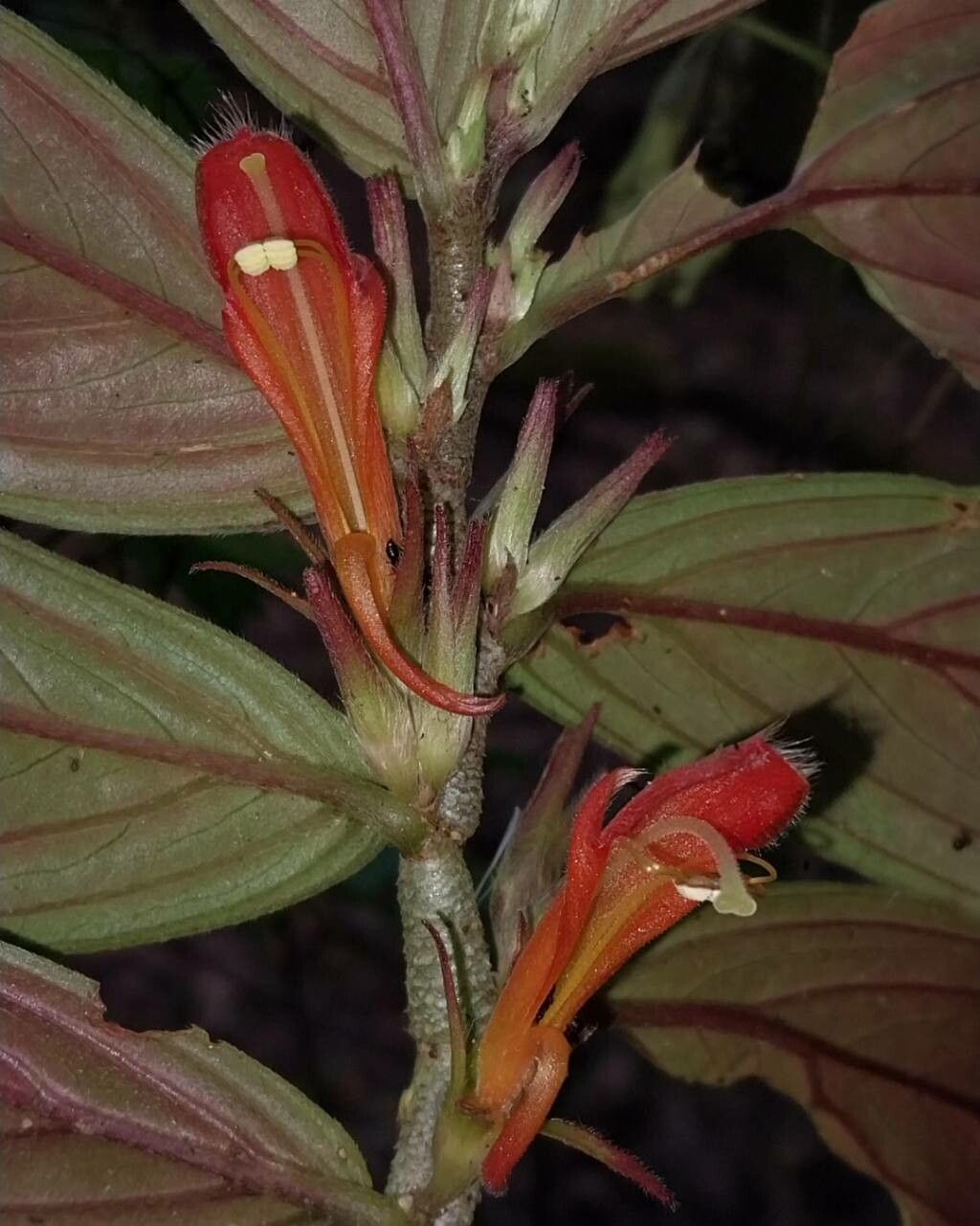
Hello, fellow plant lovers! I remember the first time I saw a Columnea verecunda in full bloom, cascading with those vibrant, fuzzy orange flowers. It was truly breathtaking! I’ve been captivated by these “goldfish plants” ever since.
If you’re looking for a showstopper to add to your collection, Columnea verecunda is it. And the best part? You can easily multiply this beauty yourself. Propagating them is wonderfully rewarding, and honestly, quite forgiving. While I wouldn’t call it a total beginner plant, it’s definitely one that’s very doable and satisfying, even if you’re just starting out on your propagation journey.
The Best Time to Start
For the happiest and most successful propagation, I find that late spring through early summer is your sweet spot. This is when the plant is actively growing and has plenty of energy to put into forming new roots. Spring growth is particularly vigorous, making cuttings robust and ready to take hold.
Supplies You’ll Need
Here’s what you’ll want to have on hand:
- Sharp, clean pruning shears or a sharp knife: For making clean cuts without damaging the stem.
- Propagating medium: A mix of perlite and peat moss (50/50) works wonders. You could also use a good quality potting mix with added perlite for drainage.
- Small pots or seed trays: With drainage holes, of course!
- Rooting hormone (optional but recommended): This can give your cuttings a helpful boost.
- Plastic bag or a propagation dome: To create a humid environment for your cuttings.
- Spray bottle: For misting.
- Water: For water propagation, if you choose that method.
Propagation Methods
Columnea verecunda is quite adaptable, and stem cuttings are my go-to method.
Stem Cuttings:
- Select your parent plant: Look for healthy, vigorous stems on your Columnea verecunda.
- Take your cuttings: Using your clean shears or knife, take cuttings that are 4-6 inches long. Make your cut just below a leaf node (where a leaf attaches to the stem).
- Prepare the cuttings: Gently remove the leaves from the bottom half of each cutting. This prevents them from rotting in the soil and encourages root growth from the exposed nodes.
- Apply rooting hormone (if using): Dip the cut end into the rooting hormone powder, tapping off any excess.
- Plant your cuttings: Moisten your propagating medium. Make small holes in the soil with a pencil or your finger, and insert the prepared cuttings, ensuring at least one leaf node is below the soil surface. Gently firm the soil around them.
- Create a humid environment: Water the soil lightly. Then, cover the pot with a plastic bag or propagation dome to trap humidity. Make sure the leaves don’t touch the inside of the bag if possible.
- Place in indirect light: Find a warm spot that receives bright, indirect light. Avoid direct sun, which can scorch the delicate cuttings.
- Wait for roots: This can take anywhere from 4 to 8 weeks. You’ll know they’re rooting when you feel a gentle tug when you lightly pull on a cutting, or when you see new growth.
Water Propagation (A quick alternative):
- Take cuttings and prepare them as described above, removing the lower leaves.
- Place the cuttings in a glass of water, making sure the leaf nodes are submerged but the leaves are above the water line.
- Change the water every few days to keep it fresh and prevent bacterial growth.
- Place in bright, indirect light.
- Roots should appear in a few weeks. Once the roots are about an inch long, you can carefully transplant them into your propagating medium.
The “Secret Sauce” (Pro Tips)
- Bottom Heat is Your Friend: If you have a seedling mat or can place your pots on top of a warm appliance (like a router), this can significantly speed up root formation. The warmth from below encourages the cutting’s energy to focus on developing roots.
- Don’t Over-Water: Overwatering is the quickest way to rot your cuttings. The soil should be consistently moist, but not soggy. Allow the surface to dry out slightly between waterings. A good test is to stick your finger about an inch into the soil. If it feels dry, it’s time to water.
- Cleanliness is Key: Always use sterilized tools and clean pots. This might sound basic, but it drastically reduces the chance of fungal infections that can kill your precious cuttings before they even have a chance to grow.
Aftercare & Troubleshooting
Once your cuttings have developed a healthy root system, it’s time to treat them like tiny plants!
- Transplanting: You can either pot them up individually into small pots with a well-draining potting mix (like a general houseplant mix with added perlite) or keep them in the propagation tray if they’re well-rooted.
- Watering: Continue to water when the top inch of soil feels dry. They are still establishing their root systems, so consistent moisture is important.
- Light: Gradually introduce them to brighter, indirect light. They will appreciate a spot where they can get plenty of dappled light.
- Fertilizing: Wait until you see consistent new growth before you start feeding them, and then use a diluted liquid fertilizer at half strength.
Now, what if things go wrong? The most common culprit is rot. If your cutting turns mushy, black, or starts to fall apart, it’s usually a sign of too much moisture and not enough air circulation. If you catch it early, you might be able to save a portion by cutting away the rotted parts and repotting in fresh, drier medium. Another sign of failure is simply a lack of growth. This can happen if conditions aren’t right – too cold, too dark, or if the cutting wasn’t viable to begin with. Don’t get discouraged if a few don’t make it!
A Encouraging Closing
Propagating plants is a journey of patience and observation. Celebrate every little green shoot and tiny root! Don’t be afraid to experiment a little. Before you know it, you’ll have a whole new collection of these stunning Columnea verecunda plants to share with friends or to simply enjoy their beauty cascading from your shelves. Happy propagating!
Resource:
https://identify.plantnet.org/k-world-flora/species/Columnea%20verecunda%20C.V.Morton/data