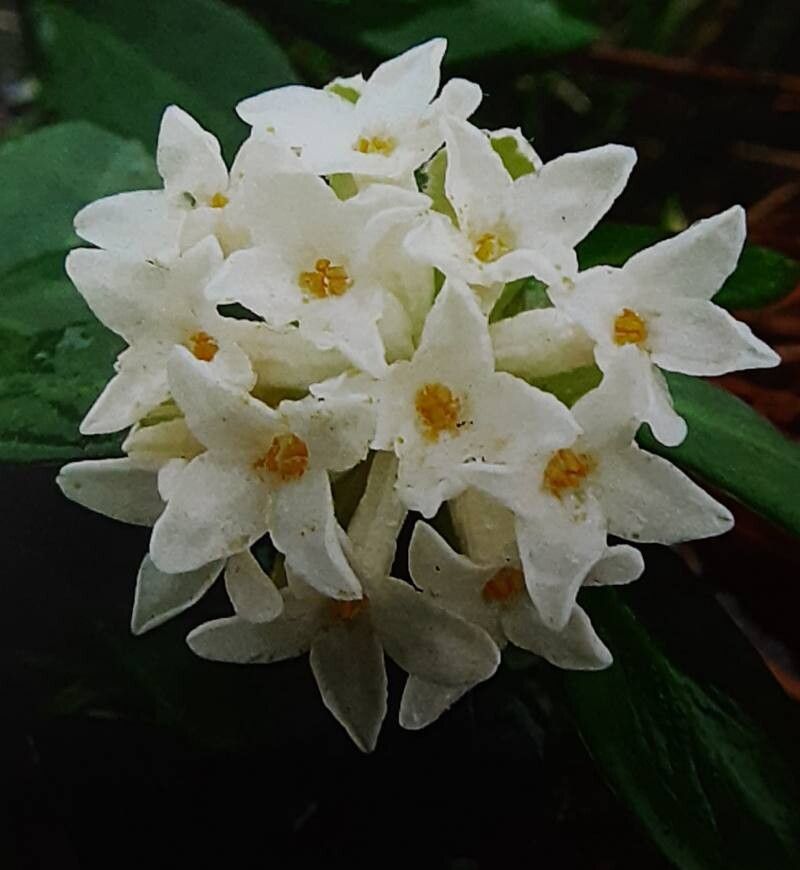
Hello there, fellow garden enthusiasts! I’m so excited to chat with you today about one of my absolute favorite shrubs: Daphne blagayana. If you haven’t had the pleasure, imagine a plant that graces your garden with the most intoxicating, sweet fragrance, especially in late winter or early spring when little else is blooming. That first whiff of its delicate, often white, tubular flowers is pure magic. And the best part? You can multiply this joy!
Propagating Daphne blagayana isn’t exactly a ‘stick it in the ground and forget it’ kind of task, but with a little patience and the right approach, it’s wonderfully rewarding. For absolute beginners, I’d say it leans a bit towards the ‘challenging’ side, but that just means we get to learn something new together! The satisfaction of nurturing a tiny cutting into a full-fledged plant is immense.
The Best Time to Start
For Daphne blagayana, timing is everything. I’ve found the highest success rates with softwood cuttings taken in late spring or early summer. This is when the new growth is still flexible and ‘soft’ but has started to firm up a bit. You want cuttings that snap cleanly when bent, not bend limply. Waiting too late in the season, when growth is hard, can make rooting more difficult.
Supplies You’ll Need
Before we get our hands dirty, let’s gather our tools:
- Clean, sharp pruning shears or a sharp knife: For taking precise cuttings.
- Rooting hormone: A powder or gel to encourage root development. Don’t skip this for Daphnes; it makes a big difference!
- A well-draining potting mix: I like a blend of peat moss, perlite, and a little bit of coarse sand. About a 2:1:1 ratio works wonders. This keeps things airy and prevents waterlogging.
- Small pots or seed trays: With drainage holes, of course.
- A clear plastic bag or a propagation dome: To maintain high humidity around the cuttings.
- Small pebbles or grit: To place in the bottom of pots, if you’re worried about drainage.
- A watering can with a fine rose: For gentle watering.
Propagation Methods: Taking Stem Cuttings
Stem cuttings are my go-to for Daphne blagayana. It’s reliable and gives you plenty of material to work with.
- Select your parent plant: Choose a healthy, vigorous Daphne blagayana that is free from pests or diseases.
- Take your cuttings: Using your clean shears, take 4-6 inch softwood cuttings from the current season’s growth. Make your cuts just below a leaf node (where a leaf attaches to the stem).
- Prepare the cuttings: Gently remove the lower leaves from the bottom half of the cutting. Leave about 2-3 leaves at the top. If the remaining leaves are very large, you can carefully cut them in half horizontally to reduce water loss through transpiration.
- Apply rooting hormone: Dip the cut end of each cutting into your rooting hormone, tapping off any excess.
- Pot them up: Fill your pots with the prepared potting mix. Make a hole with a pencil or your finger and insert the cutting so that the leaf nodes that were below the soil line are now covered. Gently firm the soil around the cutting.
- Water gently: Water the mix thoroughly but carefully, using your fine-rose watering can. You want the soil to be moist but not soggy.
- Create humidity: Place the pots into a clear plastic bag, sealing it loosely with a twist tie, or cover them with a propagation dome. Position them in a bright spot, but out of direct sunlight.
The “Secret Sauce” (Pro Tips)
Here are a couple of things I’ve learned over the years that really give your Daphne cuttings a leg up:
- Avoid letting leaves touch the water: If you find your cuttings are sitting in standing water, even from misting, it’s a surefire way to encourage rot. Make sure the base of the cutting is in the soil mix, and if you’re misting, do it lightly so excess water drains away quickly.
- Bottom heat is your friend: While not strictly essential, placing your pots on a heated propagator mat can significantly speed up rooting. Daphnes appreciate a little warmth from below to encourage root formation.
Aftercare & Troubleshooting
Once your cuttings are potted, resist the urge to peek too often! Keep the humidity high. After a few weeks, you should start to see tiny new leaves emerging. This is a good sign! To check for roots, give a very gentle tug. If you feel resistance, roots have formed.
Now, it’s time to acclimate them to slightly drier air. Gradually open the plastic bag or ventilation on your dome over a week or so. Continue to keep the soil consistently moist but not waterlogged.
What if things go wrong? Rot is the most common problem. If you see the cutting turning black and mushy, it’s likely rotted. This usually happens due to too much water or poor drainage. If some cuttings rot, try to remove them promptly so they don’t affect others.
A Little Encouragement for Your Garden Journey
Propagating Daphne blagayana is a journey, and like any good garden project, it requires a bit of patience. Don’t be discouraged if your first few attempts aren’t perfect. Learn from it, adjust your approach, and celebrate every little green shoot you see. The reward of multiplying this fragrant treasure is well worth the effort. Happy propagating!
Resource:
https://identify.plantnet.org/k-world-flora/species/Daphne%20blagayana%20Freyer/data