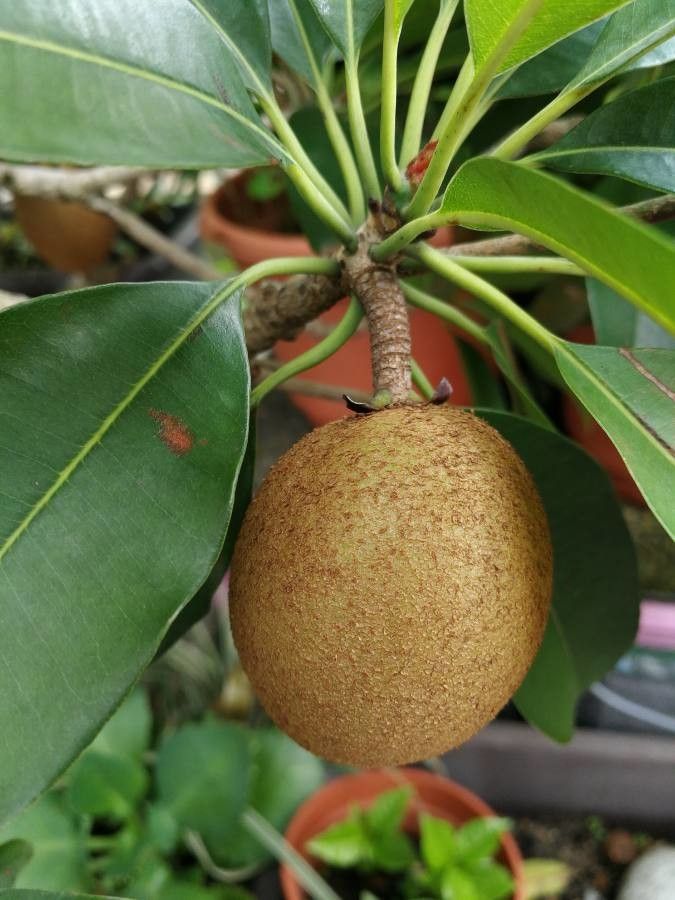
Hello, fellow plant enthusiasts! Today, we’re diving into the wonderful world of propagating Mammea americana, often called the Mamey or Mamey Apple. If you’ve ever tasted the creamy, sweet flesh of this tropical fruit, you know it’s a true delight. But beyond the fruit itself, the tree is quite beautiful, with glossy, leathery leaves that offer a lush, tropical feel to any garden. Growing your own from seed or a cutting is incredibly rewarding, and while a little patience is always a gardener’s virtue, propagating Mamey can be a moderately challenging but very achievable project for those willing to learn.
The Best Time to Start
For the highest success rates, late spring or early summer is your sweet spot. This is when the plant is in its most vigorous growth phase, meaning it’s ready to put energy into new roots. You’re looking for healthy, semi-hardwood stems that are no longer floppy and soft but also not completely woody and mature. Think of a pencil – firm, but still a little flexible.
Supplies You’ll Need
Here’s what you’ll want to have on hand:
- Sharp, clean pruning shears or a knife: For making clean cuts. Disinfect them with rubbing alcohol before and after use.
- Rooting hormone: A powder or gel can significantly boost your chances. Look for one containing IBA (indole-3-butyric acid).
- Well-draining potting mix: I like a blend of equal parts perlite, peat moss, and coarse sand. Some growers also have success with a coconut coir-based mix.
- Small pots or propagation trays: Ensure they have drainage holes.
- Clear plastic bag or a mini-greenhouse: To maintain humidity.
- Watering can with a fine rose: For gentle watering.
- Optional: Bottom heat mat: This can speed up root development.
Propagation Methods
While Mamey can be grown from seed, that process can take many years to produce fruit. For a quicker path to a new plant, stem cuttings are your best bet.
Stem Cuttings Method:
- Select your cutting: Choose a healthy, disease-free stem that’s about 6-10 inches long. Make your cut just below a leaf node (where a leaf attaches to the stem).
- Prepare the cutting: Gently remove the lower leaves, leaving just a few at the top. This prevents them from rotting in the soil. If there are any flowers or fruits on the cutting, remove them too.
- Apply rooting hormone: Dip the cut end of the stem into the rooting hormone, tapping off any excess.
- Plant the cutting: Make a hole in your prepared potting mix with a pencil or your finger. Insert the cutting, ensuring the leaf nodes are buried. Gently firm the soil around the stem so it stands upright.
- Water and cover: Water the soil thoroughly but gently. Cover the pot with a clear plastic bag or place it in a mini-greenhouse to create a humid environment. Stick a few twigs or skewers into the pot if necessary to keep the plastic from touching the leaves.
- Place in warmth and light: Position your cutting in a bright spot that receives indirect sunlight. Avoid direct sun, which can scorch the delicate leaves.
The “Secret Sauce” (Pro Tips)
Here are a few things I’ve learned over the years that can really make a difference:
- Cleanliness is next to Godliness: I can’t stress this enough. Always use sterile tools and pots. Fungal and bacterial infections are the quickest way to kill a promising cutting. A quick dip in a bleach solution (1 part bleach to 9 parts water) for your tools works wonders.
- Don’t Drown Your Dreams: Overwatering is the enemy of cuttings. The soil should be consistently moist but never soggy. If you can, water from the bottom by placing the pot in a tray of water for about 30 minutes, allowing the soil to wick up moisture.
- Bottom Heat is Your Friend: If you can get your hands on a bottom heat mat, use it! A soil temperature of around 75-80°F (24-27°C) provides the perfect environment for roots to develop much faster.
Aftercare & Troubleshooting
Once your cuttings are planted, resist the urge to tug on them! Roots can take anywhere from 4 weeks to a few months to develop. You’ll know they’re established when you see new leafy growth emerging from the top.
The most common problem you’ll encounter is rot. If you see your cutting turning black and mushy, it’s too late. This is usually a sign of too much moisture and not enough air circulation. If the leaves start to yellow and wilt but the stem is still firm, it might be a sign of lack of humidity or insufficient light. Just continue to mist the environment or ensure it’s in a bright, well-lit spot.
Once new growth appears, you can gradually acclimate your new Mamey to normal household humidity by opening the plastic bag a little each day over a week. Once the roots have filled the pot, you can transplant it into a slightly larger container.
Happy Growing!
Propagating Mammea americana is a journey, and like any good garden project, it requires patience and a little faith. Don’t be discouraged if your first attempt isn’t perfect. Each cutting you nurture brings you one step closer to enjoying your own homegrown Mamey. So, gather your supplies, embrace the process, and enjoy watching your new little tropical tree thrive! Happy gardening!
Resource:
https://identify.plantnet.org/k-world-flora/species/Mammea%20americana%20L./data