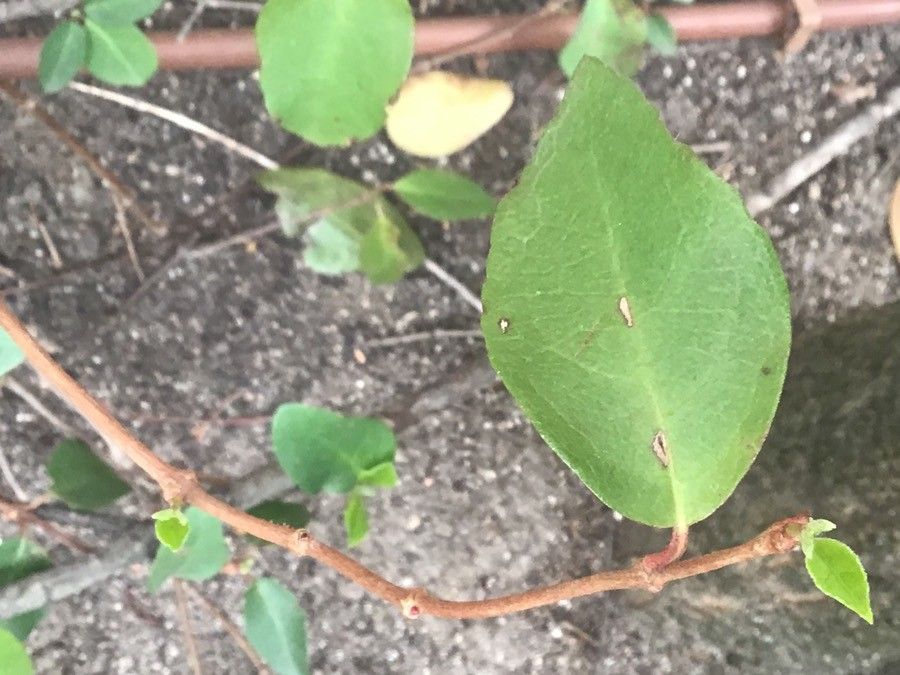
Oh, hello there, fellow garden enthusiast! I’m so glad you’ve stumbled upon my little corner of the internet. Today, we’re diving into the wonderful world of propagating Hydrangea barbara, or as I affectionately call her, “Barbara’s Beauty.” If you’ve ever admired those stunning, lush blooms and wished you had more of them gracing your garden, then you’re in the right place. Propagating shrubs like Barbara is incredibly rewarding. It’s like taking a little piece of your garden’s magic and planting it elsewhere to double that joy. And the good news? Barbara is a pretty forgiving plant, making her a great choice even if you’re just starting your propagation journey.
The Best Time to Start
For these beauties, I find the magic happens in early to mid-summer. This is when the plant has had a chance to put on some good growth, and you can select stems that are semi-hardened. You’re looking for stems that are flexible but not floppy, and they should have a bit of snap to them. Avoid the brand-new, bright green growth that’s still really soft, and definitely steer clear of the woody, older stems.
Supplies You’ll Need
Gathering your supplies ahead of time makes the whole process so much smoother. Here’s my go-to list:
- Sharp, clean pruning shears or a sharp knife: For making clean cuts that heal well.
- Rooting hormone (powder or gel): This is a game-changer for encouraging root development. I personally prefer a gel.
- Potting mix: A good quality, well-draining potting mix is crucial. I often use a blend of peat moss and perlite to ensure excellent aeration.
- Small pots or seed trays: Clean pots are a must to prevent disease.
- Plastic bags or a propagator: To create a humid environment for your cuttings.
- Labels: Don’t forget to label your cuttings! Trust me on this one.
- A spray bottle: For misting your cuttings.
- Optional: Bottom heat mat: This can significantly boost rooting success, especially if your space is a bit cooler.
Propagation Methods
Let’s get our hands dirty! I find stem cuttings the most reliable method for Hydrangea barbara.
Stem Cuttings
- Select your stems: Head out to your healthy Hydrangea barbara and look for those semi-hardened shoots I mentioned. Aim for cuttings about 4-6 inches long.
- Make the cut: At the base of the stem, make a clean cut just below a leaf node (where a leaf attaches to the stem). This is where roots are most likely to form.
- Prepare the cutting: Gently remove the leaves from the bottom half of the cutting. If your cutting has large leaves, you can even snip the remaining leaves in half to reduce water loss. The goal is to have just a couple of leaves at the top.
- Apply rooting hormone: Dip the cut end of the stem into your rooting hormone, tapping off any excess. Make sure the entire bottom half that will be in the soil is coated.
- Plant the cuttings: Fill your small pots with your well-draining potting mix. Make a hole in the center of the soil with your finger or a pencil. Insert the cutting, ensuring the rooting hormone is covered by the soil. Gently firm the soil around the base of the cutting.
- Water gently: Water the pot thoroughly until water drains from the bottom.
- Create humidity: Place a plastic bag over the pot, or cover the entire tray with a propagator lid. Make sure the leaves don’t touch the plastic. You can use stakes to keep the bag from collapsing onto the foliage.
Water Propagation (Less Common for Barba, but possible for some hydrangeas)
While I find stem cuttings more successful for Hydrangea barbara, you can try water propagation with some hydrangeas.
- Prepare cuttings: Follow steps 1-3 from the stem cutting method.
- Place in water: Fill a clean jar or vase with room-temperature water. Place the cuttings so that the nodes where you removed leaves are submerged, but the leaves themselves are above the water level.
- Location: Place the jar in a bright spot but out of direct sunlight.
- Change water regularly: Refresh the water every few days to keep it clean and oxygenated.
- Transplant when rooted: Once you see a good network of roots (at least an inch or two long), carefully transplant them into pots with potting mix, just like you would with well-rooted cuttings from the first method.
The “Secret Sauce”
Here are a few things I’ve learned over the years that really seem to make a difference:
- The “Heel” Trick: Sometimes, when you’re taking a cutting, you can gently pull a small piece of the parent stem (called a “heel”) away with your cutting. This little bit of older wood can actually help stimulate root growth.
- Bottom Heat is Your Friend: Seriously, if you can get your hands on a bottom heat mat, do it! Keeping the soil temperature consistently around 70-75°F (21-24°C) encourages roots to develop much faster and with more vigor. Place your pots on top of the mat.
- Don’t Overwater, but Keep it Moist: It’s a delicate balance. You want the soil to be consistently moist, but never soggy. Soggy soil is the express lane to rot. A good sprinkle after planting and then misting regularly is usually sufficient.
Aftercare & Troubleshooting
Once you’ve potted up your cuttings, the patience game begins!
- Roots are coming! You’ll know your cutting has rooted when you see new leaf growth. You can also give the cutting a very gentle tug. If you feel resistance, that’s a good sign of root development.
- Transitioning: Once your cuttings have established a good root system (you might see roots peeking out of the drainage holes), you can gradually introduce them to less humid conditions. Start by removing the plastic bag for a few hours each day, slowly increasing the time.
- Potting up: When they’re ready, you can transplant them into slightly larger pots with fresh potting mix. Continue to keep them well-watered but not waterlogged.
- Troubleshooting – Rot: The most common problem is rot, which usually happens from overwatering and lack of drainage. If you see your cutting turning black and mushy, it’s likely gone. Remove it immediately to prevent it from affecting other cuttings and reassess your watering habits. Another sign is wilting that doesn’t perk up after misting, which can also indicate rot or that the cutting has simply given up.
A Bit of Patience Goes a Long Way
Propagating plants is a beautiful dance with nature. There will be times when success is abundant, and other times when a few cuttings don’t quite make it. Don’t get discouraged! Each attempt is a learning experience. Enjoy the process of nurturing these tiny new beginnings, and before you know it, you’ll have a whole new collection of Hydrangea barbara beauties to share or to fill your own garden with even more color. Happy growing!
Resource:
https://identify.plantnet.org/k-world-flora/species/Hydrangea%20barbara%20(L.)%20Bernd%20Schulz/data