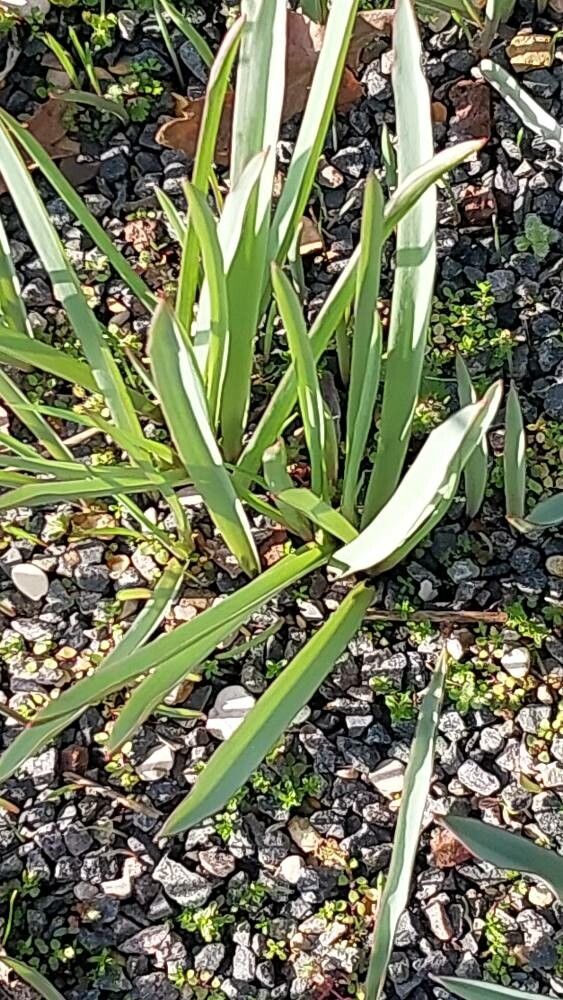
Oh, hello there! So glad you’ve stopped by. Today, we’re diving into the delightful world of Tulipa clusiana, often called Lady Tulip. If you’ve ever seen these slender beauties gracing a garden, you know they have a certain elegance. Their delicate, often bicolored blooms in shades of pink and white, with that striking dark eye, are just pure magic. Propagating them can seem a bit daunting at first glance, but trust me, it’s a wonderfully rewarding endeavor. It’s not the absolute easiest plant for a complete novice, but with a little care and understanding, you’ll be creating your own little clumps of Lady Tulips in no time.
The Best Time to Start
The prime time to think about propagating Tulipa clusiana is really when they’re taking a well-deserved rest. After the foliage has completely died back in late spring or early summer, that’s your golden window. This is when the bulbs have stored up all their energy and have finished their flowering cycle. Trying to divide or collect seeds while they’re actively growing or flowering can stress the parent plant and often yields less successful results. So, patience is key here – let them finish their show before you start thinking about new beginnings.
Supplies You’ll Need
Before we get our hands dirty, let’s gather our tools. You won’t need much, but having the right things makes all the difference:
- A sharp, clean trowel or small spade. For gently lifting and dividing bulbs.
- A sharp pair of pruning shears or secateurs. Make sure they’re clean, too!
- Well-draining potting mix. I like a blend of equal parts good quality potting soil, sharp sand, and perlite. Tulips hate soggy feet.
- Small pots or seed trays. For housing your new divisions or seedlings.
- Labels and a permanent marker. To keep track of what you’ve planted where and when.
- A small brush or soft cloth. For gently cleaning bulbs.
- Optional: A very light application of a balanced bulb fertilizer once the new growth is established.
Propagation Methods
Tulipa clusiana is primarily propagated through a method called division. It’s how nature intended them to expand, and it’s the most reliable way for us home gardeners.
- Excavation Time: Once the foliage has completely yellowed and withered, gently dig around the base of the plant with your trowel. We’re aiming to unearth the main bulb and any of its offsets. Be careful not to nick or damage the bulbs. You might find several smaller bulbs attached to the main one, or they might have started to separate on their own.
- Gentle Separation: Once you’ve carefully lifted the bulb cluster, gently brush away as much of the old soil as you can. You want to clearly see the bulb and its base. Now, examine the offsets. If they are easily detached, you can gently twist or pull them away from the parent bulb. If they are firmly attached, don’t force them. You can make a clean cut with your clean secateurs, ensuring each division has at least a small bit of the basal plate (the bottom part where roots grow from). Even a tiny offset can grow into a new bulb, though it might take a year or two to flower.
- Drying Off (Optional but Recommended): If you have space and the weather is dry, lay the separated bulbs on a tray outdoors in a shaded, airy spot for a few days to a week. This helps them dry and reduces the risk of rot when you replant them. You can also gently brush off any remaining old roots or bulb husks.
- Replanting: Fill your pots or seed trays with your well-draining potting mix. Plant each bulb division about 4-6 inches deep, with the pointed end facing upwards. Give them a little space – about 2-3 inches apart. Water them in gently.
The “Secret Sauce” (Pro Tips)
Here are a few tricks I’ve picked up over the years that can really boost your success with these lovely tulips:
- Bulb Hygiene is Paramount: I can’t stress this enough – ensure all your tools and hands are clean before you start. This prevents the transmission of any fungal or bacterial diseases that can quickly take hold of vulnerable bulbs. If you’re at all concerned about disease, you can lightly dust your bulb divisions with a sulfur-based fungicide before replanting.
- Don’t Overcrowd, But Don’t Be Too Shy: While you want to give your new bulbs space, don’t be afraid to pot up a few divisions together in a larger container if they’re very small. They can offer each other a little support in their early stages. Just make sure there’s good air circulation.
- Think About the Dormancy Period: For Tulipa clusiana, and many other tulips, that dry summer dormancy is crucial. If you’re in a very wet or humid climate, consider a period of cool, dry storage for your dug-up bulbs before replanting them in the autumn. This mimics their natural Mediterranean environment.
Aftercare & Troubleshooting
Once your divisions are replanted, keep the soil lightly moist but never wet. As autumn approaches, they’ll begin to establish roots. You don’t need to do much over winter; they’re quite hardy.
You’ll likely see shoots emerging in early spring. Resist the urge to overwater or fertilize heavily at this stage. Let them grow naturally.
The most common issue you might face is rot. This is almost always due to overwatering or poorly draining soil. If you notice a bulb that feels mushy or smells off, it’s best to discard it to prevent the problem from spreading. You might also find that very small offsets take a year or two to reach flowering size. That’s perfectly normal! They need time to build up their energy reserves. Don’t be discouraged if you don’t get blooms from every single division in the first year.
So there you have it! Propagating Tulipa clusiana is a wonderful way to expand your collection and share these elegant blooms with friends. Remember to be patient, observe your plants, and most importantly, enjoy the process. Happy gardening!
Resource:
https://identify.plantnet.org/k-world-flora/species/Tulipa%20clusiana%20Redouté/data