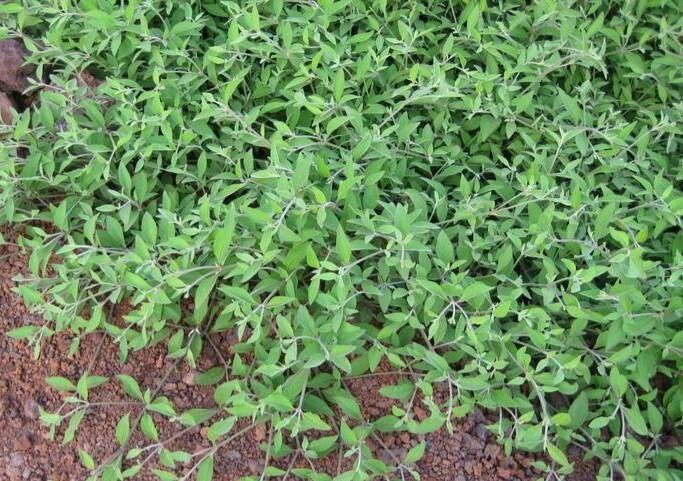
Hello there, fellow plant lovers! It’s so good to be back here with you, coffee in hand, ready to chat about all things green and growing. Today, we’re diving into the wonderful world of propagating Pupsalia lappacea. If you’ve ever admired this plant’s unique texture and fascinating seed heads, you’re in for a treat. Getting more of these beauties to grow is incredibly rewarding, and honestly, it’s not as daunting as it might seem. I’d say it’s quite accessible, even for those of you relatively new to the plant parent club.
When is the Best Time to Start?
For the best chance of success with Pupsalia lappacea, I like to start in the late spring or early summer. This is when the plant is actively growing and has plenty of energy. You’ll be looking for healthy, new stems that haven’t flowered or gone to seed yet. Think vibrant green, not woody. Starting during this vigorous growth phase means your cuttings will have the best shot at rooting quickly.
What You’ll Need to Get Started
Gathering your supplies beforehand makes the whole process much smoother. Here’s what I always have on hand:
- Sharp, clean pruning shears or a sharp knife: A clean cut is crucial to prevent disease.
- A good quality potting mix: I prefer a mix that drains well. A blend of peat moss, perlite, and a little bit of compost usually does the trick. For Pupsalia lappacea, something on the lighter side is great.
- Small pots or seed trays: Clean ones are important!
- Rooting hormone (optional but recommended): This can give your cuttings a boost.
- A spray bottle: For misting.
- Plastic bags or a propagator: To create a humid environment.
- Labels and a pen: To keep track of what you’ve planted.
Let’s Get Propagating!
There are a couple of methods that work wonderfully for Pupsalia lappacea.
Stem Cuttings: My Go-To Method
This is my favorite way to increase my collection.
- Find a healthy, non-flowering stem. You want cuttings that are about 4-6 inches long.
- Make a clean cut just below a leaf node. This is the little bump where a leaf grows from the stem.
- Gently remove the lower leaves, leaving just a couple at the very top. This prevents them from rotting in the soil.
- If you’re using rooting hormone, dip the cut end into it now.
- Fill your small pots with your prepared potting mix. Make a small hole with your finger or a pencil.
- Gently insert the cutting into the hole, ensuring the leaf nodes are buried.
- Water lightly until the soil is moist but not waterlogged.
- Place the pot inside a plastic bag or a propagator. Seal it loosely to maintain humidity.
- Put the pot in a bright spot, but out of direct sunlight.
Water Propagation: A Visual Treat
This method lets you watch the magic happen!
- Take your stem cuttings the same way as described above – 4-6 inches long, cut below a node, and remove lower leaves.
- Find a clean jar or glass and fill it with fresh water.
- Place the cuttings in the water, making sure no leaves are submerged. This is key to preventing rot.
- Put the jar in a bright location, away from direct sun.
- Change the water every few days to keep it fresh and oxygenated.
- You should start to see little white roots emerging from the nodes within a few weeks. Once the roots are about an inch long, you can transplant them into potting soil as you would with cuttings that rooted in soil.
The “Secret Sauce” You Won’t Want to Miss
Here are a few little tricks I’ve picked up over the years that really make a difference:
- Don’t be afraid to experiment with bottom heat. If you can, place your pots on a seedling heat mat. This gentle warmth from below encourages root development much faster than ambient room temperature, especially if your room is a bit on the cool side.
- Mist Regularly, But Avoid Soaking. While humidity is vital, you don’t want standing water on the leaves constantly. A gentle misting of the leaves a couple of times a day, or whenever they look a bit dry, is perfect. This mimics their natural environment without encouraging fungal issues.
- Patience is Your Best Friend. Sometimes, cuttings take their sweet time to root. Don’t despair if you don’t see action immediately. I’ve had some that seemed to be doing nothing for weeks, only to surprise me with a flush of new growth. Keep them in the right conditions and trust the process.
Aftercare and What to Watch Out For
Once your cuttings have developed a good root system – you’ll feel a slight resistance when you gently tug on them, or you might even see them peeking out of the drainage holes – it’s time to treat them like little potted plants.
Continue to keep them in bright, indirect light and water when the top inch of soil feels dry. Gradually acclimate them to lower humidity if they’ve been in a propagator by opening it up for longer periods each day.
The most common issue you might encounter is rot. If your cutting turns mushy and black, it’s likely rot. This is usually due to overwatering or a lack of air circulation. If you see this, unfortunately, that cutting is probably a goner. You can try to salvage any healthy bits from the top, but it’s often best to start fresh with a new cutting to avoid spreading any potential issues.
Keep Growing!
Propagating Pupsalia lappacea is a truly satisfying endeavor. Watching a tiny stem transform into a new, thriving plant is such a gift. Remember to be patient with yourself and with your new little plant babies. Enjoy the journey, and before you know it, you’ll have a whole garden of these fascinating beauties. Happy gardening!
Resource:
https://identify.plantnet.org/k-world-flora/species/Pupalia%20lappacea%20(L.)%20Juss./data