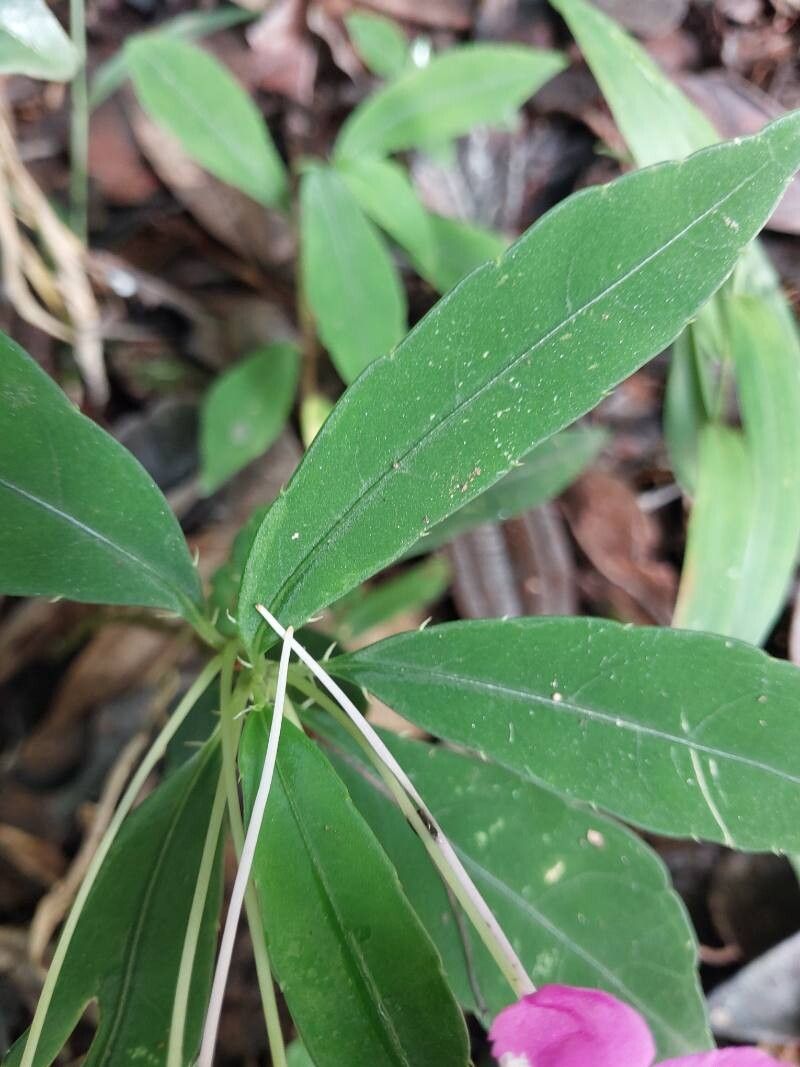
Oh, Impatiens firmula! If you’ve ever been captivated by their vibrant blossoms and lush, cascading foliage, you’re not alone. These beauties bring such a burst of color, transforming shady corners into something truly magical. And the best part? You can easily grow more of them yourself! Propagating Impatiens firmula is incredibly rewarding, and I’m thrilled to share how I do it. For beginners, I’d say this is a wonderfully easy plant to get started with. You’ll be amazed at how quickly you can fill your garden or a friend’s with these delightful flowers.
The Best Time to Start
The sweet spot for propagating Impatiens firmula is when the plant is actively growing. This usually means late spring or early summer. You want to work with healthy, vigorous stems. Trying to propagate from a plant that’s stressed or has been through a cold spell just won’t give you the best results. Think of it as choosing the freshest ingredients for a recipe!
Supplies You’ll Need
Before we dive in, let’s gather our tools. Having everything ready makes the process so much smoother:
- Sharp pruning shears or a clean craft knife: For making clean cuts.
- Rooting hormone (optional but recommended): Helps speed up root development.
- Small pots or seed trays: Clean and with drainage holes.
- Well-draining potting mix: I like a blend of equal parts peat moss, perlite, and a little bit of compost.
- Watering can or spray bottle: For gentle watering.
- Clear plastic bags or a propagation dome: To create a humid environment.
- Dibber or pencil: To make holes for cuttings.
Propagation Methods
My favorite way to propagate Impatiens firmula is through stem cuttings. It’s super reliable and gives you new plants relatively quickly.
- Select Your Cuttings: Look for a healthy, mature Impatiens firmula plant. Choose stems that are green and leafy, about 4-6 inches long. Avoid any woody or flowering stems. Using your sharp pruning shears, make a clean cut just below a leaf node (where a leaf attaches to the stem).
- Prepare the Cuttings: Gently strip off the lower leaves, leaving just a few sets of leaves at the top. This prevents them from rotting when you put them in the soil or water. If your cuttings are on the larger side, you can even pinch off the top bud to encourage bushier growth later on.
- Rooting Hormone (If Using): Dip the cut end of each stem into your rooting hormone. Tap off any excess. This step is like giving your cuttings a little boost to start their root-growing journey.
- Planting the Cuttings:
- In Potting Mix: Use your dibber or pencil to create small holes in your prepared potting mix. Gently insert the cut end of each stem into the hole, ensuring the lowest leaf nodes are buried. Firm the soil lightly around the base of the cutting.
- In Water: If you prefer water propagation, simply place the prepared cuttings in a clean jar or glass filled with water. Make sure no leaves are submerged in the water.
- Create a Humid Environment: Whether planted in soil or water, cover your pots or jar with a clear plastic bag or a propagation dome. This traps humidity, which is crucial for cuttings to root. If using a bag, use stakes to keep it from touching the leaves.
The “Secret Sauce” (Pro Tips)
Here are a couple of tricks I’ve picked up over the years that really make a difference:
- Don’t Let the Leaves Touch the Water: This is a big one for water propagation or if you water your potted cuttings from above. Any leaf sitting in stagnant water is a prime candidate for rot. Keep those leaves high and dry!
- Bottom Heat is Your Friend: If you’re serious about propagation, especially if the weather is a bit cooler, a heat mat placed under your pots can work wonders. It mimics the warmth of spring and encourages those roots to develop much faster.
Aftercare & Troubleshooting
Once your cuttings have been potted or placed in water, keep them in bright, indirect light. Don’t let them dry out, but also avoid waterlogging. If you’re using the plastic bag method, open the bag for a few minutes each day to allow for air circulation and prevent fungal issues.
You’ll know your cuttings are rooting when you see tiny white roots emerging from the bottom of the pot, or if they start to feel a bit more resistant when you gently tug on them. For water cuttings, you’ll see roots dangling in the water. Once you have a good network of roots, usually after a few weeks, you can transplant them into slightly larger pots or directly into their permanent garden location (after hardening them off, of course!).
Keep an eye out for signs of trouble. Rot is the most common culprit. If your cuttings turn black and mushy, it’s usually a sign of too much moisture and not enough air circulation. Unfortunately, these are usually lost, so it’s better to prevent it from happening in the first place!
A Encouraging Closing
Propagating Impatiens firmula is a wonderfully hands-on way to connect with your plants. Be patient with your little cuttings; sometimes they take their time. Celebrate every little root you see! It’s a journey of growth, and soon you’ll have a whole new collection of these cheerful blooms to enjoy. Happy growing!
Resource:
https://identify.plantnet.org/k-world-flora/species/Impatiens%20firmula%20Baker/data