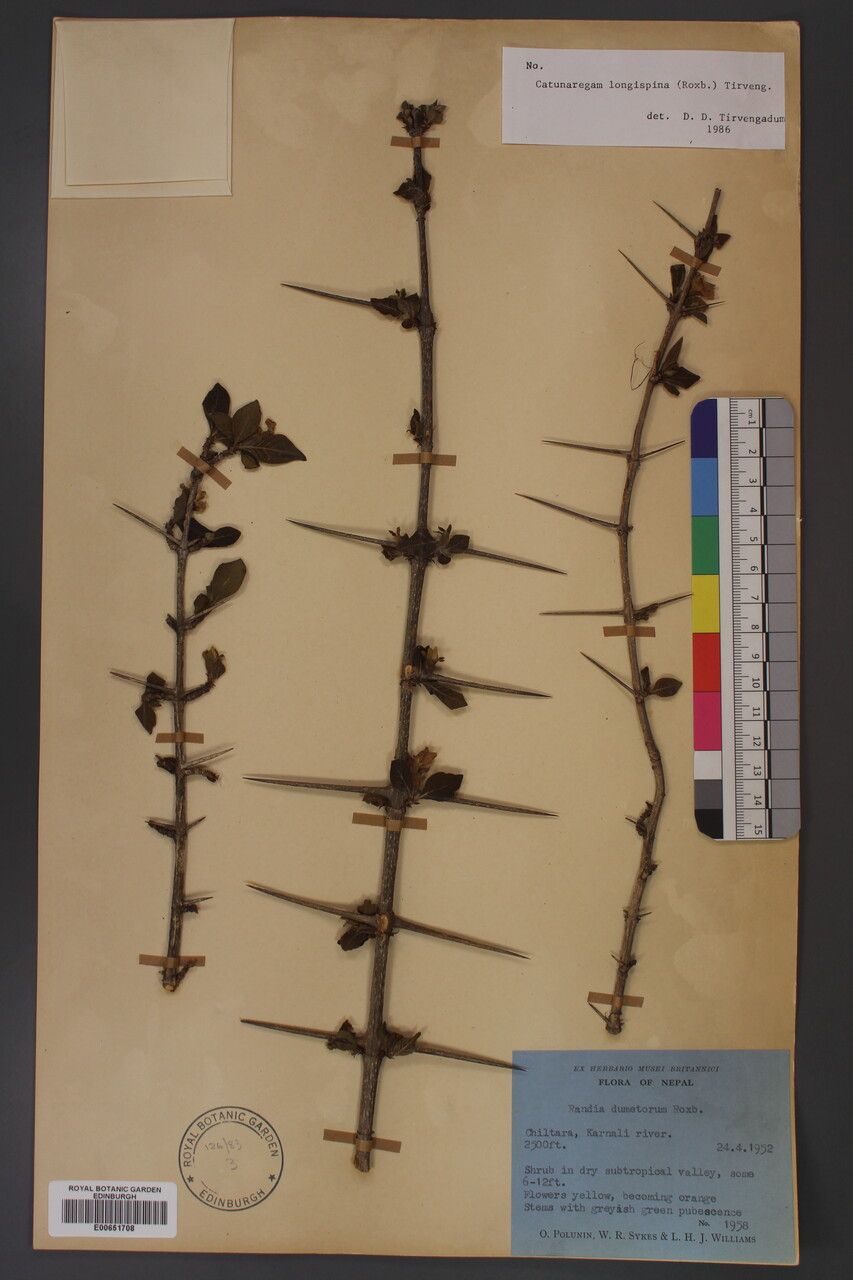
Oh, hello there! Pull up a chair and let’s talk about something truly special: Catunaregam longispina. I’ve been growing and admiring this thorny beauty for years, and honestly, its appeal is multifaceted. For starters, it’s got this wonderful, somewhat wild charm, and those fragrant white flowers are a delight. Plus, the prospect of coaxing new life from a single cutting or division? That’s pure gardening magic, if you ask me. Now, for beginners, I’d say Catunaregam longispina falls into the “moderately rewarding” category. It’s not as straightforward as a pothos, but with a little attention, you’ll be celebrating success.
The Best Time to Start
My favorite time to get propagating this plant is late spring to early summer. This is when the plant is actively growing and has plenty of energy to put into those new roots. You can also have good luck with cuttings taken in early autumn, before the cooler weather really sets in, but spring and early summer are usually your best bet for a quick strike. Look for healthy, non-flowering stems.
Supplies You’ll Need
Here’s what I gather before I get my hands dirty:
- Sharp Pruning Shears or a Clean Knife: Sterilized, of course!
- Rooting Hormone: A powder or gel form works well.
- Well-Draining Potting Mix: I like a mix of peat moss, perlite, and a bit of compost. Commercial cactus/succulent mixes are also a good starting point.
- Small Pots or Seedling Trays: Clean ones are essential to prevent disease.
- Clear Plastic Bags or a Propagator Lid: To create a humid environment.
- Water: For misting and watering.
- A Small Dibber or Pencil: For making planting holes.
Propagation Methods
Let’s get to the good stuff! My go-to method for Catunaregam longispina is taking stem cuttings.
Stem Cuttings:
- Select Your Cutting: Find a healthy, mature stem about 4-6 inches long. Look for a section that’s semi-hardwood, meaning it’s not brand new and floppy but also not woody and old.
- Make the Cut: Using your sterilized shears or knife, make a clean cut just below a leaf node (where a leaf attaches to the stem). This is where the magic of rooting usually happens.
- Prepare the Cutting: Gently remove the leaves from the bottom half of the cutting. You want to expose those nodes. If the upper leaves are very large, you can cut them in half to reduce water loss through transpiration.
- Apply Rooting Hormone: Dip the cut end into your rooting hormone, tapping off any excess.
- Plant Your Cutting: Fill your clean pot with moistened potting mix. Use your dibber or pencil to make a hole, then carefully insert the cutting. Gently firm the soil around the base.
- Create Humidity: Water gently at the base. Then, cover the pot with a clear plastic bag or place it under a propagator lid. This is crucial for keeping the humidity high, which prevents the cutting from drying out before it roots.
The “Secret Sauce” (Pro Tips)
Here are a couple of things I’ve learned that really make a difference:
- Don’t Let Leaves Touch the Water: If you’re ever tempted to try water propagation (which can be trickier for this plant unless it’s just a very short rooting dip), make absolutely sure that no leaves are submerged. Rot can set in so fast. For stem cuttings in soil, this isn’t as much of an issue, but it’s good practice to keep leaves above the soil line.
- Bottom Heat is Your Friend: If you have it, placing your pots on a gentle seedling heat mat can significantly speed up rooting. It warms the soil and encourages those roots to form more efficiently. It’s like giving your cuttings a cozy, warm bed to grow in!
Aftercare & Troubleshooting
Once your cuttings have been planted, place them in a bright spot that doesn’t get direct, harsh sunlight. Keep the soil consistently moist but not waterlogged. You’ll want to open the plastic bag or lid for a few minutes each day to allow for some air circulation and prevent fungal issues.
You’ll know your cutting has rooted when you see new growth appearing. You can also give it a gentle tug – if you feel resistance, roots have formed! Once rooted, you can gradually acclimate it to normal room humidity by slowly opening the bag or lid over a week.
The most common problem you’ll encounter is rot, which usually happens when the soil is too wet and there’s not enough air circulation. If you see your cutting turning black or mushy, it’s usually a sign that you need to start over with a fresh cutting and a drier soil mix. Don’t be discouraged; it happens to all of us!
A Encouraging Closing
Propagating plants is a journey, and with Catunaregam longispina, it’s a rewarding one. Be patient with your cuttings. Sometimes they take their sweet time, and that’s perfectly okay. Enjoy the process of nurturing these new beginnings, and soon you’ll have plenty of these lovely plants to share or admire. Happy growing!
Resource: