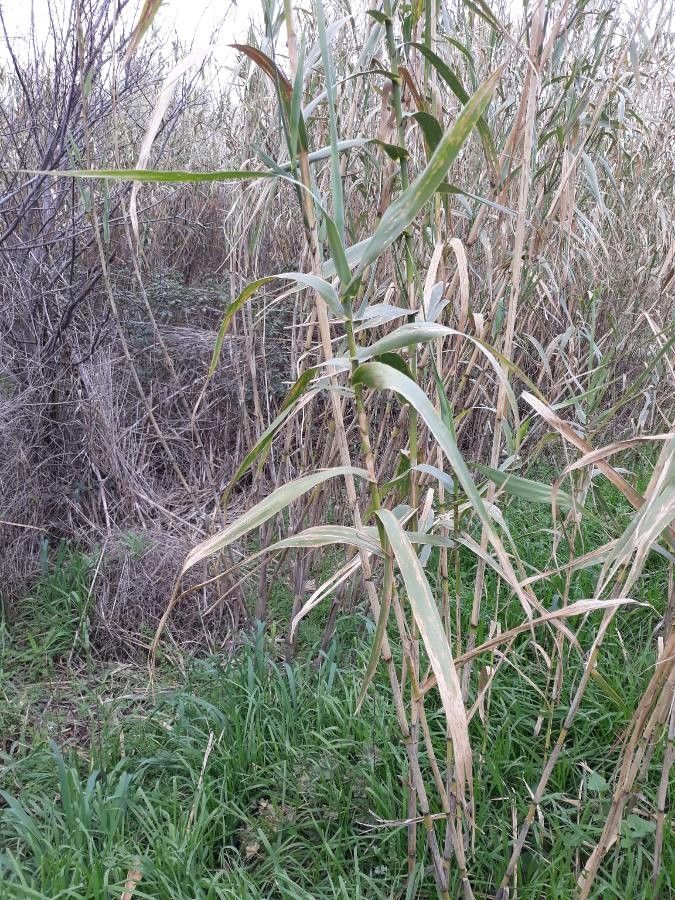
Hello fellow garden enthusiasts! Today, I want to talk about a little gem that has truly captured my heart over the years: Festuca halleri, or Haller’s Fescue. This native grass is simply stunning. Think delicate, arching blue-green blades that shimmer in the sun. It brings this wonderful texture and movement to any garden, and honestly, it’s quite low-maintenance once established.
There’s a special kind of joy in creating new plants from something you already love. It’s like sharing a secret with nature, and with Festuca halleri, it’s surprisingly manageable. If you’re just starting out on your propagation journey, I’d say this is a fantastic plant to begin with. It’s not overly fussy, which is always a good sign for us hobbyists looking for success!
The Best Time to Start
For Festuca halleri, the sweet spot for propagation is late spring through early summer. This is when the plant is actively growing and has plenty of energy to put towards developing new roots. You’ll want to work with healthy, established clumps. If you’re dividing, wait until after it has bloomed; if you’re taking cuttings, aim for the fresh new growth.
Supplies You’ll Need
Gathering your supplies beforehand makes the whole process smoother. Here’s what I always have on hand:
- Sharp, clean pruning shears or a small trowel: For making clean cuts or lifting clumps.
- Well-draining potting mix: I like a blend of peat moss, perlite, and a bit of compost. For grasses, good drainage is key!
- Small pots or seedling trays: Enough to accommodate your new divisions or cuttings.
- Rooting hormone (optional but recommended for cuttings): A powdered or gel form helps speed things along.
- Watering can or spray bottle: For gentle moisture.
Propagation Methods
Festuca halleri is most easily propagated through division. This method is straightforward and very effective for clumping grasses.
Division Steps:
- Preparation: Water your Festuca halleri plant well a day or two before you plan to divide. This helps keep the soil moist and makes it easier to lift the root ball.
- Extraction: Gently dig around the perimeter of the clump with your trowel or spade. Carefully lift the entire plant from the soil. If it’s a very large clump, you might need to work it loose from the sides.
- Separation: Once the plant is out of the ground, you have a few options. You can use your hands to gently pull the clump apart, or for tougher root systems, use your clean pruning shears or even a sharp spade. Aim to create sections that have both healthy foliage and a good amount of root structure. Don’t be afraid to be a little firm; grasses are resilient!
- Replanting: Immediately replant your divisions into their new homes. Ensure they are planted at the same depth they were previously. Water them thoroughly to settle the soil around the roots.
If you’re feeling adventurous and want to try cuttings, it’s certainly possible, though division is usually simpler for this grass.
Stem Cutting Steps (Less Common for this Grass, but Possible):
- Selection: Take cuttings from healthy, new growth in late spring. Look for stems that are about 4-6 inches long and haven’t flowered yet.
- Preparation: Using your sharp shears, make a clean cut just below a leaf node. Remove the lower leaves, leaving just a few at the top.
- Rooting Hormone: Dip the cut end into rooting hormone powder or gel.
- Planting: Insert the cuttings into small pots filled with your well-draining potting mix.
- Environment: Keep the pots in a warm, bright spot away from direct sun. You can cover them with a plastic bag or dome to maintain humidity, but make sure the leaves don’t touch the moist plastic.
The “Secret Sauce” (Pro Tips)
Here are a couple of little tricks I’ve learned over the years that can really boost your success:
- Don’t be afraid of a little shade: While Festuca halleri loves sun, newly divided or potted plants often appreciate being in a spot that gets some afternoon shade for the first week or two. This helps prevent them from drying out too quickly while they establish.
- Patience with divisions: When dividing, aim to make sections that are at least golf-ball sized with roots. Trying to divide too finely can result in the sections being too weak to survive. Bigger, healthier chunks transplant better.
Aftercare & Troubleshooting
Once your divisions or cuttings are planted, they’ll need a little TLC.
- Water regularly: Keep the soil consistently moist but not waterlogged. A good watering followed by letting the top inch of soil dry out is usually ideal.
- Monitor for success: For divisions, you’ll see new leaf growth emerge within a few weeks. For cuttings, look for any new shoots or a gentle tug on a leaf that indicates roots have formed.
- Common issues: The biggest culprit for new plants is overwatering, which can lead to rot. If you see yellowing leaves that aren’t new growth, or a mushy stem at the soil line, you might be overdoing the water. Ensure your pots have drainage holes! Another sign of trouble is a plant that wilts and doesn’t bounce back after watering – this can indicate damage to the roots during propagation or that it’s simply not rooting and drying out.
A Little Encouragement
Propagating plants is a journey, not a race. Enjoy the process of nurturing something new. Be patient, observe your little Festuca halleri babies, and celebrate those tiny signs of growth. You’ve got this, and soon you’ll have even more of that beautiful blue-green magic in your garden! Happy planting!
Resource:
https://identify.plantnet.org/k-world-flora/species/Festuca%20halleri%20All./data