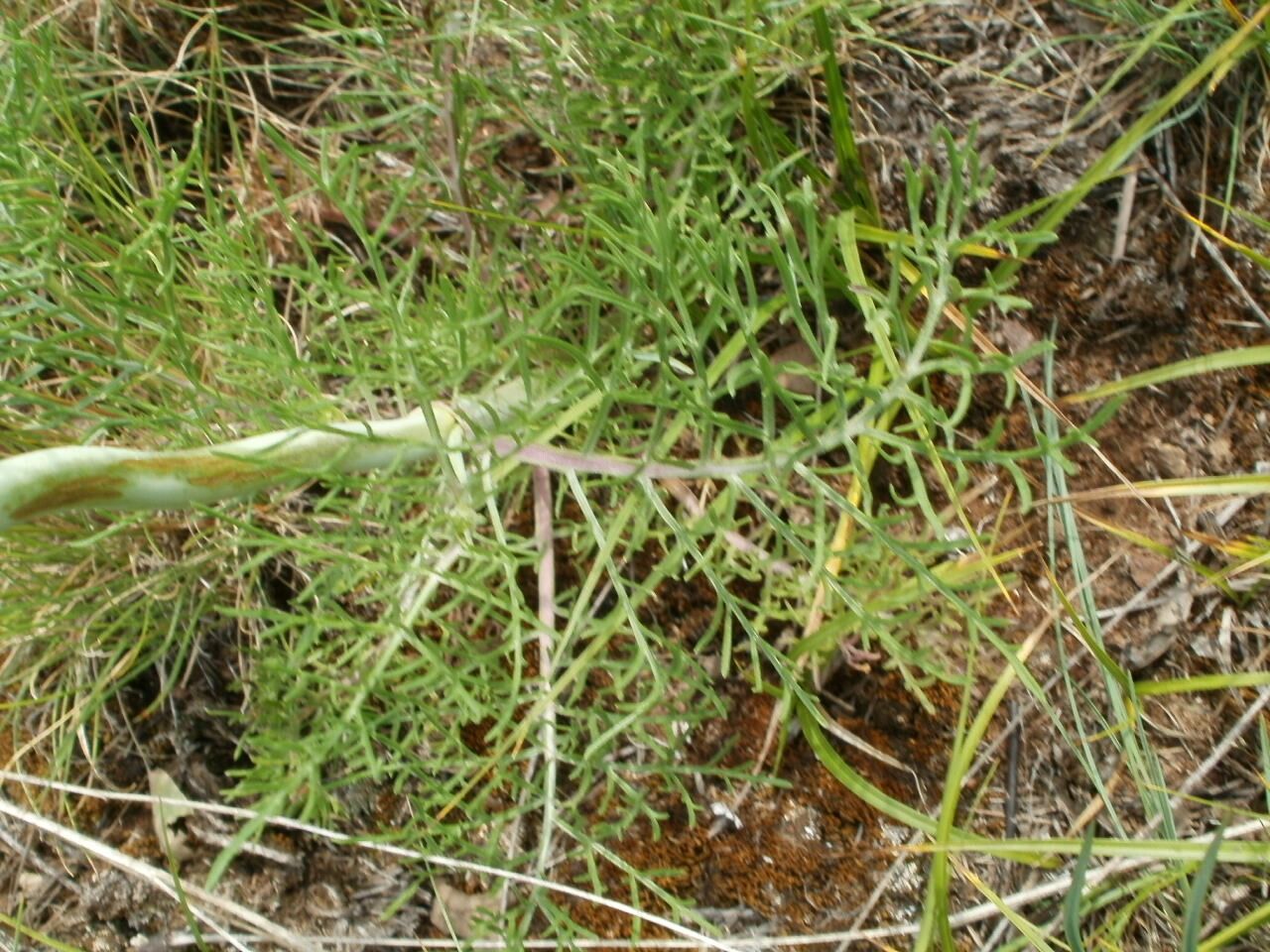
Oh, Scabiosa triniifolia! Isn’t she a beauty? Those delicate, airy blooms just dance in the breeze, like little sapphire pincushions. If you’ve ever admired these charming flowers and thought, “I wish I had more of those,” you’re in for a treat. Propagating Scabiosa triniifolia is a wonderfully rewarding endeavor that allows you to multiply your garden’s charm. For beginners, I’d say it’s moderately easy – a little patience and a few key steps will see you through.
The Best Time to Start
For the best chance of success, I like to get started with cuttings in late spring or early summer. This is when the plant is actively growing and has plenty of healthy, non-flowering stems to work with. You can also try this in early autumn, but the growth rate will be slower. Always aim for softwood or semi-hardwood cuttings; these are more pliable and root more readily than old, woody stems.
Supplies You’ll Need
Gathering your tools beforehand makes the whole process so much smoother. Here’s what I usually have on hand:
- Sharp Pruning Shears or a Knife: Cleanliness is key to preventing disease.
- Rooting Hormone (Optional but Recommended): This gives your cuttings a little boost. Look for one with a good balance of auxins.
- Small Pots or Seedling Trays: Clean thoroughly!
- Well-Draining Potting Mix: A good blend of perlite, peat moss, and a little compost works wonders. You can also find commercially available seedling or cutting mixes.
- Watering Can with a Fine Rose: Gentle watering is a must.
- Plastic Bags or a Humidity Dome: To keep your cuttings from drying out while they root.
- Labels: So you don’t forget what you’ve planted!
Propagation Methods: Stem Cuttings
This is my go-to method for Scabiosa triniifolia. It’s straightforward and generally yields excellent results.
- Take Your Cuttings: Using your sharp shears, select healthy, non-flowering shoots from your parent plant. Make a clean cut just below a leaf node (where the leaves join the stem). Your cuttings should be about 3-4 inches long. Remove the lower leaves, leaving just the top few to help with photosynthesis.
- Prepare the Cuttings: Dip the cut end of each stem into a small amount of rooting hormone, tapping off any excess.
- Plant the Cuttings: Fill your small pots or trays with your prepared potting mix. Make a small hole in the center of each pot with a pencil or your finger. Gently insert the cutting into the hole, ensuring the leaf nodes you removed are below the surface of the soil. Firm the soil gently around the stem.
- Provide Humidity: Water the soil thoroughly but gently. Then, cover the pots with a clear plastic bag, securing it with a rubber band, or place them under a humidity dome. Make sure the plastic doesn’t touch the leaves too much.
- Find a Spot: Place your pots in a bright location that receives indirect light. Avoid direct sun, as this can scorch the delicate cuttings. A warm spot is ideal.
The “Secret Sauce” (Pro Tips)
Here are a few little tricks I’ve picked up over the years that really make a difference:
- The “Heel” Trick: Sometimes, when taking cuttings, I like to take a piece from a slightly older stem that has a tiny sliver of the main stem attached – this is called a “heel.” It can sometimes encourage faster root development. Just be sure to trim any ragged edges.
- Bottom Heat is Your Friend: If you have a propagator with a heating element, using it is fantastic. Scabiosa triniifolia cuttings benefit greatly from a consistent warmth at their base, which encourages root formation even when the air temperature is a bit cooler.
- Don’t Over-Water: This is a big one! While humidity is crucial, soggy soil is the fastest way to invite rot. Allow the very top layer of soil to dry out slightly between waterings, but don’t let the cuttings wilt completely.
Aftercare & Troubleshooting
Once your cuttings have started to root – you’ll usually see little roots peeking out of the drainage holes or feel some resistance when you gently tug on the stem – it’s time for a little less humidity. Gradually remove the plastic bag or open vents on your humidity dome over a week or so. Continue to water them carefully.
The most common sign of failure is rot. If a cutting turns black and mushy, it’s best to discard it to prevent it spreading to others. This usually happens from overwatering or poor air circulation. If your cuttings look wilting and dry, they might have succumbed to dehydration – ensure your humidity dome is working effectively.
A Encouraging Closing
And there you have it! Propagating Scabiosa triniifolia is a journey, and like any garden project, it’s about the process and the learning. Be patient with your little green babies, and don’t be discouraged if not every cutting makes it. The satisfaction of watching those new plants grow and eventually bloom is truly unmatched. Happy gardening!
Resource:
https://identify.plantnet.org/k-world-flora/species/Scabiosa%20triniifolia%20Friv./data