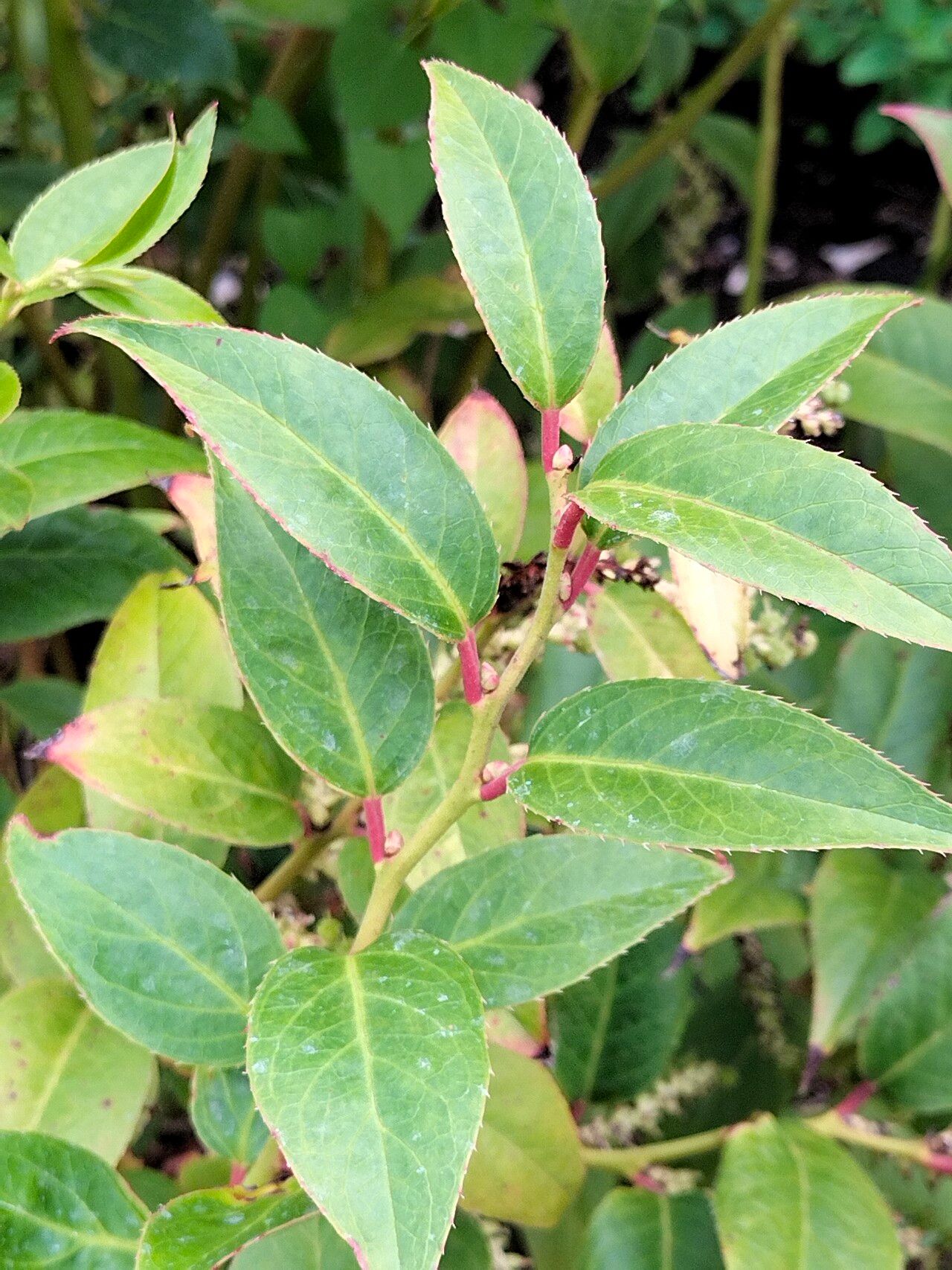
Hey there, fellow plant lovers! I’m so excited to chat with you today about a truly charming shrub that really brightens up shady corners: Leucothoe axillaris, commonly known as Coast Leucothoe or Drooping Leucothoe. With its glossy, dark green leaves that often turn a beautiful bronze in winter and delicate, fragrant white bell-shaped flowers cascading in spring, it’s a real gem for any garden.
One of the most rewarding parts of gardening, in my book, is being able to create more of the plants we adore. Propagating Leucothoe axillaris is a fantastic way to fill out your existing plantings or share these beauties with friends. And if you’re new to the world of propagation, I’m happy to report that this plant is pretty forgiving, making it an excellent choice for beginners looking to dip their toes in!
The Best Time to Start
For the highest success rate with Leucothoe axillaris, I always recommend working with softwood cuttings taken in late spring or early summer. This is when the plant is actively growing, and the new stems are flexible but not yet woody. You’ll be able to get nice, pliable pieces that root much more readily than older, harder wood.
Supplies You’ll Need
Here’s what you’ll want to have on hand before you get started:
- Sharp Pruning Shears or a Knife: Clean cuts are crucial for preventing disease.
- Rooting Hormone Powder or Gel: This isn’t strictly essential, but it does give your cuttings a significant advantage.
- Small Pots or Seedling Trays: Make sure they have drainage holes!
- Well-Draining Potting Mix: A good blend of peat moss, perlite, and a bit of compost works wonders. I often use a 50/50 mix of a standard potting soil and perlite.
- Plastic Bags or a Clear Propagator Lid: This will create a humid environment for your cuttings.
- Watering Can with a Fine Rose: For gentle watering.
- Labels and a Marker: To keep track of what you’ve planted and when!
Propagation Methods: Stem Cuttings
This is my go-to method for Leucothoe axillaris. It’s reliable and yields great results.
- Take Your Cuttings: Head out to your plant on a mild, overcast day if possible. Select healthy, vigorous stems that are about 4-6 inches long. Using your clean shears, make a clean cut just below a leaf node (that little bump where a leaf attaches to the stem). Remove any lower leaves, leaving just a couple at the very top. If the leaves are quite large, I sometimes even snip them in half horizontally to reduce water loss.
- Apply Rooting Hormone: Dip the cut end of each stem into the rooting hormone, making sure it’s coated all around. Tap off any excess. This step really helps to stimulate root development.
- Plant Your Cuttings: Fill your small pots or trays with your prepared potting mix. Make a small hole in the center of each pot with your finger or a pencil. Gently insert the cutting into the hole, ensuring that the bottom leaf nodes are buried in the soil. Firm the soil gently around the stem.
- Water and Cover: Water the soil thoroughly until water drains from the bottom of the pot. Then, place the potted cuttings inside a plastic bag or cover them with a clear propagator lid. This will create a mini-greenhouse effect, keeping the humidity high, which is essential for cuttings to root. Seal the bag or lid.
The “Secret Sauce” (Pro Tips)
Over the years, I’ve learned a few little tricks that can make a big difference:
- Bottom Heat is Your Friend: If you happen to have a heated propagator mat, using it can significantly speed up the rooting process. A little gentle warmth from below encourages those roots to get going.
- Keep it Out of Direct Sun: While you want bright, indirect light, direct sunlight will scorch your delicate cuttings and dry them out too quickly. Find a bright spot, but be sure it’s protected from harsh rays.
- Don’t Disturb Too Soon: Resist the urge to peek and pull at your cuttings to see if they’ve rooted. Be patient! It can take anywhere from 4-8 weeks, sometimes longer, for roots to develop sufficiently.
Aftercare & Troubleshooting
Once you start to see new leaf growth on your cuttings, that’s a great sign that roots are forming! You can gently tug on a stem – if you feel resistance, they’ve taken hold.
At this point, you can gradually acclimate your new plants to lower humidity. Start by opening the plastic bag or propagator lid for a few hours each day, slowly increasing the time until it’s removed entirely. Continue to keep the soil consistently moist but not waterlogged.
The most common issue you’ll face is rot. This usually happens if the cuttings are too wet and not getting enough air circulation, or if the potting mix is too dense. If you see a stem turning black or mushy, sadly, it’s unlikely to recover. Remove it promptly to prevent it from affecting other cuttings. Good drainage and a light potting mix are your best defenses against rot.
A Gentle Encouragement
Propagating plants is a journey, and like any good garden project, it rewards patience and a little bit of love. Don’t be discouraged if every cutting doesn’t make it – that’s part of the learning curve! Enjoy the process of nurturing these new little lives, and soon you’ll have a beautiful abundance of Leucothoe axillaris to enjoy. Happy growing!
Resource:
https://identify.plantnet.org/k-world-flora/species/Leucothoe%20axillaris%20(Lam.)%20D.Don/data