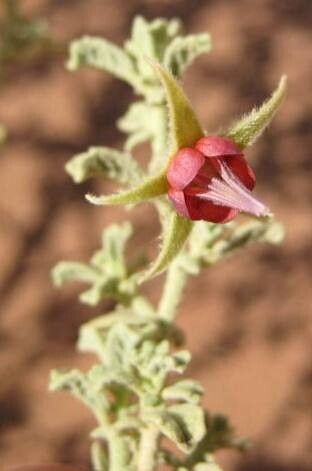
Oh, hello there! Pull up a chair and let’s chat about Hermannia minimifolia. If you’re anything like me, the charm of this little plant has already captured your heart. Those delicate, often fuzzy leaves, the way they cascade and fill out a pot – it’s just so lovely! And the best part? You can easily bring those beauties into your own home by propagating them. It’s a really satisfying process, like creating a tiny green family. While some plants can be a bit stubborn, Hermannia minimifolia is generally quite forgiving, making it an excellent choice, even if you’re just starting your propagation journey.
When to Get Your Hands Dirty
The sweet spot for propagating Hermannia minimifolia is during its active growing season. Think spring and early summer. This is when the plant has the most energy to put into developing new roots. You’ll want to take cuttings from healthy, vigorous stems that aren’t flowering. A stem that’s just finished flowering is often a good candidate, as it’s put its energy into those blooms and is ready to focus on new growth.
What You’ll Want in Your Propagation Toolkit
Gathering your supplies beforehand makes the whole process much smoother. Here’s what I usually have on hand:
- Sharp Pruning Shears or a Craft Knife: For clean cuts.
- Rooting Hormone (Optional but helpful): A powder or gel can give cuttings a boost.
- Well-Draining Potting Mix: I love a mix of perlite, coco coir, and a bit of coarse sand. You can also use a dedicated succulent or cactus mix.
- Small Pots or Seed Starting Trays: With drainage holes, of course!
- Watering Can with a Fine Rose or Spray Bottle: For gentle watering.
- Plastic Bag or Clear Dome: To create a humid environment.
- Labels and a Marker: To keep track of what you’ve planted and when.
Getting Those New Plants Started: My Go-To Methods
Hermannia minimifolia is quite adaptable, and I find a couple of methods work best.
Stem Cuttings: The Classic Approach
This is my favorite way to multiply my Hermannia plants.
- Take Your Cuttings: Choose a healthy stem that’s about 4-6 inches long. Using your sharp shears, make a clean cut just below a leaf node (where a leaf attaches to the stem).
- Prepare the Cuttings: Gently remove the lower leaves from the cutting, leaving just a few at the top. This prevents them from rotting when planted.
- Apply Rooting Hormone (If using): Dip the cut end of the stem into your rooting hormone, tapping off any excess.
- Plant Them Up: Fill your small pots with your prepared potting mix. Make a small hole in the center of the soil with your finger or a pencil.
- Insert the Cuttings: Gently place the cut end of the stem into the hole, ensuring the leaf nodes below are covered by soil. Firm the soil around the stem.
- Create Humidity: Water the soil very lightly. Then, cover the pots with a plastic bag (propped up so it doesn’t touch the leaves) or place them under a clear dome.
Water Propagation: A Visual Treat
This method lets you watch the root development, which is so rewarding!
- Select and Prepare Cuttings: Follow steps 1 and 2 from the stem cutting method.
- Place in Water: Put the cuttings in a small jar or glass of water. Make sure no leaves are submerged in the water. If they are, simply trim them off.
- Find a Spot: Place the jar in a bright location, out of direct sunlight.
- Change the Water: Change the water every few days to keep it fresh and prevent bacterial growth.
- Pot When Ready: Once the roots are about an inch long, you can carefully transfer them to soil, following steps 4-6 from the stem cutting method.
The “Secret Sauce”: Little Tricks from My Garden
Here are a couple of things I’ve learned over the years that can really help your Hermannia cuttings thrive:
- The Magic of Bottom Heat: If you have a seedling heat mat, consider placing your pots on it. This gentle warmth from below encourages root development and can significantly speed up the process. It’s especially helpful in cooler environments.
- Don’t Overwater, Ever! This is probably the most common mistake. Overwatering is the quickest way to kill a cutting. The soil should be consistently moist, but never soggy. I like to stick my finger in the soil – if it feels damp an inch down, it’s good. If it feels wet, hold off on watering.
Nurturing Your New Sprouts and What to Watch For
Once your cuttings have developed a good root system, or if you’re transplanting from water, it’s time for a little extra TLC.
- Gradual Acclimation: If you’ve been using a plastic bag or dome, gradually acclimate your new plant to the drier air. Remove the cover for a few hours each day, slowly increasing the duration over a week.
- Bright, Indirect Light: Keep your newly potted cuttings in a bright spot, but shield them from harsh, direct sunlight, which can scorch delicate new growth.
- Consistent Moisture: Water when the top inch of soil feels dry. They still need to be kept moist but not waterlogged.
Troubleshooting: The most common issue you’ll encounter is rot. If a cutting turns black or mushy, it’s usually a sign of too much moisture. Unfortunately, these cuttings are usually lost. You might also see wilting; this can be due to underwatering or shock from being transplanted. If you see yellowing leaves, it could be a sign of too much direct sun or nutrient deficiency if it’s older leaves. Don’t get discouraged if a few don’t make it – it’s all part of the learning process!
Happy Growing!
Don’t you just love watching a tiny bit of plant life take hold? Propagating Hermannia minimifolia is a journey of patience and observation. Be gentle, trust your instincts, and celebrate every little success. Before you know it, you’ll have a whole collection of these charming plants to admire and share. Happy gardening!
Resource:
https://identify.plantnet.org/k-world-flora/species/Hermannia%20minimifolia%20E.Holzh./data