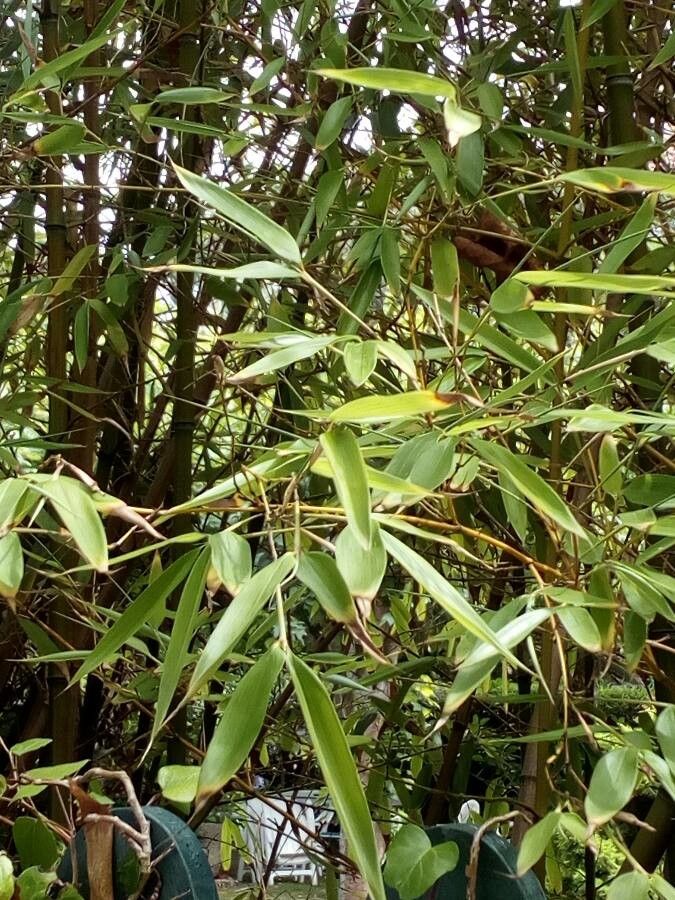
Hey there, fellow plant lovers! If you’ve ever admired those gorgeous clumps of Bambusa multiplex, you’re not alone. This charming bamboo, often called “multiplex” for its wonderful abundance of canes, brings such a lively, green feel to any space. And the best part? It’s surprisingly easy to share that green magic with others! Propagating it yourself is incredibly rewarding, like growing a little piece of your garden into something new. If you’re new to plant propagation, you’ll be happy to know Bambusa multiplex is a fantastic choice to start with.
The Best Time to Start
My favorite time to get propagating is in late spring or early summer. This is when the plant is really showing off its growth spurt, meaning it has plenty of energy to put into developing new roots. You can also have success with divisions in early spring before things really get going, but for stem cuttings, the warmer months are your best bet.
Supplies You’ll Need
Here’s what I find makes the process smoother:
- Sharp Pruning Shears or a Saw: Clean cuts are key!
- Rooting Hormone (Optional but Recommended): A little boost can go a long way.
- Well-Draining Potting Mix: A good blend of perlite, coco coir, and a bit of compost works wonders. You don’t want anything too heavy that holds onto too much water.
- Pots or Trays: For starting your new plants.
- Plastic Bag or Humidity Dome: To keep things nice and moist.
- Watering Can or Spray Bottle: For gentle watering.
- Labels: So you remember what you’ve propagated!
Propagation Methods
There are a couple of ways to go about this, and both are pretty straightforward.
Stem Cuttings
This is my go-to for expanding my collection.
- Select Your Cane: Look for healthy, mature canes that are at least pencil-thick. Don’t choose brand new, bright green shoots.
- Make Your Cuts: Using your sharp pruning shears, cut a piece of cane about 6-10 inches long. Aim to have at least two or three nodes (the little bumps where leaves or branches emerge) on your cutting. Make one cut just above a node and another a couple of inches below the lowest node.
- Prepare the Cutting: Gently remove any lower leaves, leaving just one or two at the top. If you’re using rooting hormone, dip the cut end into it, tapping off any excess.
- Plant the Cutting: Stick the cut end into your well-draining potting mix, ensuring the lowest node is buried. If you have multiple cuttings, space them out.
- Create Humidity: Lightly water the soil and then cover the pot or tray with a plastic bag or humidity dome. This is crucial for keeping the cutting from drying out. Place it in a bright spot, but out of direct sunlight.
Division
This is best done when you have an established clump that’s getting a bit crowded.
- Carefully Excavate: Using a sharp spade or, if the clump is large, a small saw, carefully dig around the edge of the clump. You want to expose the rhizomes (the underground stems).
- Divide the Clump: Gently pull or cut sections of the rhizome that have at least one or two healthy culms (the individual bamboo stems) attached. Try to get some root attached too.
- Replant: Immediately replant the divided sections into their own pots filled with well-draining potting mix or back into the ground in a new location. Water them thoroughly.
The “Secret Sauce” (Pro Tips)
Here are a couple of things I’ve learned over the years that really up the success rate:
- Bottom Heat is Your Friend: Especially for stem cuttings, placing your pots on a heat mat designed for seedlings can make a huge difference. Bamboo loves warmth, and this encourages those roots to form much faster.
- The “Shake Test”: After about 4-6 weeks, you can gently tug on a cutting. If you feel resistance, it means roots are forming! Don’t be tempted to keep digging it up to check – resist the urge!
- Cleanliness is King: Always use clean tools and pots. It might seem like a small thing, but it prevents the spread of any fungal diseases that can easily take hold of a stressed cutting.
Aftercare & Troubleshooting
Once your cuttings have rooted (you’ll see new leaf growth, which is a great sign!), it’s time to start treating them like small plants.
- Gradual Acclimation: If you used a plastic bag or dome, gradually introduce your new plant to the open air over a week or so. Poke a few holes in the bag, then remove it for longer periods each day.
- Watering: Keep the soil consistently moist but not waterlogged. As the plant grows, you can water less frequently but more deeply.
- Light: Continue to provide bright, indirect light. As it grows stronger, you can slowly introduce it to more direct sun.
The most common issue you might encounter is rot. This usually happens when the soil stays too wet for too long. If you see a cutting turning yellow and mushy, unfortunately, it’s likely a goner. Don’t get discouraged, though! Just clean out the pot and try again, perhaps with a different cutting or by adjusting your watering schedule.
A Little Patience Goes a Long Way
Watching a new bamboo plant emerge from a tiny cutting or a division is such a satisfying feeling. Remember, nature works on its own timeline. Be patient, give your new bamboo the right conditions, and enjoy the rewarding journey of growing your own green oasis. Happy propagating!
Resource: