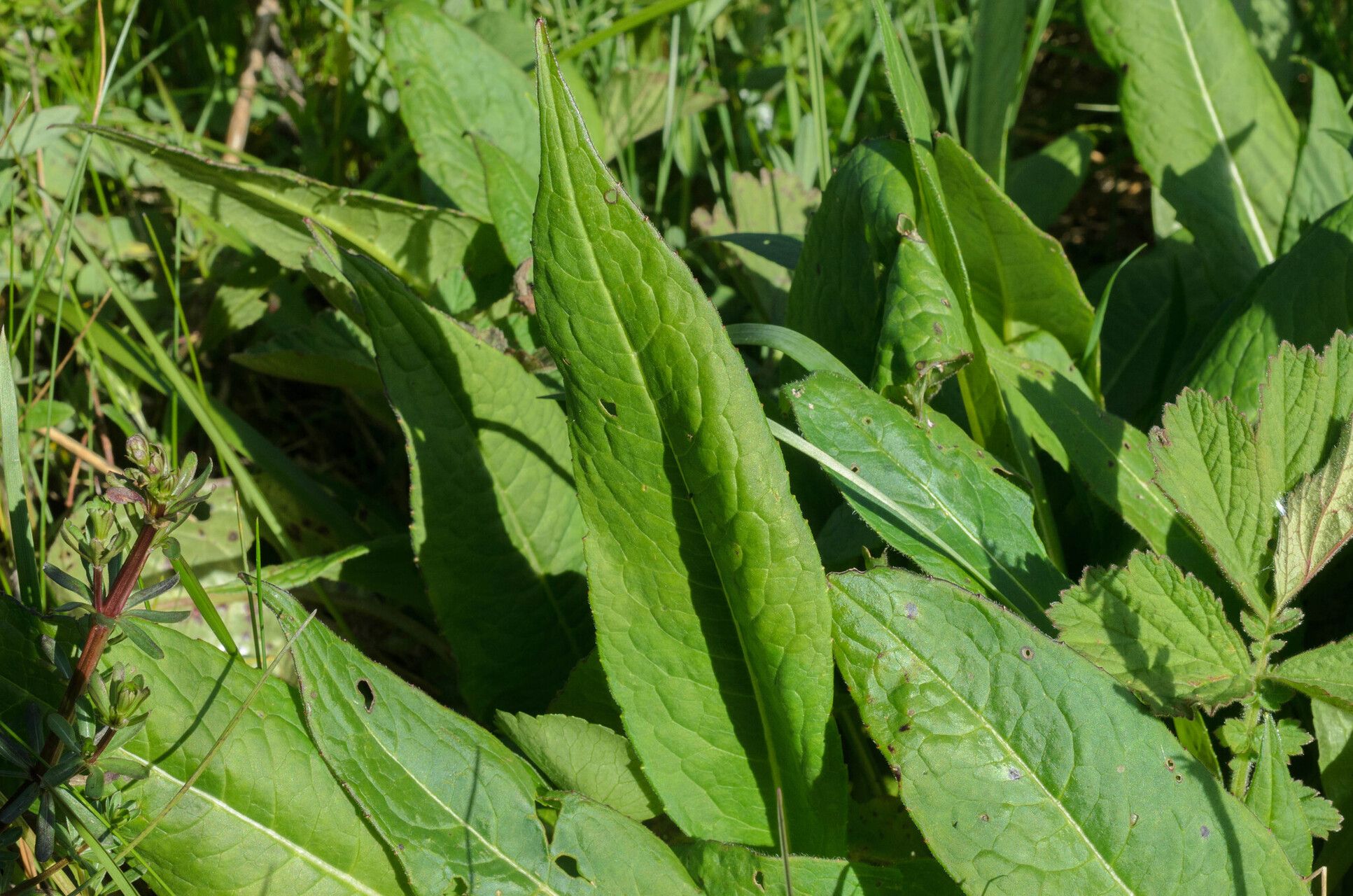
Hello fellow garden lovers! Today, we’re going to talk about a plant that’s brought so much charm to my own garden: Knautia godetii. You know, these lovely pincushion-like blooms in shades of soft purple and dusky pink? They’re just gorgeous, attracting pollinators like a magnet and adding a touch of airy elegance to borders. If you’ve fallen for their understated beauty like I have, you’ll be thrilled to know that propagating Knautia godetii is absolutely achievable. While it’s not quite as straightforward as, say, a succulent, it’s far from impossible. With a little patience and the right approach, you’ll be well on your way to a garden brimming with these delightful flowers!
The Best Time to Start
For Knautia godetii, late spring to early summer is your sweet spot. This is when the plant is actively growing, and young, vigorous stems are readily available. You want to be looking for healthy, non-flowering shoots. Trying to take cuttings in the heat of mid-summer or when the plant is stressed is just setting yourself up for disappointment.
Supplies You’ll Need
Gathering your tools beforehand makes the whole process smoother. Here’s what I usually have on hand:
- Sharp pruning shears or a clean knife: For making clean cuts.
- Potting mix: A good quality, well-draining potting mix is essential. I often add a good handful of perlite or coarse sand to improve drainage even further.
- Small pots or seed trays: Clean pots are key to preventing diseases.
- Rooting hormone (optional but helpful): A hormone powder or gel can really give your cuttings a boost.
- Watering can or spray bottle: For gentle watering.
- Plastic bags or propagation dome: To maintain humidity.
- Labels: To keep track of what you’ve planted!
Propagation Methods: Stem Cuttings
This is my go-to method for Knautia godetii. It’s reliable and gives you the best chance of success.
- Select Your Cuttings: Head out in late spring or early summer. Look for young, healthy stems that are about 4-6 inches long. Gently snap or cut a stem just below a leaf node (where the leaves attach to the stem).
- Prepare the Cuttings: Remove the lower leaves from the stem, leaving just a few at the top. This prevents them from rotting when you plant them. If your cutting has any flower buds, pinch those off too – the plant’s energy should go into root development, not flowering.
- Apply Rooting Hormone (Optional): If you’re using it, lightly dip the cut end of the stem into the rooting hormone, tapping off any excess.
- Plant Your Cuttings: Make small holes in your prepared potting mix (remember, good drainage!). Insert the cut end of each stem into the hole, ensuring the leaf nodes are buried. Gently firm the soil around the cutting.
- Water Gently: Water the soil thoroughly but gently, allowing excess water to drain away.
- Create a Humid Environment: This is crucial. Place the pots in a plastic bag or cover them with a propagation dome. This creates a mini-greenhouse effect, keeping the humidity high, which is vital for cuttings to root. Make sure the leaves aren’t touching the plastic if possible.
The “Secret Sauce” (Pro Tips)
Here are a few things I’ve learned over the years that can really make a difference:
- Bottom Heat: If you have a heat mat, placing your pots on it can significantly speed up root formation for many plants, including Knautia. It mimics the warmth of spring soil.
- Don’t Overwater! It sounds counterintuitive, but soggy soil is the fastest way to kill your cuttings, leading to rot. Let the top inch of soil dry slightly between waterings.
- Be Patient with Dormancy: Sometimes, a cutting might look like it’s not doing anything for weeks. Don’t give up too soon! Give them time; roots can form slowly. I often find that my Knautia cuttings take their sweet time.
Aftercare & Troubleshooting
Once you start to see new growth appearing, that’s a great sign! Gently pull on a cutting. If you feel resistance, it means roots have formed.
- Gradually Acclimatize: Once roots are established, slowly introduce your new plants to drier air. Open the plastic bag a little each day for a few days.
- Transplant: When the cuttings are a good size and have a decent root system, you can pot them up into their own small pots. Continue to keep them in a sheltered spot.
- Signs of Trouble: The biggest issue you’ll face is rot. If your cutting turns black or mushy, it’s likely rotted. This is usually due to too much moisture. If you see this, remove the affected cutting immediately to prevent it from spreading. Yellowing leaves can sometimes indicate insufficient light or overwatering.
And there you have it! Propagating Knautia godetii is a rewarding journey that connects you even more deeply with your garden. Don’t be discouraged if not every cutting takes – gardening is about learning and adapting. Enjoy the process, observe your little plants, and soon you’ll have a whole new generation of these beautiful bloomers to share. Happy propagating!
Resource:
https://identify.plantnet.org/k-world-flora/species/Knautia%20godetii%20Reut./data