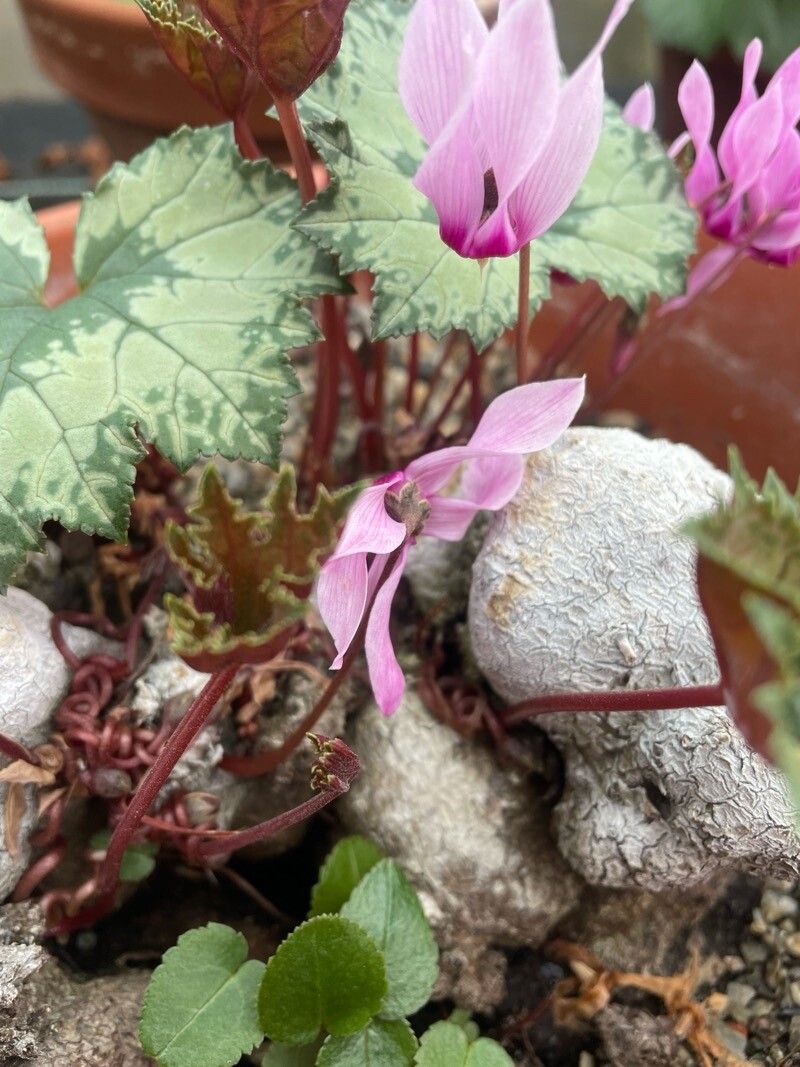
Oh, blooming beauties! Today, we’re diving into the wonderful world of propagating Cyclamen rohlfsianum. If you’ve ever admired these delicate, often vibrantly colored flowers, you know they bring a special kind of magic to a garden or a pot. And the joy of growing your own from scratch? Simply unmatched!
Now, let’s be honest. Cyclamen rohlfsianum isn’t exactly a “stick it in the ground and forget it” kind of plant. Propagation requires a bit more patience and attention to detail. But don’t let that deter you! With a little guidance, you’ll be rewarded with a whole new generation of these charmers.
The Best Time to Start
Timing is everything, right? For Cyclamen rohlfsianum, the sweet spot for propagation is typically when the plant is actively growing, but before it goes into its summer dormancy. Think late winter or early spring. You’ll know it’s ready when you see that vigorous new leaf development pushing up from the corm.
Supplies You’ll Need
Gathering your tools beforehand makes the whole process smoother. Here’s what I always have on hand:
- Well-draining potting mix: A blend of peat moss, perlite, and a bit of horticultural charcoal works wonderfully. You want it light and airy.
- Sharp, clean cutting tool: A razor blade, sharp knife, or sterilized pruning shears. Cleanliness is key to preventing disease.
- Small pots or trays: Whatever you have that’s clean and has drainage holes.
- Labels: So you don’t forget what you’ve planted and when!
- Optional: Rooting hormone: While not strictly necessary for rohlfsianum, it can give cuttings a little boost.
- Optional: Heating mat: For that extra bit of warmth that can speed things up.
Propagation Methods
Cyclamen rohlfsianum is most commonly propagated from its tubers (corms) or from seeds. Stem cuttings aren’t really a thing with these beauties.
1. Division of Corms
This is my favorite method for rohlfsianum because it’s quite reliable.
- Step 1: Gently unpot your mature Cyclamen. Be kind to those roots! You want to disturb them as little as possible.
- Step 2: Examine the corm. Look for natural divisions or points where it’s clearly growing into separate sections. You might see little buds or growing points on each section.
- Step 3: Use your sharp, clean tool to carefully divide the corm. Make sure each piece has at least one growing eye or bud. Don’t try to force it if it’s not splitting easily.
- Step 4: Let the divisions ‘cure’ for a day or two. Place them in a dry, airy spot. This allows any cut surfaces to callus over, which helps prevent rot.
- Step 5: Pot up each division. Plant them so the top of the corm is just at or slightly above the soil surface. Water sparingly at first.
2. Growing from Seed
This method requires more patience, as it can take a while for seeds to germinate and the plant to mature.
- Step 1: Collect or acquire your Cyclamen rohlfsianum seeds. It’s best to use fresh seeds if possible.
- Step 2: Sow the seeds in your prepared potting mix. You can sow them in trays or small pots. Space them about an inch apart.
- Step 3: Lightly cover the seeds with a thin layer of soil. Just enough to keep them moist.
- Step 4: Keep the soil consistently moist but not waterlogged. A good trick is to place the pot in a tray of water and let it soak up from the bottom.
- Step 5: Provide gentle warmth and indirect light. Germination can be erratic, sometimes taking weeks or even months. Don’t give up!
The “Secret Sauce” (Pro Tips)
Over the years, I’ve picked up a few tricks that really make a difference.
- My biggest tip for corm division is to make sure your cutting tool is sterilized with rubbing alcohol between each cut. This might seem tedious, but it’s a crucial step in preventing fungal infections that can easily take hold on a fresh wound.
- For the seed-sowing crowd, try sowing your Cyclamen seeds in a refrigerator stratification process. You can mix seeds with a bit of damp perlite in a sealed bag and keep it in the fridge for a few weeks. This can sometimes encourage more uniform germination.
- If you’re using a heating mat for your seed trays, remember it doesn’t need to be super hot. Just a gentle warmth, around 65-70°F (18-21°C), is perfect to mimic spring conditions.
Aftercare & Troubleshooting
Once your divided corms are potted or your seeds have sprouted, you’re not quite done.
- Watering: Water sparingly after potting divisions until they show signs of new growth. For seedlings, keep the soil consistently moist. Avoid soggy conditions at all costs, as this is a surefire way to encourage rot.
- Light: Provide bright, indirect light. Direct sun can scorch young leaves.
- Patience: This is the most important part of aftercare! Don’t expect overnight miracles. New growth can take time.
- Troubleshooting: The most common problem you’ll encounter is rot. If you see wilting, mushy stems, or a general decline, it’s usually a sign of overwatering and poor drainage. Sadly, if rot has set in, it’s often difficult to save the plant. Prevention through good watering and drainage is key.
And there you have it! Propagating Cyclamen rohlfsianum is a journey, not a race. Be patient with yourself and with your little cuttings or seeds. Watching a new plant emerge and thrive is one of the most rewarding experiences a gardener can have. So, grab your tools, get your hands a little dirty, and enjoy the process! Happy growing!
Resource:
https://identify.plantnet.org/k-world-flora/species/Cyclamen%20rohlfsianum%20Asch./data