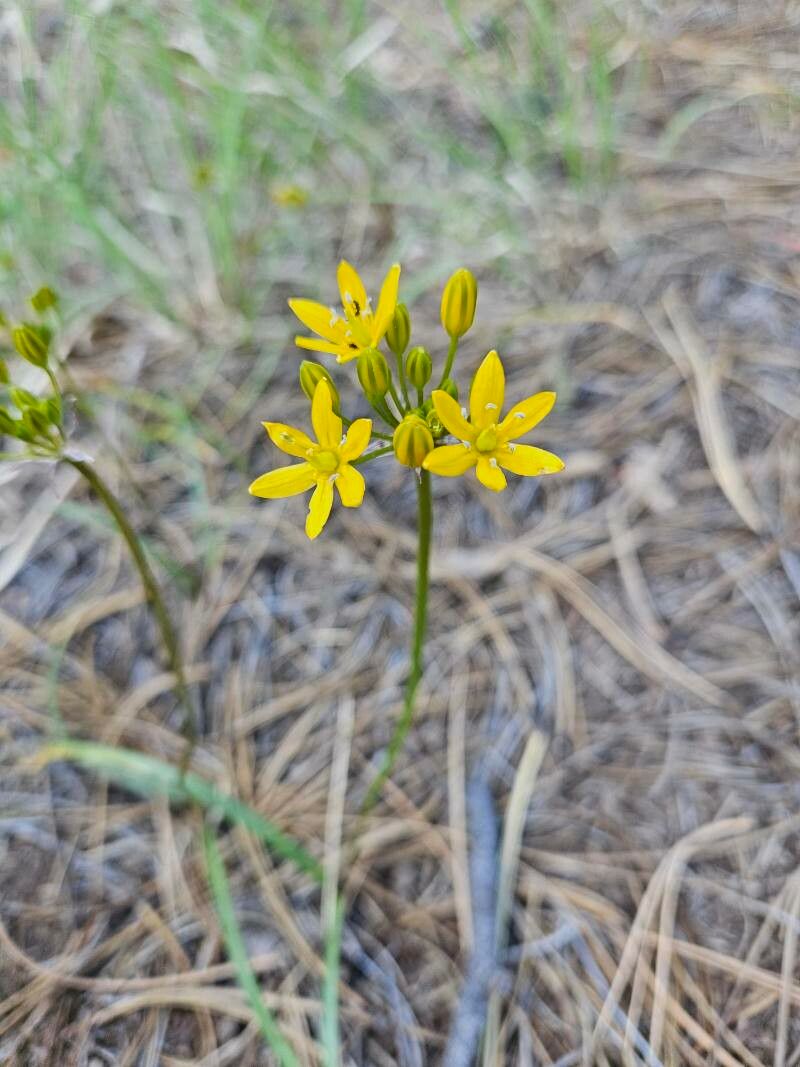
Oh, hello there! Come on in, grab a mug of something warm. I’m so excited to chat with you today about Triteleia montana, often called the “Pretty Face” or “Wild Hyacinth.” If you’ve ever seen these delicate, star-like blooms gracing a sunny spot, you know just how charming they are. Their cheerful colors and surprisingly nodding heads bring such a lovely, informal beauty to the garden. And let me tell you, successfully propagating them yourself? It’s incredibly rewarding! For beginners, I’d say Triteleia montana is moderately easy. It’s not your typical houseplant cutting, but with a little attention to its needs, you’ll be splitting them into lots of little families in no time.
The Best Time to Start
The absolute sweet spot for propagating Triteleia montana is late spring or early summer, right after they’ve finished flowering. You’ll know it’s time because the foliage will start to yellow and die back. This is actually a good thing – it tells you the plant is entering its dormant or semi-dormant phase, and dividing now gives the newly separated corms minimal stress. Trying to split them when they’re actively growing can shock them, and we don’t want that.
Supplies You’ll Need
Let’s get our little toolkit ready. It’s pretty straightforward, actually:
- A sharp knife or small trowel for dividing.
- A well-draining potting mix. I like to use a blend of about 50% good quality potting soil and 50% perlite or coarse sand. This ensures precious little corms don’t sit in soggy soil.
- Small pots or trays for replanting. Old yogurt containers with drainage holes poked in the bottom work perfectly!
- Watering can with a fine rose or a spray bottle.
- Labels – you’ll thank yourself later!
Propagation Methods: Division is Key!
For Triteleia montana, the primary and most successful method of propagation is division of the corms. These plants form little bulb-like structures called corms, and happy, established plants send out offsets.
- Gently Excavate: With your
sharp knifeortrowel, carefully dig around the base of the plant. You want to lift the entire clump, being mindful not to damage the existing corms. I tend to disturb the soil around the edge and then gently leverage the whole mass out. - Clean and Separate: Once you have the clump out, gently brush away as much of the old soil as you can. You’ll start to see the main corm, and then smaller offsets attached to it or nestled around it. These are your new
Triteleiababies! - Break Apart: Now comes the delicate part. Gently pull or cut apart the offsets from the main corm. If an offset is already a good size and has a few tiny roots attached, that’s ideal. Don’t worry if some have very little root development; they’ll grow with good care.
- Inspect and Trim (Optional but Recommended): Take a quick look at your separated corms. If there are any really old, papery outer layers that seem loose, you can peel those off.
- Replant: Fill your
small potswith yourwell-draining potting mix. Make a little hole with your finger in the center and place eachTriteleiacorm. The general rule of thumb is to plant them about twice as deep as the corm is tall. So, if your corm is about an inch tall, plant it about two inches deep. The pointy end should be facing upwards. - Water In: Give them a good, gentle watering to settle the soil around the corms.
The “Secret Sauce” (Pro Tips)
Here are a couple of things I’ve learned over the years that make a real difference:
- “Dust” Those Corms (Optional): If you’re prone to fungal issues or if your environment is a bit damp, you can lightly dust the cut surfaces of the corms with a bit of seed starting mix or fine charcoal powder before replanting. It’s like giving them a little protective shield.
- Location, Location, Location: Once replanted, place your pots in a bright, but indirectly sunny location. Direct, hot sun immediately after division can dry them out too quickly. They need time to establish. And resist the urge to water constantly; let the top inch of soil dry out between waterings.
Aftercare & Troubleshooting
Once you’ve got your new Triteleia corms planted, patience is your best friend! Keep the soil lightly moist – never soggy. You might not see much activity for a few weeks, especially if you divided them while they were at their most dormant. This is normal!
Signs of Failure: The most common issue is rot, which happens when the corms sit in waterlogged soil. You might notice a mushy texture or a foul smell. If this happens, gently dig up the corm, try to salvage any firm parts (though often it’s too late), and make sure your potting mix is much better draining next time. If they look completely dried out and shriveled, they might not have had enough moisture during their establishment phase. Don’t give up! Sometimes it takes a little coaxing and consistent care.
A Encouraging Closing
So there you have it! Propagating Triteleia montana is a wonderful way to multiply these delightful blooms and fill your garden borders with even more of their magic. Remember, gardening is a journey, and every bit of learning is progress. Be patient with your new little ones, trust your instincts, and most importantly, enjoy the process of nurturing new life! Happy planting!
Resource:
https://identify.plantnet.org/k-world-flora/species/Triteleia%20montana%20Hoover/data