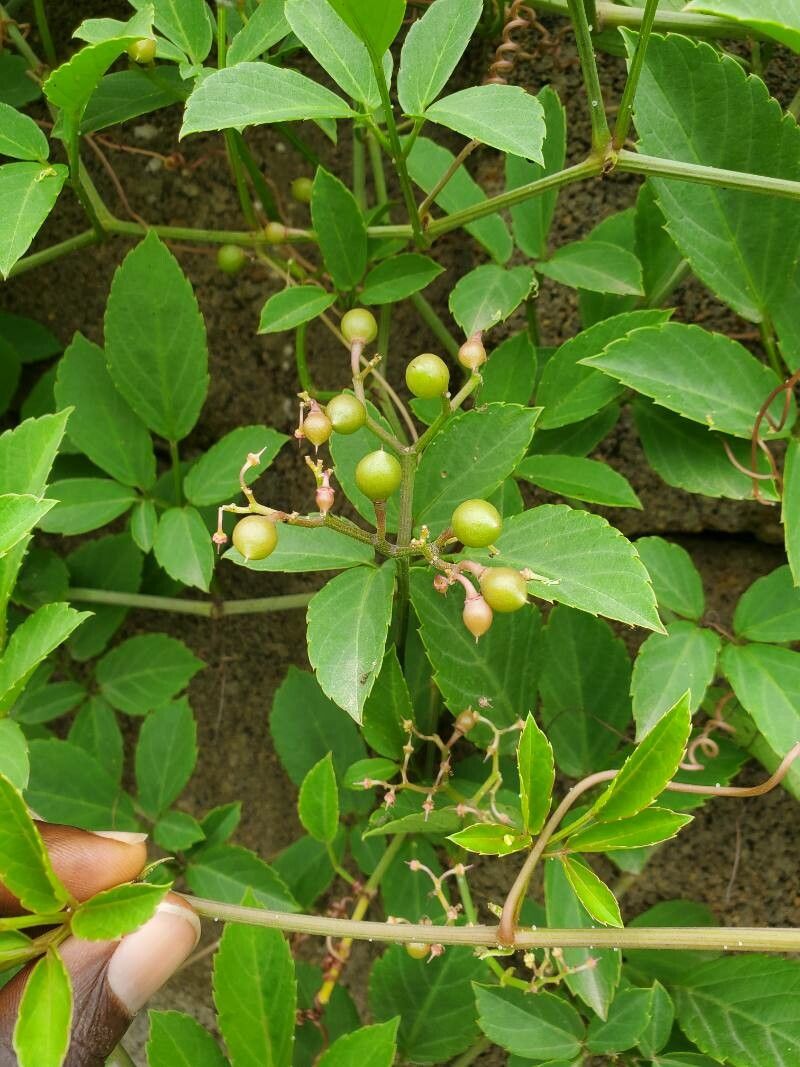
Oh, hello there! Come on in, grab a cuppa. Today, we’re diving deep into the wonderful world of propagating Tetrastigma leucostaphylum. My goodness, this vine is a real stunner, isn’t it? With its gorgeous, hand-shaped leaves and vigorous vining habit, it can transform any space into a lush, green oasis. And the best part? Being able to create more of these beauties from a single plant is incredibly satisfying. Now, I won’t lie, Tetrastigma can be a tad bit particular when it comes to propagation. It’s not exactly a “stick it in dirt and walk away” kind of plant, but with a little focused attention and these tips, you’ll be well on your way. It’s a rewarding challenge, for sure!
The Best Time to Start
For the highest success rate, I always recommend starting your propagation efforts in the late spring or early summer. This is when the plant is in its active growth phase. You’ll find that cuttings taken during this time have the most energy to put into developing roots. Think of it as giving them the best possible head start for their new life.
Supplies You’ll Need
Gathering your tools beforehand makes the whole process much smoother. Here’s what I like to have on hand:
- Sharp Pruning Shears or a Clean Knife: For making clean cuts to avoid crushing stems.
- Rooting Hormone: A good quality powder or gel can significantly boost your success.
- Potting Mix: A light, well-draining mix is crucial. I often use a blend of peat moss or coco coir, perlite, and a touch of compost.
- Small Pots or Propagation Trays: Clean pots are your friends! Sterilize old ones or grab new ones.
- Clear Plastic Bags or a Propagation Dome: To create a humid environment for your cuttings.
- Watering Can with a Fine Rose: For gentle watering.
- Optional: Bottom Heat Mat: This can really speed up root development.
Propagation Methods
Let’s get our hands dirty with a few tried-and-true methods for propagating Tetrastigma leucostaphylum.
Stem Cuttings
This is my go-to method for Tetrastigma.
- Select a Healthy Stem: Choose a mature, healthy stem that is not flowering. Look for one that has at least two or three nodes (the little bumps where leaves grow from).
- Take Your Cutting: Using your sharp pruning shears, make a clean cut just below a node. You’re aiming for cuttings that are about 4-6 inches long. Remove any lower leaves, leaving just a couple of leaves at the top to help with photosynthesis.
- Apply Rooting Hormone: Dip the cut end of the stem into your rooting hormone. Make sure it’s well-coated.
- Plant Your Cuttings: Fill your clean pots with your prepared potting mix. Make a small hole with your finger or a pencil and gently insert the cutting, ensuring the node with the removed leaves is below the soil surface. Firm the soil gently around the stem.
- Water Gently: Water the soil thoroughly but gently. You don’t want to dislodge your cuttings.
- Create Humidity: Cover the pot with a clear plastic bag or a propagation dome. If using a bag, secure it with a rubber band, making sure it doesn’t touch the leaves too much. Place the pot in a bright spot but out of direct sunlight, as this can scorch the tender cuttings.
Water Propagation (With a Caveat!)
While some plants root beautifully in water, Tetrastigma can be a bit more challenging this way due to its susceptibility to rot if left submerged for too long. If you choose this method, be extra vigilant.
- Prepare Cuttings: Take your 4-6 inch cuttings as described above, removing all but the top leaves.
- Place in Water: Place the cuttings in a clean jar or vase filled with clean water. Crucially, ensure that no leaves will be submerged in the water. This is key to preventing rot.
- Monitor Water: Change the water every few days to keep it fresh.
- Watch for Roots: You should start to see tiny white root nubs appearing from the nodes.
- Transplant Promptly: Once the roots are about an inch long, don’t wait too long! Carefully transplant them into your well-draining potting mix as soon as possible.
The “Secret Sauce” (Pro Tips)
Here are a couple of little tricks I’ve learned over the years that can make a big difference.
- The Rooting Hormone is My Friend: Don’t skip the rooting hormone! For Tetrastigma, it really seems to encourage faster and stronger root development, giving your cuttings that much-needed boost.
- Bottom Heat is a Game Changer: If you can get your hands on a bottom heat mat, use it! Placing your pots on a gentle heat source (around 70-75°F / 21-24°C) mimics ideal soil temperatures and can dramatically speed up the rooting process. Your cuttings will thank you for it.
- Don’t Overcrowd Your Pots: Give each cutting a bit of space in its pot. Too many cuttings crammed together can lead to poor air circulation and increase the risk of fungal issues.
Aftercare & Troubleshooting
Once you see signs of new growth – tiny new leaves appearing or the cutting resisting a gentle tug – you’re on the right track!
- Gradual Acclimation: Slowly reduce the humidity over a week or two. Gradually open the plastic bag a little each day, or lift the propagation dome for longer periods. This helps the new plant adjust to normal room conditions.
- Consistent Moisture: Keep the soil consistently moist but not waterlogged. Feel the top inch of soil; if it feels dry, it’s time to water.
- Bright, Indirect Light: Continue to provide bright, indirect light.
- Troubleshooting – Rot: The most common issue you might face is rot. If you notice your cutting becoming mushy, blackened, or falling over, it’s likely rot. This usually happens from overwatering or poor air circulation. If you spot it early, you can try to salvage it by cutting away the rotted portion and dusting the healthy part with a fungicide, then replanting in fresh, dry soil. But honestly, sometimes it’s better to start again with a fresh cutting.
- Troubleshooting – No Roots: If after several weeks you see no signs of rooting, don’t despair! Some plants are just slower than others. Ensure you are providing consistent warmth and moisture, and perhaps try a fresh cutting at a different node.
A Little Patience, A Lot of Joy
Propagating plants is a beautiful dance with nature. It requires a bit of patience, a touch of observation, and a whole lot of love. Every gardener has had cuttings that didn’t make it, but every success is a small victory that brings so much joy. So, take a deep breath, try these steps, and enjoy the process of nurturing new life. You’ve got this!
Resource: