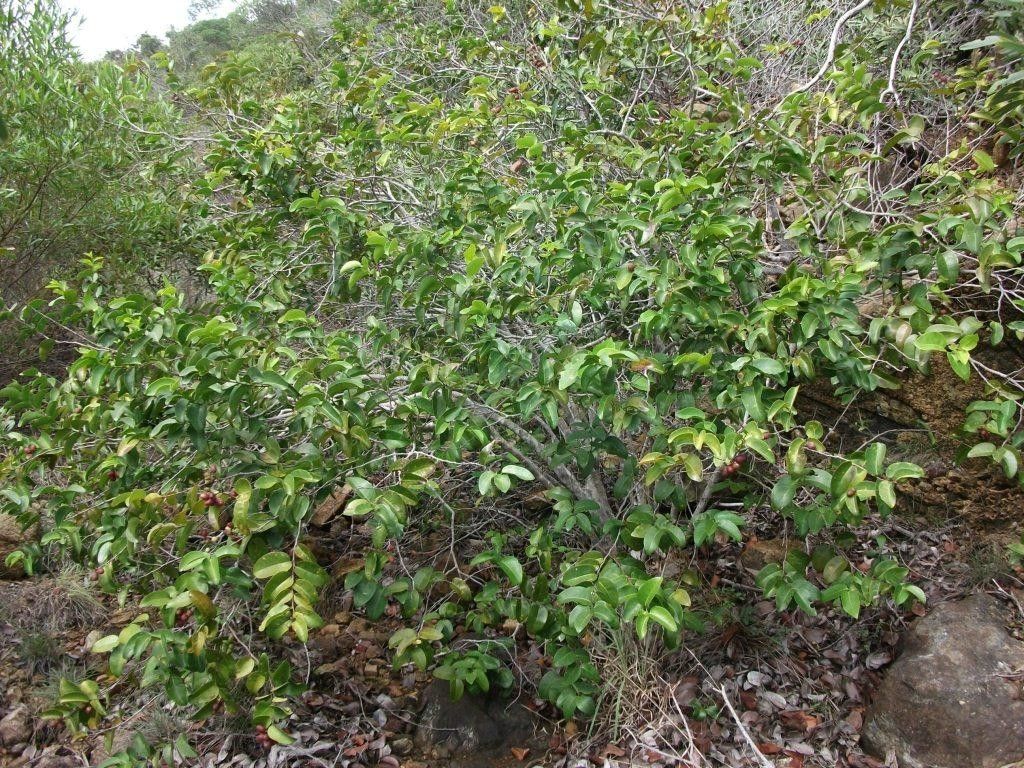
Well hello there, fellow garden enthusiasts! It’s wonderful to have you join me today. We’re going to dive into a plant that’s been charming my garden and my readers for years: the delightful Hunga cordata. Its heart-shaped leaves are just… well, they’re pure joy, aren’t they? And the best part? You can easily create more of this magic yourself! Propagating Hunga cordata is incredibly rewarding, and I’m happy to tell you, it’s a fantastic project for beginners. Seriously, if you’ve even dipped a toe into gardening, you can do this.
The Best Time to Start
My personal favorite time to get my hands dirty with Hunga cordata propagation is in the late spring to early summer. This is when the plant is really hitting its stride, pushing out new growth after its winter rest. You’ll find the stems are more pliable and have plenty of energy to get themselves rooted. While you can propagate them at other times, this period offers the highest chance of success with minimal fuss. Look for those healthy, vigorous shoots – they’re your green light!
Supplies You’ll Need
Gathering your supplies beforehand makes the whole process so much smoother. Here’s what I usually have on hand:
- Sharp, clean pruning shears or a sharp knife: You want a clean cut to prevent disease.
- Rooting hormone (optional but recommended): This really gives your cuttings a boost. Look for one that’s powder or gel.
- Small pots or propagation trays: Clean, fresh containers are key.
- Well-draining potting mix: A mix designed for houseplants or seedlings works beautifully. I often use a blend of peat moss, perlite, and a little bit of compost.
- Watering can with a fine rose or a spray bottle: Gentle watering is essential.
- Plastic bags or a propagation dome: This helps keep humidity high.
- Labels and a marker: Keep track of what you’ve planted and when!
Propagation Methods
There are a couple of ways to go about this, but my absolute go-to for Hunga cordata is stem cuttings. It’s just so efficient!
Method 1: Stem Cuttings
- Take Your Cuttings: Using your clean shears, select a healthy stem from your mother plant. Look for a stem that has at least two or three sets of leaves and is about 4-6 inches long. Make your cut just below a leaf node (where a leaf attaches to the stem). This is where roots are most likely to form.
- Prepare the Cuttings: Gently remove the lower leaves from the cutting, leaving only the top two or three leaves. If the leaves are very large, you can even cut them in half horizontally to reduce water loss.
- Apply Rooting Hormone (Optional): Dip the cut end of the stem into your rooting hormone, tapping off any excess. This isn’t strictly necessary for Hunga cordata, as they root quite readily, but it can speed things up and increase your success rate.
- Pot Them Up: Fill your small pots or trays with your well-draining potting mix. Make a small hole in the center of the mix with your finger or a pencil.
- Insert the Cuttings: Gently place the cut end of the stem into the hole, making sure the nodes where you removed the leaves are buried. Firm the soil gently around the stem to hold it in place.
- Water Gently: Water the potting mix thoroughly but gently, ensuring the soil is moist but not waterlogged.
- Create a Humid Environment: Cover the pots with a plastic bag or a propagation dome. This is crucial for keeping the humidity high, which the cuttings need to prevent drying out before they develop roots. You can secure the bag with a rubber band. Poke a few small holes in the bag for ventilation if you’re leaving it on for an extended period.
- Place in Bright, Indirect Light: Find a warm spot that gets plenty of bright, indirect light. Avoid direct sun, as it can scorch the delicate cuttings.
Method 2: Water Propagation (A Quick-Check Option!)
While I prefer soil for long-term success, water propagation is a fun way to watch the roots develop!
- Take Cuttings (same as above).
- Place in Water: Put your prepared cuttings into a jar or vase filled with clean water.
- Watch and Wait: Place the jar in bright, indirect light. Crucially, ensure no leaves are submerged in the water. This can lead to rot. Change the water every few days to keep it fresh. You should see tiny white roots emerge from the nodes within a couple of weeks.
- Transplant When Ready: Once the roots are about an inch long, it’s time to carefully transplant them into your well-draining potting mix, following steps 4-7 above.
The “Secret Sauce” (Pro Tips)
Here are a few little tricks I’ve picked up over the years that really make a difference:
- Bottom Heat is Your Friend: If you have a seedling heat mat, placing your pots on it can significantly speed up root development. The warmth encourages those root cells to get busy! It’s like a little greenhouse hug for your cuttings.
- Don’t Disturb Too Soon: Resist the urge to constantly tug at your cuttings to see if they have roots. You can gently wiggle them; if they feel firm and resistant, they’re likely rooting. It’s better to wait for visible new growth from the top leaves before you assume they’re established.
- The Power of Observation: I’ve found that most Hunga cordata cuttings will root just fine without any special treatment, but keeping the humidity high is the real game-changer. A quick misting with water can also help if your environment feels particularly dry.
Aftercare & Troubleshooting
Once you start seeing new leaf growth, that’s your signal that roots have formed!
- Acclimatize Gradually: If you were using a plastic bag or dome, slowly start to acclimate your new plants to your home’s ambient humidity by gradually opening the bag or lifting the dome for longer periods each day over a week.
- Watering: Continue to water as you did for the cuttings, keeping the soil consistently moist but not soggy. As the plant grows, you can water it a bit more deeply, allowing the top inch of soil to dry out between waterings.
- Feeding: Once your new plant is visibly growing, you can start giving it a diluted liquid fertilizer every 4-6 weeks during the growing season.
Now, what about when things don’t go quite right? The most common issue you might encounter is rot. This usually happens if the soil is too wet and there’s not enough air circulation. If you see your cutting turning black and mushy, it’s likely too late for that one. The best way to prevent this is good drainage and not overwatering. If you remove a rotting cutting, check the soil moisture of others nearby and adjust your watering.
A Encouraging Closing
And there you have it! Propagating Hunga cordata is truly a joy. It’s a wonderful way to multiply your plant collection, share cuttings with friends, or just to feel that amazing connection to the life cycle of a plant. Be patient, enjoy the process of watching those tiny roots emerge, and don’t be discouraged if one or two cuttings don’t make it. Every gardener learns through trial and error, and with Hunga cordata, the rewards far outweigh the challenges. Happy propagating!
Resource:
https://identify.plantnet.org/k-world-flora/species/Hunga%20cordata%20Prance/data