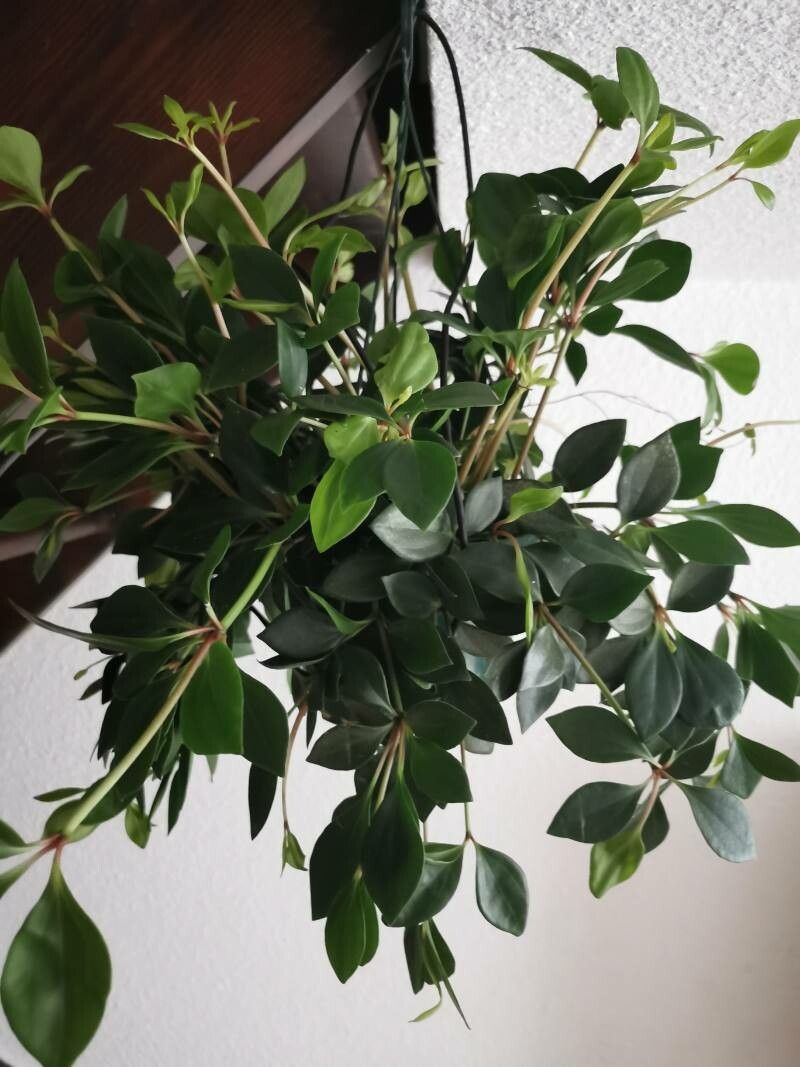
Hey there, fellow plant lovers! Today, we’re diving into the wonderful world of one of my all-time favorites: Peperomia glabella.
Welcome to the Wonderful World of Peperomia Glabella
I just adore this plant. Its glossy, succulent leaves and trailing habit make it a fantastic addition to any hanging basket or shelf. Plus, the satisfaction of watching a tiny cutting transform into a lush new plant is just incredible. And the best part? Peperomia glabella is a fantastic choice for beginners looking to dip their toes into the world of propagation. It’s quite forgiving, which is always a good thing when you’re starting out.
When is the Magic Hour for Propagation?
Generally, the spring and early summer months are your best bet. Think of it as when your plants are bursting with life and energy, ready to put it all into making new roots. You want to propagate when the plant is actively growing, not when it’s resting during the cooler, darker months.
What You’ll Need for Success
Gathering your supplies beforehand makes the whole process so much smoother. Here’s what I usually have on hand:
- Sharp Pruning Shears or a Clean Knife: For taking clean cuts.
- Peat-free Potting Mix: A well-draining blend is key. I often mix in some perlite or orchid bark for extra aeration.
- Small Pots or Propagation Trays: Clean ones, of course!
- Rooting Hormone (Optional but Recommended): A little boost can speed things up.
- Clear Plastic Bag or Dome: To create a humid microclimate.
- Water (for water propagation): Clean, room-temperature water is best.
- Spray Bottle: For occasional misting.
Let’s Get Propagating: My Favorite Methods
I’ve had great success with a couple of easy methods for Peperomia glabella.
Stem Cuttings: The Most Reliable Way
This is my go-to method. It’s straightforward and usually yields fantastic results.
- Find a Healthy Stem: Look for a stem that’s got at least two sets of leaves.
- Make the Cut: Using your clean shears or knife, cut just below a leaf node. A leaf node is that swollen little bump where the leaf attaches to the stem. This is where the magic happens and roots will emerge.
- Prepare Your Cutting: Gently remove the lower leaves, leaving just one or two sets at the top. This prevents them from rotting when they’re underground.
- Dip in Rooting Hormone (Optional): If you’re using rooting hormone, dip the cut end into it. Tap off any excess.
- Plant It Up: Fill your small pot with your nicely draining potting mix. Make a small hole with your finger or a pencil, and gently insert the cut end of the stem. Firm the soil around it.
- Water Gently: Water thoroughly but be careful not to dislodge your cutting. You want the soil to be moist, not soggy.
- Create a Humid Environment: Cover the pot with a clear plastic bag or use a propagation dome. This traps humidity, which is crucial for cuttings to root. Ensure the plastic bag isn’t touching the leaves too much.
Water Propagation: Simple and Satisfying
This is a fun one to watch! You can see the roots grow right before your eyes.
- Take Your Cutting: Follow steps 1 and 2 from the stem cutting method.
- Remove Lower Leaves: Just like before, remove any leaves that will be submerged in water.
- Place in Water: Pop your cutting into a small jar or glass of clean, room-temperature water. Make sure the leaf nodes are submerged.
- Change the Water Regularly: Every few days, refresh the water. This keeps it clean and prevents bacterial growth.
- Wait for Roots: You should start to see tiny roots emerge from the leaf nodes in a few weeks.
The “Secret Sauce” for Extra Punch
Here are a couple of little tricks I’ve learned over the years that can really give your cuttings a head start.
- Don’t Let the Leaves Touch the Water in Water Propagation: If any leaves are dipping into the water, they will rot. This is a prime culprit for failure in water propagation, so always make sure they stay dry.
- Gentle Bottom Heat if You Have It: If you’re struggling with slower rooting, especially if your home is a bit cooler, placing your pots on a seedling heat mat can make a world of difference. It encourages root development without cooking your cutting.
Aftercare and What to Watch For
Once you see roots have developed – usually a few inches long for stem cuttings, or a good network in water – it’s time to let your new plant settle in.
- For Water Propagations: Once you have a decent root system, you can gently pot them into your well-draining soil mix. Treat them like a young plant – keep the soil consistently moist but not waterlogged.
- For Soil Propagations: You’ll know they’re rooted when you see new growth at the top. Continue to keep the soil lightly moist and maintain that humidity. After a few weeks, you can gradually acclimate them to normal room humidity by opening the plastic bag for longer periods each day.
Now, what if things go wrong? The most common issue is rot. This happens when the cuttings are too wet, have poor air circulation, or if you’re using dirty tools. If you see a cutting turning mushy or black, unfortunately, it’s probably gone. Don’t get discouraged! Just clean everything thoroughly and try again.
Be Patient, Be Rewarded
Propagating plants is a journey, and sometimes it takes a little patience. Don’t be afraid to experiment, and celebrate every tiny sign of success. That first new leaf appearing on your cutting is a moment of pure victory! Happy propagating, and enjoy your growing collection!
Resource:
https://identify.plantnet.org/k-world-flora/species/Peperomia%20glabella%20(Sw.)%20A.Dietr./data