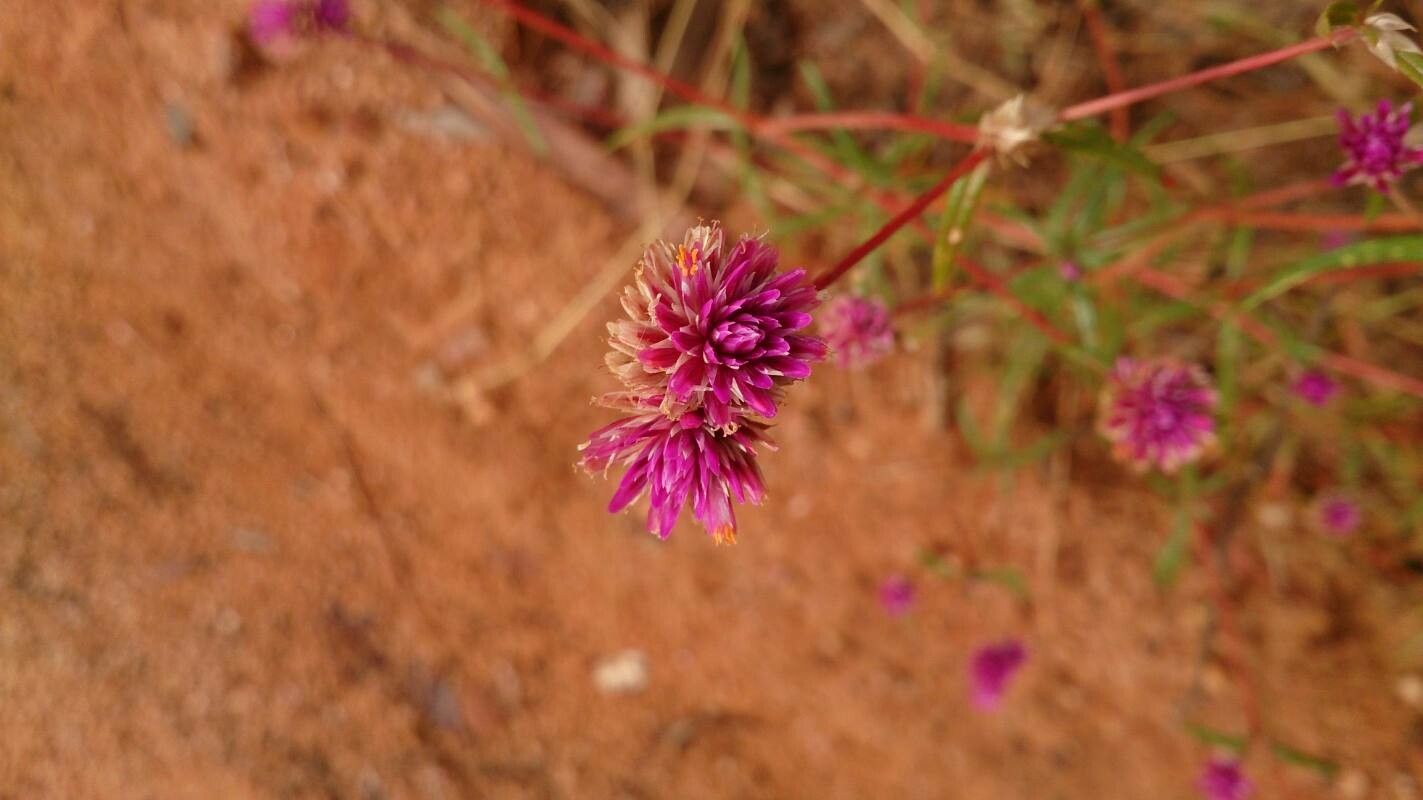
Hey there, fellow plant lovers!
It’s so good to be back sharing some garden adventures with you. Today, we’re diving into the wonderful world of Gomphrena flaccida. You know, those cheerful little globes that bring such fantastic pops of color to any garden? They’re like little bursts of sunshine, aren’t they? And the best part? They’re actually quite rewarding to propagate, even for us beginners. So, grab your favorite mug, pull up a chair, and let’s get our hands dirty!
The Best Time to Start
When it comes to G. flaccida, the sweet spot for propagation is late spring or early summer. This is when the plant is actively growing and has plenty of energy to put into developing new roots. Waiting until the heat of the summer has settled in can be beneficial too, as warmer temperatures help speed things along.
Supplies You’ll Need
Getting ourselves organized makes the whole process so much smoother. Here’s what I like to have on hand:
- Sharp pruning shears or a clean craft knife: For taking your cuttings. Cleanliness is key to preventing disease!
- Rooting hormone (optional but recommended): This gives your cuttings a nice little boost.
- Well-draining potting mix: A blend of peat moss, perlite, and a bit of compost works wonders. You want something that won’t hold too much moisture.
- Small pots or seed trays: Clean ones, of course!
- A spray bottle: For misting.
- A clear plastic bag or dome: To create a humid environment for your cuttings.
- Labels: So you don’t forget what you planted where!
Propagation Methods
Gomphrena flaccida is generally quite obliging when it comes to making new plants. We’ll focus on the most reliable method: stem cuttings.
- Choose your source plant: Find a healthy, vigorous G. flaccida plant. Look for stems that are firm and have new growth, but aren’t woody or old.
- Take the cuttings: Using your sharp shears or knife, snip off lengths of stem about 4-6 inches long. Make the cut just below a leaf node (where a leaf attaches to the stem). Try to take several cuttings – not all of them will make it, and that’s perfectly normal.
- Prepare the cuttings: Gently remove the lower leaves from each cutting, leaving just a couple of leaves at the very top. This prevents them from rotting in the soil and encourages the plant to focus its energy on rooting.
- Apply rooting hormone (if using): Dip the cut end of each stem into your rooting hormone powder or gel, tapping off any excess.
- Plant your cuttings: Fill your pots or trays with your prepared potting mix. Make a small hole in the center of each pot with your finger or a pencil. Gently insert the cut end of a G. flaccida cutting into the hole, and then firm the soil gently around it.
- Water gently: Water the soil thoroughly but gently. You don’t want to dislodge your precious cuttings.
- Create a humid environment: Cover the pots with a clear plastic bag or a propagation dome. This will trap moisture and create the humid microclimate that cuttings love. Lightly support the bag so it doesn’t touch the leaves.
The “Secret Sauce” (Pro Tips)
Now, for a couple of little tricks I’ve picked up over the years that can really boost your success:
- Bottom heat: If you have it, place your pots on a seedling heat mat. Gomphrena roots really appreciate that extra warmth from below – it’s like a cozy little spa day for their roots!
- Patience with the leaves: I know it’s tempting to let those little leaves get close to any water, but keep those leaves above the soil surface. If they’re constantly wet, they’re much more prone to mildew and rot, which is the last thing you want.
Aftercare & Troubleshooting
Once your cuttings are planted, find them a bright spot with indirect light. Avoid harsh, direct sun, which can scorch those tender baby leaves. Water when the top inch of soil feels dry, and mist the cuttings occasionally to keep that humidity up.
You’ll know your cuttings are rooting when you see new leaf growth, or if you gently tug on a cutting and feel resistance. This usually takes anywhere from 3 to 6 weeks. Once they’re well-rooted, you can carefully transplant them into their own pots.
What about problems? The most common culprit is rot. If you see mushy, black stems, or yellowing leaves that quickly fall off, it’s usually a sign of too much moisture and not enough air circulation. Don’t be discouraged if this happens; it’s part of the learning process! Just toss the affected cuttings, ensure your remaining ones have better drainage and ventilation, and try again.
A Warm Closing
Propagating Gomphrena flaccida is a delightful way to double your floral fun without spending a penny. It’s a journey of patience and observation. Trust your instincts, learn from any little hiccups, and most importantly, enjoy the magic of watching life sprout from a simple cutting. Happy gardening!
Resource:
https://identify.plantnet.org/k-world-flora/species/Gomphrena%20flaccida%20R.Br./data