Hello, fellow plant lovers!
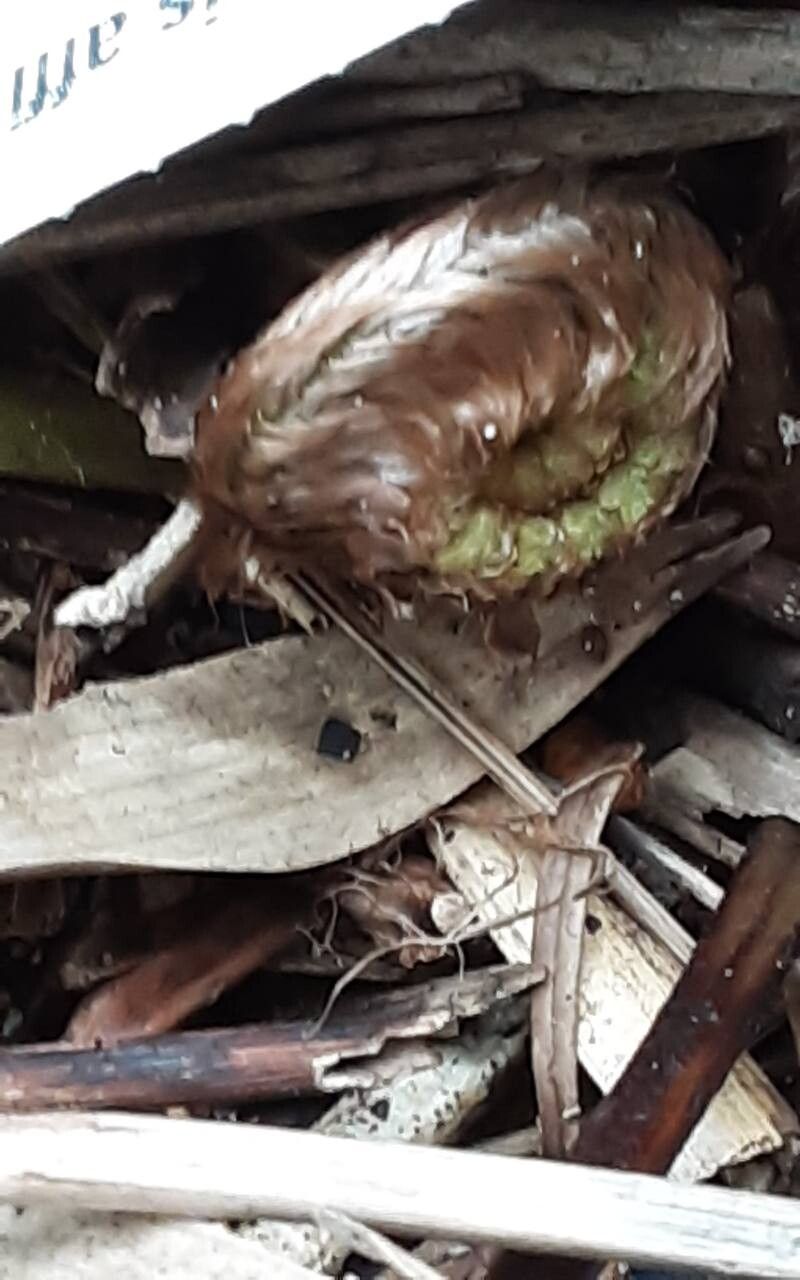
Today, we’re diving into the wonderful world of fern propagation. I’ve always been drawn to the delicate yet resilient beauty of Dryopteris caucasica. Its fronds unfurl with such grace, adding a touch of elegance to shady corners. Propagating it felt like uncovering a little bit of magic, and I’m so excited to share how you can do it too. This is a rewarding project, and while perhaps not the easiest* fern for a complete beginner, it’s absolutely achievable with a little patience and the right approach.
The Best Time to Start
My favorite time to get my hands dirty with Dryopteris caucasica is early spring. The plant is just starting to wake up, pushing out new growth, and it has the whole growing season ahead of it to establish itself. You can also have success with divisions in late summer or early fall, but spring just has that extra zing for starting fresh.
Supplies You’ll Need
Gathering your supplies beforehand makes the whole process much smoother. Here’s what I always have on hand:
- Sharp, clean pruning shears or a knife: For making neat cuts.
- A good quality potting mix: I prefer a well-draining mix, often a blend of peat moss, perlite, and a bit of compost. For ferns, you can’t go wrong with something that mimics their natural woodland habitat.
- Small pots or trays: Clean ones are a must to prevent diseases.
- A pebble or capillary mat: If you plan to create a humid environment.
- Watering can with a fine rose: Gentle watering is key.
- Optional: Rooting hormone: While not always necessary for ferns, it can give cuttings an extra boost.
Propagation Methods
For Dryopteris caucasica, division is usually the most straightforward method. Ferns are remarkably forgiving when it comes to this natural way of multiplying.
Division:
- Gently dig up the parent plant. I like to do this when the soil is slightly moist, not bone dry or soaking wet. This makes it easier to tease apart the root ball.
- Observe the plant’s structure. You’ll notice clumps or sections of the fern radiating outwards from a central point. Look for areas where you can clearly see established crowns and roots.
- Carefully separate these sections. You can often do this with your hands. If it’s a bit stubborn, your clean pruning shears or knife will come in handy. Make sure each division has a good amount of healthy roots and at least one or two leafy fronds.
- Pot up your new divisions. Use your well-draining potting mix in individual pots. Plant them so the very top of the root ball is just at the soil surface.
- Water thoroughly. Give them a good drink so the soil settles around the roots.
The “Secret Sauce” (Pro Tips)
Here are a couple of things I’ve learned over the years that really make a difference with ferns:
- Mimic their natural humidity. Ferns absolutely love moisture in the air. After dividing, I often place the new pots on a tray filled with pebbles and water, making sure the pot bottoms don’t sit directly in the water. This creates a little microclimate of humidity.
- Don’t overwater early on. This is a tricky balance, but crucial. While ferns need consistent moisture, soggy soil is a sure path to rot. A good rule of thumb is to water when the top inch of soil feels dry to the touch.
Aftercare & Troubleshooting
Once your divisions are potted, keep them in a bright, indirect light location. Avoid direct sun, as this can scorch their delicate new fronds. Water them consistently but don’t let them sit in water.
The most common issue you’ll face is rot, which is usually caused by overwatering or poor drainage. If you see fronds turning yellow and mushy, or the soil feels perpetually waterlogged, it’s a sign something’s not right. You might need to gently check the roots for signs of decay (black and slimy). If you catch it early, you can try repotting in fresh, drier soil. The good news is, if the roots are still healthy, the plant can often bounce back.
A Encouraging Closing
Propagating Dryopteris caucasica is such a satisfying way to expand your fern collection or share these beauties with friends. Don’t get discouraged if your first attempt isn’t perfect; gardening is a journey! Just remember to be gentle, provide the right conditions, and you’ll soon be rewarded with the quiet beauty of your own homegrown ferns. Happy gardening!
Resource: