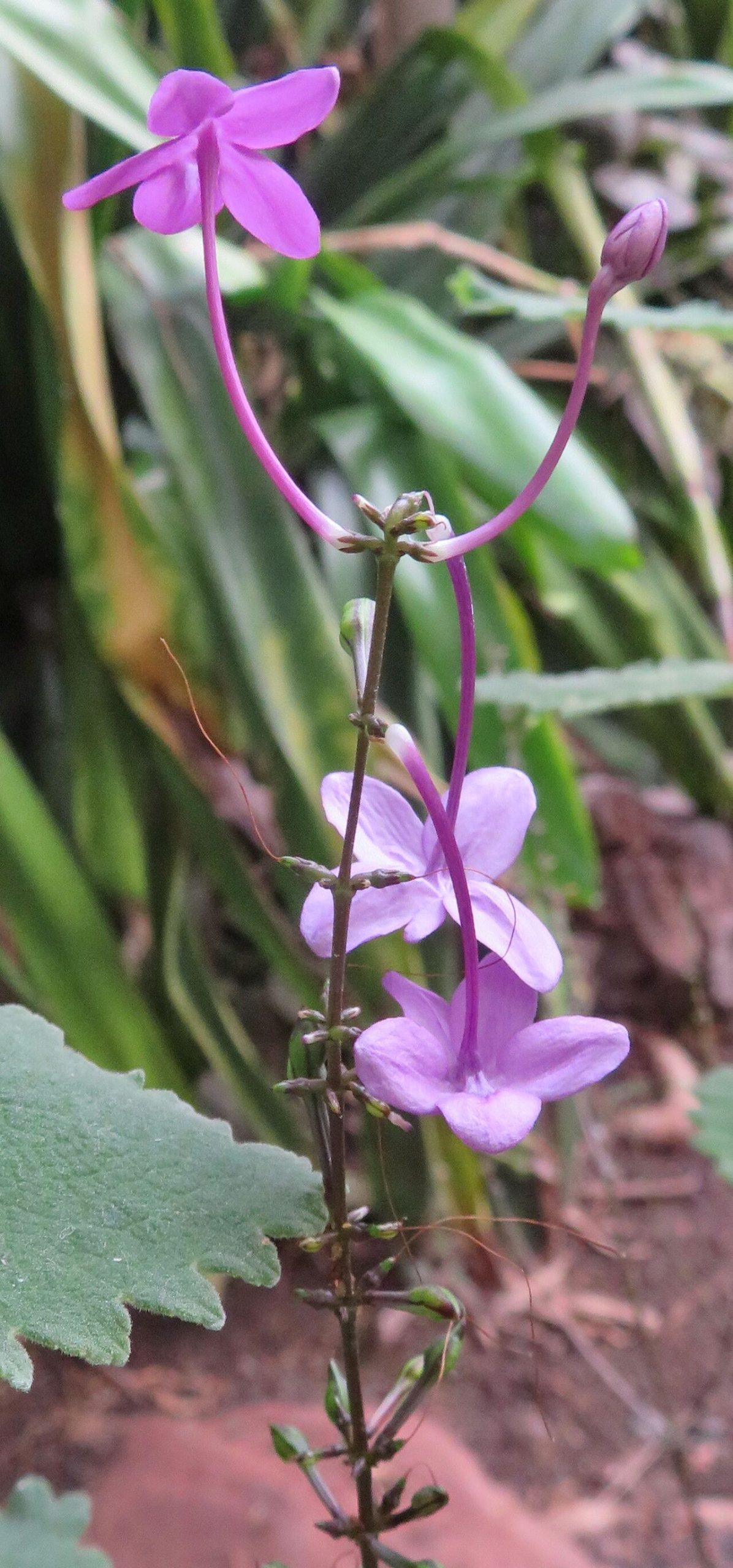
Oh, hello there, fellow plant enthusiast! Grab your favorite mug, because we’re diving into the wonderful world of propagating Pseuderanthemum alatum. This showstopper, with its gorgeous variegated leaves, is a real gem. Seeing a new plant sprout from a tiny piece of your beloved one? It’s pure magic, and I promise, it’s a feeling that never gets old. And the best part? You might be surprised to hear that Pseuderanthemum alatum is actually quite an agreeable plant to propagate, even for those newer to the green-thumb club. You’ve got this!
The Best Time to Start
Spring is our golden ticket here. When the days start getting longer and warmer, our plants are just bursting with energy. This renewed growth means they’re primed and ready to put down new roots. I find late spring, as things are really heating up, gives me the most vigorous cuttings. Aim for when your plant is actively growing, not when it’s stressed from heat or drought.
Supplies You’ll Need
Here’s what you’ll want to have handy:
- Sharp, clean pruning shears or a sharp knife: A clean cut prevents disease.
- Rooting hormone (optional, but helpful): Encourages faster root development.
- A good quality potting mix: I like a blend of perlite and peat moss for drainage and aeration. Or you can buy a specific seed-starting mix.
- Small pots or trays: Clean ones, please!
- A spray bottle: For gentle misting.
- Plastic bags or a propagator lid: To create a humid environment.
- Labels: Don’t forget to label your new babies!
Propagation Methods
Let’s get our hands dirty!
Stem Cuttings
This is my go-to for Pseuderanthemum alatum. It’s reliable and straightforward.
- Select your stem: Look for healthy, non-flowering stems. You want pieces that are about 4-6 inches long.
- Make the cut: Using your clean shears, make a clean cut just below a leaf node. A node is where a leaf attaches to the stem. This is where the magic of roots will happen.
- Prepare the cutting: Gently remove the lower leaves, leaving just a couple of leaves at the top. If the leaves are very large, you can even trim them in half to reduce water loss.
- Apply rooting hormone (if using): Dip the cut end into your rooting hormone powder or gel. Tap off any excess.
- Plant the cutting: Stick the prepared end into your potting mix. Make sure at least one leaf node is buried in the soil. Gently firm the soil around the cutting.
- Create humidity: Water the soil lightly with your spray bottle. Then, cover the pot with a clear plastic bag, a propagator lid, or even a clear plastic bottle with the bottom cut off. This creates a mini greenhouse effect.
Water Propagation
This is a fun, visual method!
- Select and cut: Similar to stem cuttings, choose a healthy stem and cut it just below a leaf node.
- Remove lower leaves: Get rid of all leaves that would sit below the water line.
- Place in water: Pop the cutting into a clean jar or glass filled with clean water. Make sure the leaf nodes are submerged but no leaves are touching the water.
- Change the water: Refresh the water every few days to keep it clean and oxygenated.
The “Secret Sauce” (Pro Tips)
Here are a few little tricks I’ve picked up over the years:
- Don’t let the leaves touch the water in water propagation. This is crucial. Leaves left submerged will rot, and that rot can travel down to the stem, dooming your cutting before it even has a chance.
- Think about warmth. Pseuderanthemum alatum loves a bit of warmth to kickstart root growth. If your home is on the cooler side, consider placing your pots on a heat mat designed for seedlings. It makes a world of difference.
- Patience with the leaves. If you see yellowing lower leaves on your stem cuttings, don’t panic. It’s often the plant cannibalizing those leaves to fuel root development. Just gently remove them as they fade.
Aftercare & Troubleshooting
Once roots have formed (you’ll see them peeking out the drainage holes for pot-grown cuttings, or you’ll have a good amount of root growth in water propagation), it’s time to transition them.
- Potting up: Gently pot your rooted cuttings into their own small pots filled with your potting mix. Water them in well.
- Acclimatization: If you used a plastic bag or propagator, gradually remove the cover over a week or so. Start by taking it off for a few hours each day, increasing the time until they’re fully exposed. This helps them adjust to normal household humidity. Keep them in bright, indirect light.
- Signs of trouble: The most common culprit is rot. If your cutting looks mushy, black, or slimy, it’s likely rotted. This usually happens from too much moisture without good airflow, or if leaves are submerged in water. If you catch rot early on a stem cutting, you might be able to salvage a healthy section above the rot and try again. For water propagation, a rotten smell is a sure sign.
A Little Encouragement to Finish
Growing new plants is a journey, not a race. There will be times when things don’t quite work out, and that’s perfectly okay. It’s all part of the learning process in gardening. Be patient with your little cuttings, give them the right conditions, and most importantly, enjoy the sheer wonder of watching life emerge. Happy propagating!
Resource:
https://identify.plantnet.org/k-world-flora/species/Pseuderanthemum%20alatum%20(Nees)%20Radlk./data