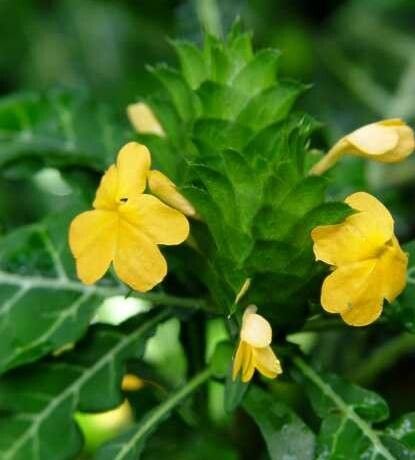
Hello, fellow plant lovers! Today, we’re diving into the delightful world of Crossandra massaica, or as many of us affectionately call them, Firecracker Flowers. These beauties, with their vibrant orange and yellow blooms that seem to erupt from the foliage, are just stunning in a garden or as a houseplant. Propagating them is a fantastic way to share that joy or simply expand your own collection. Honestly, if you’ve tinkered with a few houseplants before, you’ll find Crossandra to be pretty cooperative. It’s not a plant that demands a degree in botany to get started with!
The Best Time to Start
For the highest success rate with Crossandra propagation, aim for the late spring or early summer. This is when the plant is actively growing and has plenty of energy to put into developing new roots. You want to select healthy, vigorous stems that aren’t flowering or producing new buds. They’re too focused on that to be thinking about making babies, you see!
Supplies You’ll Need
Here’s what I always have on hand:
- Sharp pruning shears or a clean knife: For making clean cuts. Dull tools can damage the stems.
- Rooting hormone (optional but recommended): This little helper can significantly speed up root development.
- Well-draining potting mix: I like a blend of peat moss, perlite, and a bit of compost. You can also buy specific seed-starting or propagation mixes.
- Small pots or trays: Clean pots are key to preventing disease.
- Plastic bags or a propagation dome: To maintain humidity.
- Spray bottle: For misting.
Propagation Methods
My go-to is almost always stem cuttings for Crossandra. It’s reliable and gets you a young plant rather quickly.
Stem Cuttings:
- Select your cuttings: Find a healthy, non-flowering stem that’s about 4-6 inches long.
- Make the cut: Just below a leaf node (where a leaf attaches to the stem), make a clean cut with your shears or knife.
- Prepare the cutting: Gently remove the lower leaves, leaving only the top 2-3 leaves. If the top leaves are very large, you can even cut them in half to reduce water loss.
- Apply rooting hormone (if using): Dip the cut end of the stem into the rooting hormone, tapping off any excess.
- Potting up: Fill your small pots or trays with your well-draining mix. Make a small hole in the center with your finger or a pencil.
- Insert the cutting: Place the cut end of the stem into the hole and gently firm the soil around it.
- Water gently: Water the soil thoroughly until it’s moist but not waterlogged.
- Create a humid environment: Cover the pot with a plastic bag (making sure the bag doesn’t touch the leaves) or place it under a propagation dome. Put it in a warm place with bright, indirect light.
Water Propagation: I’ve had some success with this, especially with smaller cuttings. Simply place the prepared cutting (without rooting hormone) in a jar or glass of water, ensuring the leaves stay above the waterline. Change the water every few days to keep it fresh. You can then pot up the cuttings once the roots are about an inch long.
The “Secret Sauce” (Pro Tips)
Here are a few things I’ve learned over the years:
- Bottom Heat is Your Friend: If you can, place your pots on a heat mat. Crossandra loves warmth, and bottom heat encourages roots to form much faster than just ambient room temperature. Don’t crank it up too high, though – around 70-75°F (21-24°C) is perfect.
- Don’t Overwater (in the initial stage): This is crucial. Overly soggy soil is the quickest way to invite rot, and nobody wants that. The goal is consistently moist, not drenched. The humidity tent will help keep the moisture level stable.
- A Gentle Pinch Goes a Long Way: Once your cuttings have rooted and you’ve potted them up, don’t be shy about pinching off the very tip of the new growth. This encourages the plant to branch out, creating a bushier, more attractive specimen right from the start.
Aftercare & Troubleshooting
When you start to see new leaf growth appearing, that’s a good sign that roots are developing! At this point, you can gradually remove the plastic bag or dome over a few days to acclimate your new plant to normal humidity. Continue to water when the top inch of soil feels dry.
The most common issue is rot. If your cutting turns yellow, mushy, and falls over, it’s likely due to too much moisture. If this happens, try to salvage any healthy parts of the stem and start again with drier soil. Wilting leaves can also indicate a lack of humidity or that the cutting hasn’t rooted yet. Don’t panic if it looks a little sad for the first few weeks; patience is key.
A Little Patience, A Lot of Reward
Propagating Crossandra massaica is a truly rewarding endeavor. Don’t be discouraged if your first attempt isn’t perfect. Gardening is a journey, and each new plant you grow from a piece of another is a little victory. Enjoy the process, observe your cuttings carefully, and soon you’ll have a beautiful little fiery bloom to call your own! Happy propagating!
Resource:
https://identify.plantnet.org/k-world-flora/species/Crossandra%20massaica%20Mildbr./data