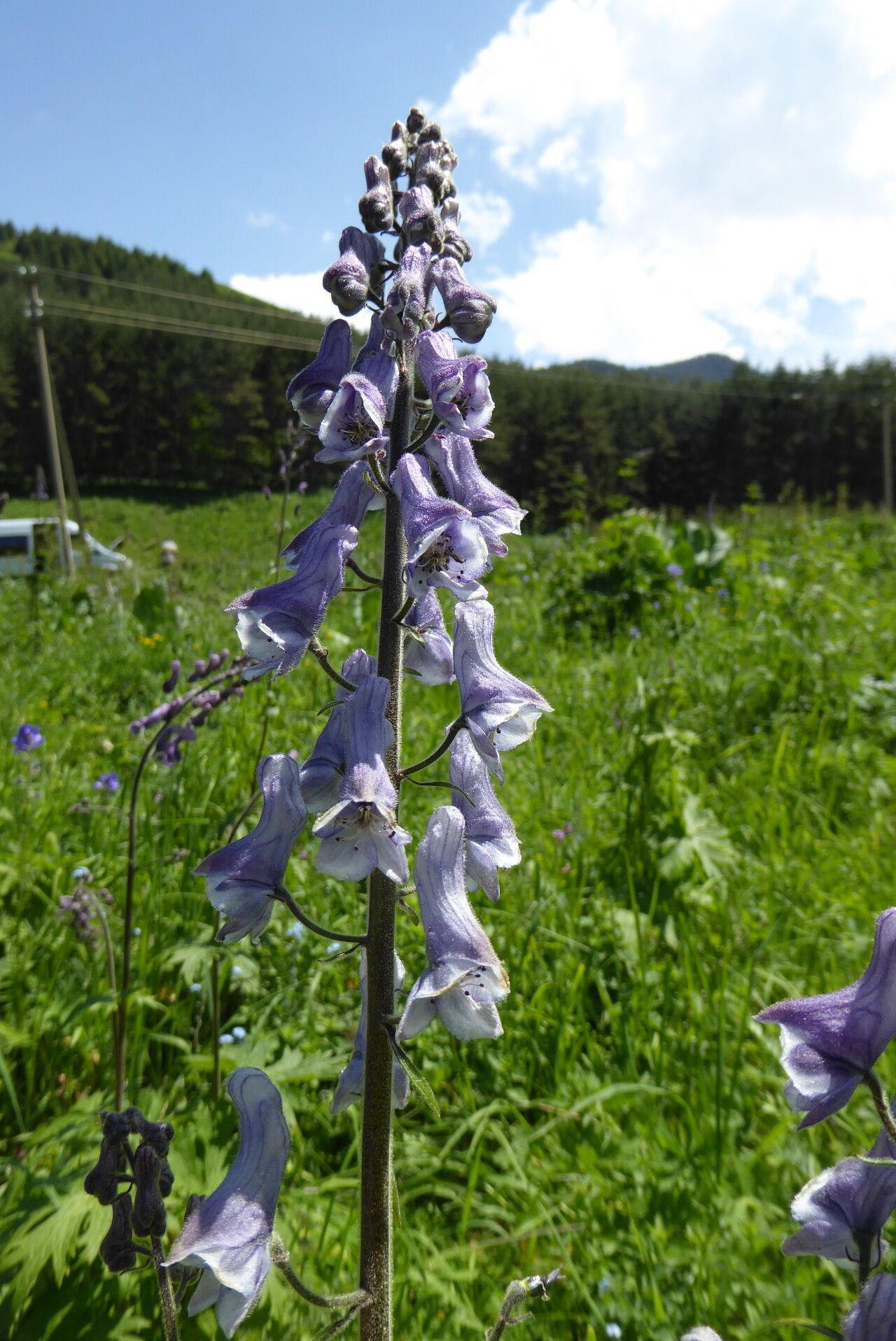
Hello fellow garden enthusiasts! I’m so glad you’re here today. We’re going to talk about a truly spectacular plant: Aconitum leucostomum, commonly known as White Monkshood. If you’ve ever admired those elegant spires of pure white blooms in a border, you know exactly what I mean. They bring such a refined beauty to the garden, and truthfully, there’s something incredibly satisfying about creating more of these beauties yourself.
Now, let’s be upfront: Aconitum leucostomum isn’t exactly for the absolute beginner looking for their first easy win. It requires a little patience and attention to detail. But don’t let that deter you! With the right approach, increasing your stock of White Monkshood is absolutely achievable and a wonderfully rewarding endeavor.
The Best Time to Start
For Aconitum leucostomum, I’ve found the sweet spot for propagation is generally in late spring to early summer, right after the plant has finished its initial flush of growth and before it starts to get too hot. This timing gives the young cuttings or divisions a good long growing season to establish themselves. You can also have success with dividing established clumps in early spring as soon as the soil can be worked, but starting from cuttings during the warmer months generally feels more successful for me.
Supplies You’ll Need
Gathering your tools is the first step to a smooth process. Here’s what I usually have on hand:
- Sharp, clean pruning shears or a sharp knife: Essential for making clean cuts.
- Small plastic pots or trays: With drainage holes, of course!
- Sterile potting mix for propagation: A blend of perlite, peat moss, and vermiculite works wonderfully. I often use a 50/50 mix of peat and perlite.
- Rooting hormone powder or gel: This is particularly helpful for encouraging faster and stronger root development.
- A fine-tipped mister or spray bottle: For keeping things humid without waterlogging.
- Small plastic bags or a propagator lid: To create a humid environment for cuttings.
- Labels and a permanent marker: So you don’t forget what you’ve planted where!
- A watering can with a fine rose attachment.
Propagation Methods
While Aconitum can be propagated by seed, it can be slow and the resulting plants may not be true to the parent. For a more reliable and quicker route to more plants, I focus on two main methods: division and stem cuttings.
Method 1: Division (Best for Established Clumps)
This is my go-to for a quick way to get more plants, especially if you have a mature White Monkshood.
- Timing is Key: As I mentioned, early spring, as soon as the soil is workable but before new growth is too vigorous, is ideal.
- Gently Excavate: Carefully dig up the entire plant with a spade, trying to disturb the roots as little as possible. You might need to water the previous day to make the soil a bit more pliable.
- Inspect and Divide: Gently shake off excess soil. You’re looking for natural divisions. Using your hands or a clean, sharp knife, carefully pull or cut the clump apart into sections. Each division should have at least one healthy growing point and a good amount of root mass.
- Replant Immediately: Get those divisions back into the ground or into pots as soon as possible to minimize stress. Plant them at the same depth they were growing before. Water them in well.
Method 2: Stem Cuttings (Requires a bit more patience)
This method is fantastic for creating new plants from a single specimen without disturbing it too much.
- Select Your Cuttings: In late spring to early summer, look for healthy, non-flowering stems. You want shoots that are about 4-6 inches long.
- Make the Cut: Using your sharpest tool, make a clean cut just below a leaf node (where a leaf joins the stem). This is where roots are most likely to form.
- Prepare the Cutting: Remove the lower leaves, leaving just a couple at the very top. This reduces water loss. If you have a longer stem, you can even cut it in half horizontally through the middle of a leaf to create two basal cuttings, which often root well.
- Apply Rooting Hormone: Dip the cut end of the stem into rooting hormone powder or gel. Tap off any excess.
- Plant Your Cuttings: Fill small pots with your prepared sterile potting mix. Make a small hole with a pencil or dibber and gently insert the cutting. Firm the soil around the base.
- Create the Humid Environment: Water the cuttings gently. Then, cover the pot with a plastic bag, securing it with a rubber band around the rim, or place the pot inside a propagator with a lid. This will create a humid microclimate.
- Provide the Right Conditions: Place the pots in a bright location, but out of direct sunlight. A warm spot is beneficial.
The “Secret Sauce” (Pro Tips)
Here are a couple of things I’ve learned over the years that really make a difference:
- Don’t let the leaves touch the water: If you’re ever tempted to try water propagation (which I find less successful for Aconitum), ensure the cut stem is in the water, but absolutely no leaves are submerged. Leaves in water will rot, and that’s a sure way to invite disease. For stem cuttings in soil, the plastic bag should ideally hover above the leaves.
- Bottom heat can be a game-changer: If you have a heat mat designed for seedlings, placing your pots on it can significantly speed up root formation, especially for stem cuttings. It mimics the warmth of spring soil and encourages those roots to stretch out.
- Cleanliness is Paramount: Aconitum can be susceptible to fungal issues, especially when stressed or in humid conditions without good air circulation. Always use clean tools and sterile potting mix. It’s worth the extra effort to prevent problems down the line.
Aftercare & Troubleshooting
Once your cuttings have rooted or your divisions are potted, the real nurturing begins!
- For Cuttings: Keep the soil consistently moist but not soggy. You’ll know they’ve rooted when you see new leaf growth and gently tugging on the stem encounters resistance. This usually takes 4-8 weeks. Once rooted, gradually acclimate them to less humid conditions by opening the plastic bag a little each day for a week before removing it entirely. Transplant them into their own small pots once they are large enough to handle.
- For Divisions: Water them regularly until they are established. They’ll bounce back quickly.
Troubleshooting is part of the journey, and with Aconitum, the most common issues are:
- Rotting: If cuttings turn mushy and black, or if divisions show signs of rot, it’s usually a sign of too much moisture and not enough airflow. Ensure good drainage and don’t overwater. You might need to discard affected cuttings or treat a division with fungicide if it’s a widespread issue.
- Failure to Root: This can happen if the cuttings were too old, too young, or if conditions weren’t quite right (too cold, too dry). Don’t be discouraged! Try again with new cuttings at the next opportunity.
A Little Patience, A Lot of Reward
Watching a new little plant emerge from a tiny cutting or a divided piece of a beloved plant is one of gardening’s greatest joys. Be patient with your Aconitum leucostomum. It tells you when it’s ready. Enjoy the process, learn from each attempt, and soon you’ll have a wonderful collection of these elegant white beauties to share and admire. Happy gardening!
Resource:
https://identify.plantnet.org/k-world-flora/species/Aconitum%20leucostomum%20Vorosch./data