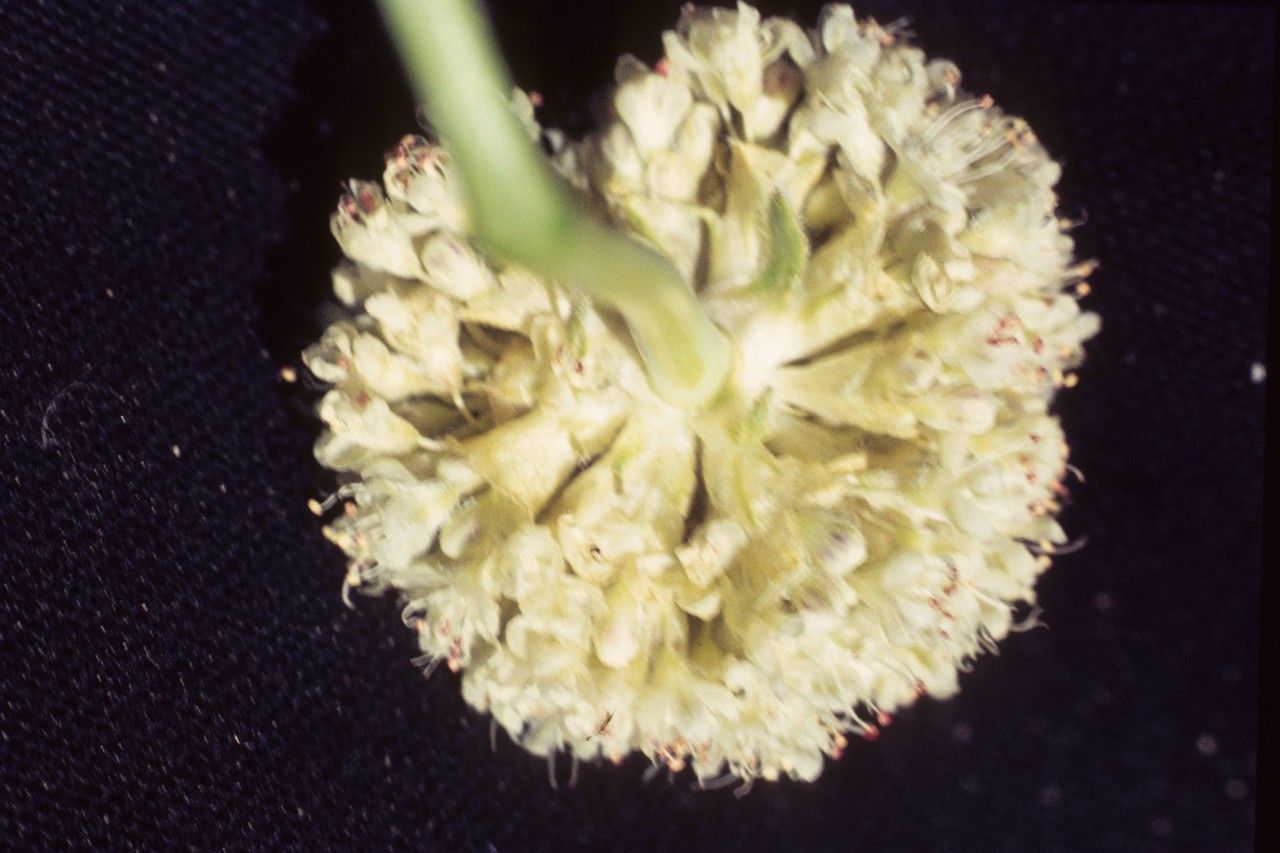
Hello, fellow plant lovers! Today, we’re diving into the wonderful world of propagating Eriogonum latens, or the Slender Buckwheat. If you’ve ever admired its delicate, airy blooms and intriguing foliage, you’re not alone. Growing these beauties from scratch is incredibly rewarding, and honestly, quite achievable once you know the trick. Don’t let it intimidate you; with a little patience and the right approach, you’ll be well on your way to expanding your collection.
The Best Time to Start
For most Eriogonum species, I find that taking cuttings in late spring to early summer yields the best results. This is when the plant is actively growing, but before the intense heat of mid-summer can stress things too much. You want to select stems that are somewhat hardened off – not brand new, floppy growth, but not woody old stems either. Think of it as the sweet spot: firm but flexible.
Supplies You’ll Need
Here’s what I always have on hand for a successful propagation session:
- Sharp Pruning Shears or a Clean Knife: Crucial for making clean cuts to prevent disease.
- Rooting Hormone (Optional but Recommended): A little dip can significantly boost your success rate. Look for one formulated for stem cuttings.
- Well-Draining Potting Mix: A mix of equal parts perlite, coarse sand, and peat moss or coir is usually perfect. You want water to drain away quickly.
- Small Pots or Trays: Clean pots are essential. Small ones, usually 2-4 inches, are ideal for cuttings.
- Watering Can or Spray Bottle: For gentle watering.
- Labels: You’ll thank yourself later for keeping track of what you planted and when!
- Plastic Bag or Dome: To create a humid environment for your cuttings.
Propagation Methods: Stem Cuttings
This is, hands down, my favorite and the most reliable method for Eriogonum latens.
- Select Your Cuttings: Gently examine your established plant. Look for healthy stems that are about 4-6 inches long. Using your clean shears, make a cut just below a leaf node (where a leaf attaches to the stem). Remove the lower leaves, leaving just a few at the top.
- Prepare the Cutting: If you’re using rooting hormone, just dip the cut end into it according to the product’s instructions.
- Plant the Cuttings: Fill your small pots with your prepared potting mix. Make a small hole in the center of the mix with your finger or a pencil. Carefully insert the cut end of the stem into the hole, gently firming the mix around it.
- Water Gently: Water the potting mix thoroughly but gently. You want it to be moist, not waterlogged.
- Create Humidity: Cover the pot with a clear plastic bag, or place it under a propagator dome. This will trap moisture and create a humid environment, which is vital for the cuttings to root. Make sure the leaves aren’t touching the plastic if possible.
- Provide Light and Warmth: Place the potted cuttings in a spot with bright, indirect light. A warm windowsill is often perfect.
The “Secret Sauce” (Pro Tips)
Here are a few things I’ve learned over the years that really make a difference:
- Don’t Overwater! This is probably the biggest killer of cuttings. Eriogonum hates soggy feet, even when trying to root. You want the potting mix to stay lightly moist, but never soggy. I often check the moisture by poking my finger gently into the soil.
- A tiny bit of bottom heat can work wonders. If you have a seedling heat mat, placing your pots on it can significantly speed up root development. It mimics the warmth of spring soil.
- Be Patient with Leaf Drop: It’s normal for a few lower leaves to yellow and drop. Don’t panic if you see this! As long as the stem itself is still firm and green, there’s a good chance it’s working on roots.
Aftercare & Troubleshooting
Once you start seeing new growth emerge from your cuttings – usually after 4-8 weeks – that’s a good sign roots are forming! You can gently tug on a cutting. If you feel resistance, you’ve got roots!
- Gradually Acclimate: As roots develop, start to slowly remove the plastic bag or dome over a week or two. This helps the new plant get used to normal humidity levels.
- Transplanting: Once the little plant has a good root system and looks robust, you can transplant it into a slightly larger pot with the same well-draining soil mix.
- Common Pitfalls: The most common problem is rot. If your cutting turns mushy or black, it’s likely due to too much moisture or not enough air circulation. If you see this, remove the affected cutting immediately to prevent it from spreading. If the leaves shrivel and turn crispy, it might be too dry or getting too much direct sun.
A Little Encouragement
Propagating anything new can feel like a bit of a gamble, but with Eriogonum latens, the odds are in your favor with these steps. Remember to be patient; nature takes its own sweet time. Enjoy the process of nurturing these little snippets of life, and soon you’ll have more of these delightful plants to enjoy. Happy gardening!
Resource:
https://identify.plantnet.org/k-world-flora/species/Eriogonum%20latens%20Jeps./data