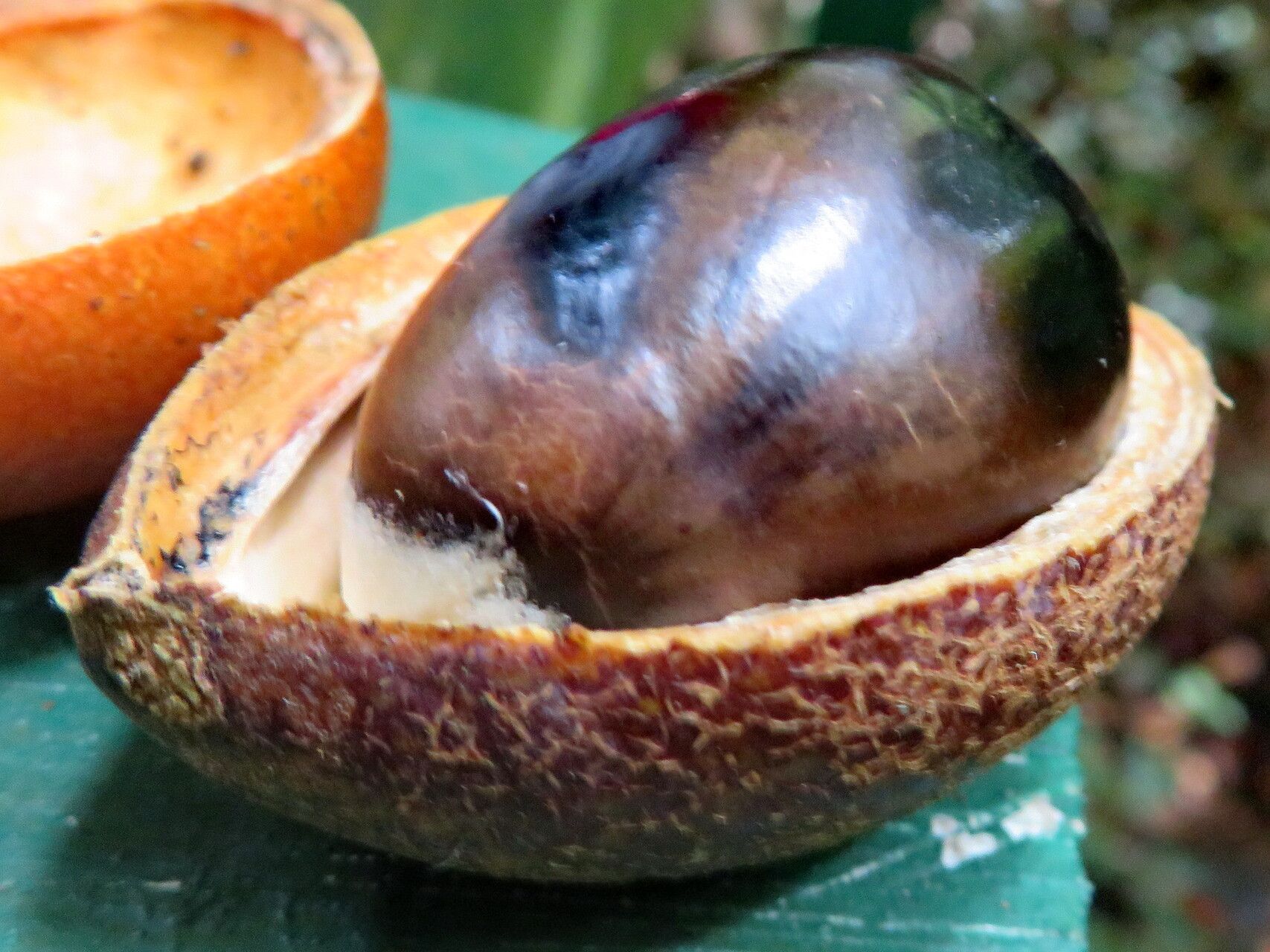
Oh, Swartzia caribaea! What a beauty. Its vibrant foliage and charming blooms are such a joy to have gracing the garden. If you’ve ever admired one and wished you had more, you’re in luck! Propagating this gem is a truly rewarding experience, though I’ll be honest, for absolute beginners, it can be a tad fiddly. But don’t let that stop you – with a little guidance, you’ll be well on your way to a whole new collection. Just think of it as growing your plant family!
The Best Time to Start
For the best chance of success with Swartzia caribaea, I always aim to take cuttings in late spring or early summer. This is when the plant is actively growing and has plenty of energy to dedicate to producing new roots. You’re looking for stems that are semi-hardwood – not brand new and flimsy, but not old and woody either. They should snap cleanly when bent, not bend limply.
Supplies You’ll Need
Gathering your tools beforehand makes the whole process smoother. Here’s what I usually have on hand:
- Sharp pruning shears or a clean knife: For taking your cuttings. Sterilize them with rubbing alcohol!
- Rooting hormone (powder or gel): This is a big help, especially if you’re a bit new to this. It encourages faster and stronger root development.
- Well-draining potting mix: A mix of perlite, peat moss, and a bit of compost works wonderfully. A commercial cactus or succulent mix can also be a good base.
- Small pots or seed trays: Whatever you have available, just make sure they have drainage holes.
- Plastic bags or a propagation dome: To create a humid environment for your cuttings.
- Water: To moisten your soil and, if you choose, for water propagation.
- Labels and a permanent marker: You’ll thank me later for keeping track of what’s what!
Propagation Methods
I’ve had great luck with a couple of methods for Swartzia caribaea. Let’s dive in!
Stem Cuttings: My Go-To
This is my most successful method.
- Select your stock plant: Choose a healthy, vigorous Swartzia caribaea.
- Take cuttings: Using your sterilized pruners, cut sections of stem about 4-6 inches long. Make your cut just below a leaf node (where a leaf meets the stem). This is where the magic happens for rooting.
- Prepare the cuttings: Gently remove the lower leaves from the cutting. You want to expose the nodes so they can form roots. Leave just a few leaves at the top to help the cutting photosynthesize. If the remaining leaves are very large, you can even cut them in half to reduce water loss.
- Apply rooting hormone: Dip the cut end of each stem into your rooting hormone. Tap off any excess.
- Plant the cuttings: Make a small hole in your well-draining potting mix with a pencil or your finger. Insert the cutting into the hole, ensuring the nodes are buried. Gently firm the soil around the base.
- Water gently: Water the soil thoroughly to settle it around the cuttings.
- Create humidity: Cover the pot or tray with a plastic bag or propagation dome. Make sure the leaves don’t touch the plastic if possible. You can use stakes to prop it up. Place the pot in a warm spot with bright, indirect light.
Water Propagation: A Visual Treat
This method is so satisfying because you can watch the roots grow!
- Prepare cuttings: Follow steps 1-3 from the Stem Cuttings method.
- Place in water: Put the prepared cuttings in a clear glass or jar filled with water.
- Location, location, location: Similar to soil cuttings, place the jar in a spot with bright, indirect light.
- Change water regularly: Change the water every few days to keep it fresh and prevent bacterial growth.
- Wait for roots: You should start to see tiny white roots emerge from the nodes within a few weeks. Once the roots are about an inch long, carefully transplant them into your potting mix. Be very gentle with these delicate new roots!
The “Secret Sauce” (Pro Tips)
Here are a few little tricks I’ve picked up over the years:
- Bottom Heat is Your Friend: If you can, place your pots on a heating mat designed for plant propagation. This gentle warmth from below significantly speeds up root formation, especially in cooler conditions or when propagating at the edges of the ideal season.
- Don’t Drench the Soil: While cuttings need moisture, soggy soil is the enemy. It can lead to rot. The soil should be consistently moist, like a wrung-out sponge, not waterlogged. Feel the weight of the pot – it’s a good indicator.
- Patience with the Potting Mix: When moving water-rooted cuttings to soil, resist the urge to bury them too deep. Treat them just as you would a tiny seedling – a shallow planting and a very gentle watering is key.
Aftercare & Troubleshooting
Once your cuttings have developed a good root system (you can gently tug on them, and they’ll offer resistance, or you might even see leaves starting to put on new growth), it’s time for them to graduate!
- Acclimatize them: If they’ve been under cover, gradually introduce them to less humid conditions for a week or so before removing the cover entirely. This prevents shock.
- Continue with good light: Keep them in bright, indirect light. Direct sun can scorch young plants.
- Water sparingly: Water only when the top inch of soil feels dry. Overwatering is still the biggest culprit here.
- Signs of trouble: If your cutting turns black and mushy, that’s usually rot, often caused by too much moisture or a lack of air circulation. If the leaves start to yellow and droop without new growth, it might not be getting enough light or could be a sign of root disturbance. Sometimes, despite our best efforts, not all cuttings take. Don’t be discouraged! Just try again.
A Little Encouraging Closing
Remember, gardening is a journey, and propagation is one of its most exciting chapters. Be patient with your Swartzia caribaea cuttings. Not every attempt will be a resounding success, and that’s perfectly okay. The real joy is in the process, learning what works for your plants and your environment. So, grab your pruners, get your hands in some soil, and enjoy the magic of bringing new life into the world! Happy propagating!
Resource:
https://identify.plantnet.org/k-world-flora/species/Swartzia%20caribaea%20Griseb./data