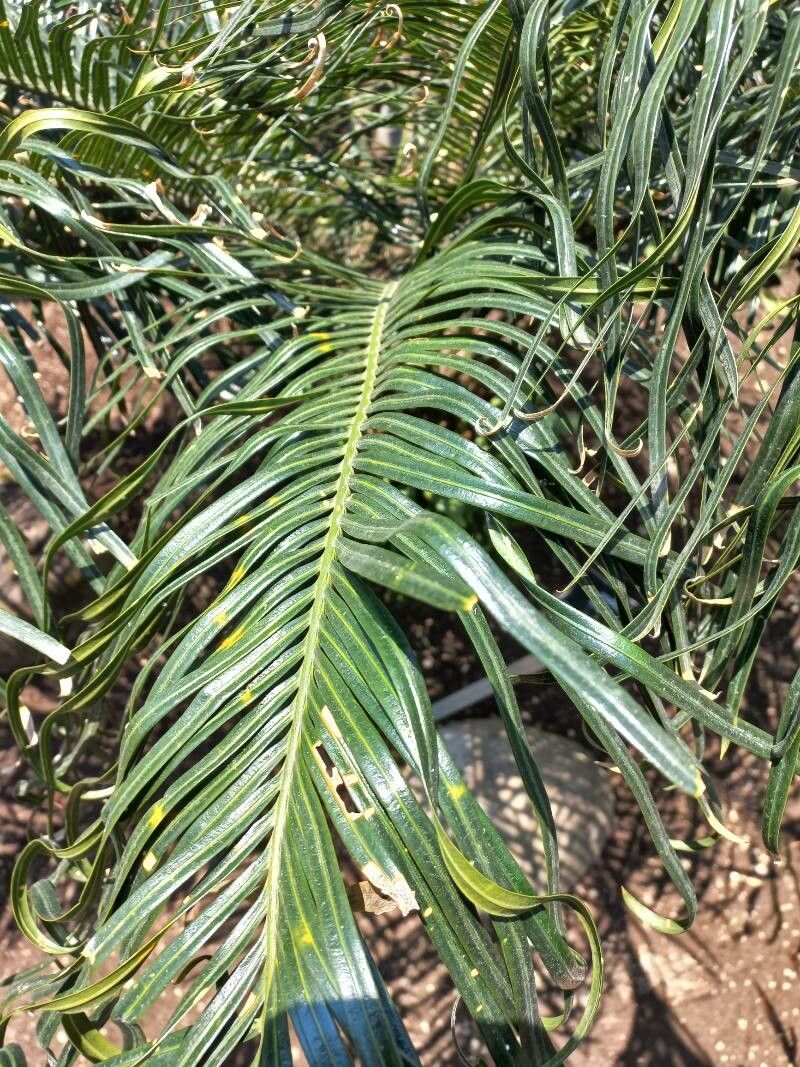
Hello, fellow garden enthusiasts! Today, we’re diving into the fascinating world of Cycas media. If you’re looking for a touch of the prehistoric in your garden, this cycad is a real showstopper. With its elegant, palm-like fronds, it brings an instant air of the exotic. Propagating these beauties can be incredibly rewarding, a real badge of honor for any gardener. Now, I won’t sugarcoat it – Cycas media isn’t the absolute easiest plant to propagate for a complete beginner. It takes a little patience and attention to detail, but with my guidance, I’m confident you can succeed.
The Best Time to Start
Timing is everything when it comes to getting new plants off to a good start. For Cycas media, the ideal time for propagation is during its active growing season, which is typically late spring through summer. You’re looking for a period when the plant is healthy, vigorous, and producing new growth. This is when it has the most energy to dedicate to developing roots. Attempting to propagate when the plant is dormant, or stressed by cool temperatures, will likely lead to disappointment.
Supplies You’ll Need
Before we get our hands dirty, let’s gather our tools. Having everything ready beforehand makes the process so much smoother.
- Sharp Pruning Shears or a Clean Knife: For making clean cuts that heal well.
- Rooting Hormone (Optional, but Recommended): I find a powder form works well, especially for encouraging quick root development. Look for one containing IBA.
- Well-Draining Potting Mix: A mix designed for cacti and succulents is a good start. I often add a bit of perlite or coarse sand to ensure excellent drainage. Think gritty!
- Small Pots or Trays: Clean plastic pots or seed trays work perfectly.
- Watering Can with a Fine Rose: For gentle watering.
- Labels: To keep track of your new darlings!
- A Warm Location: A greenhouse, a bright windowsill, or even a propagation mat can provide the necessary warmth.
Propagation Methods
Cycas media primarily propagates from offsets (pups). These are the little baby plants that emerge from the base of the mature plant. It’s a very natural process, and we’re just helping it along!
1. Harvesting the Offsets (Pups)
- Wait for Size: The most important step here is to wait until the offset is of a decent size. I look for pups that are at least a few inches tall and have a few developed leaves. Tiny little nubs are best left to grow bigger on the mother plant.
- Carefully Separate: Using your clean pruning shears or knife, carefully cut the offset away from the mother plant as close to the base as possible. Try to get a small root connection if you can, but it’s not always possible, and they can still root from scratch.
- Clean Up: Remove any excess soil from the base of the offset. Inspect it for any signs of damage or disease.
2. Preparing the Offset for Rooting
- Callusing: This is a crucial step many gardeners skip! After you’ve made the cut, let the offset sit in a dry, shaded spot for 2-3 days. This allows the cut end to callus over, forming a protective scar. This greatly reduces the risk of rot.
- Apply Rooting Hormone: Once the cut end has callused, dip the cut surface into your rooting hormone powder. Tap off any excess.
3. Planting the Offset
- Potting Mix: Fill your clean pots with your well-draining potting mix.
- Planting Depth: Make a small hole in the center of the soil for the offset. Plant the offset so that the base is nestled into the soil, ensuring the callused cut is covered but not so deep that the leaves are buried. You want the new plant to be stable.
- Water Gently: Water the soil gently to settle it around the base of the offset. Avoid overwatering at this stage.
The “Secret Sauce” (Pro Tips)
You didn’t think I’d leave you without a few tricks up my sleeve, did you?
- Bottom Heat is Your Friend: Cycas media absolutely loves warmth from below. If you can, place your pots on a propagation mat or in a warm spot where the soil temperature stays consistently around 70-75°F (21-24°C). This is a game-changer for encouraging root formation.
- Don’t Drown Your Pup: Once planted, water sparingly. The goal is consistently slightly moist soil, not soggy. Too much water at this stage is the quickest way to invite rot. I usually water thoroughly after planting, then let the top inch of soil dry out before watering again.
- Light, But Not Direct Sun: Once potted, place your offset in a bright location with indirect light. Direct, scorching sun can scorch the young leaves and dry out the soil too quickly. Think dappled shade.
Aftercare & Troubleshooting
Patience is a virtue when it comes to propagation, but it’s also important to know what to look for.
- Checking for Roots: Rooting can take anywhere from a few weeks to several months. You can gently tug on the offset (very, very gently!) to feel for resistance, which indicates root development. Another sign is seeing new leaf growth emerge from the center of the plant. Don’t pull it out to check the roots too often – leave it be!
- Watering: Once you see signs of rooting or new growth, you can gradually increase your watering frequency, but always still aim for well-draining conditions. Let the top layer of soil dry out between waterings.
- Signs of Trouble:
- Rot: This is the most common issue. If your offset looks mushy at the base, smells unpleasant, or the leaves are turning yellow and limp, it’s likely rot. There’s usually no coming back from this, which is why proper drainage and not overwatering are so vital.
- No Growth: If after several months there’s still no sign of roots or new leaves, it might not have taken. Don’t beat yourself up! Sometimes it just doesn’t work out, and that’s part of gardening.
A Word of Encouragement
Nurturing a new plant from a piece of an established one is a truly special feeling. Be patient with your Cycas media. Some will be quick to root, while others will take their sweet time. Celebrate every little sign of progress, and don’t be discouraged if you have a few failures along the way. Every gardener has them! Enjoy the process, and soon you’ll have a beautiful new addition to your collection. Happy growing!
Resource:
https://identify.plantnet.org/k-world-flora/species/Cycas%20media%20R.Br./data