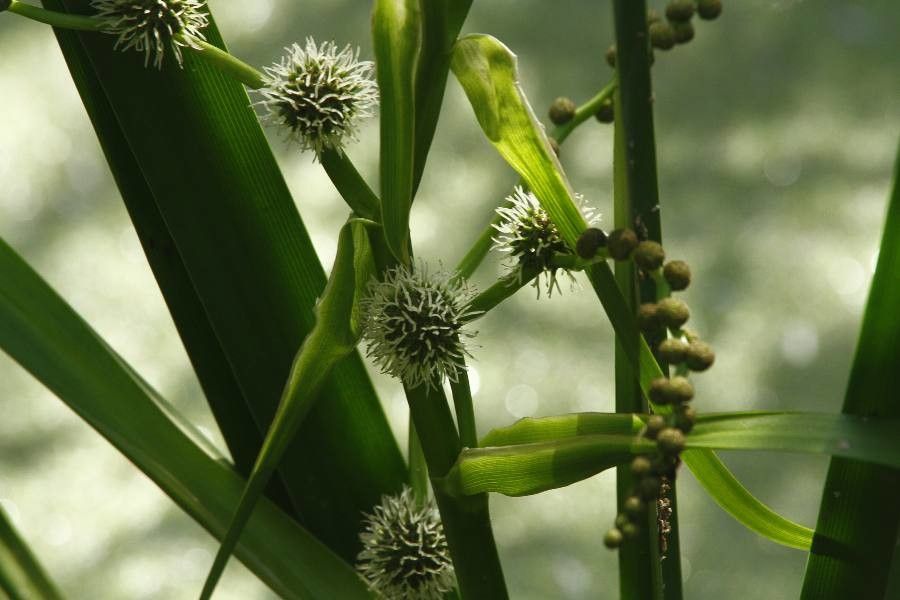
Hello, fellow plant enthusiasts! Today, we’re diving into the fascinating world of Sparganium erectum, or as we often call it, the Great Bur-reed. If you’ve ever admired its unique, spiky flower heads and architectural presence in a pond or water garden, you’re not alone. There’s something truly special about these aquatic beauties. And the best part? They’re surprisingly rewarding to propagate. Don’t let the “aquatic” part fool you; while it has specific needs, it’s a pretty manageable plant to multiply for both seasoned gardeners and those just dipping their toes in the water garden scene.
The Best Time to Start
For Sparganium erectum, the sweet spot for propagation coincides with its most vigorous growth. This means late spring or early summer is your golden ticket. You’ll want to wait until the plant has fully emerged from dormancy and is actively putting out new shoots. This is when its energy levels are highest, making it more receptive to division and rooting.
Supplies You’ll Need
Gathering your supplies beforehand makes the whole process smoother. Here’s what I usually have on hand:
- Sharp pruning shears or a clean knife: For making precise cuts.
- Gloves: To keep your hands clean and protect them from any sap.
- A sturdy bucket or tub: For collecting plant material and holding water.
- Aquatic plant soil or a well-draining potting mix: If you’re replanting divisions directly into pots. A mix of loam, sand, and compost works well.
- Small pots or containers: For housing your new divisions or cuttings.
- Gravel or small stones: To anchor divisions or cuttings if needed.
- Water: Essential, of course! Fresh, chlorine-free water is best, especially if you’re experimenting with water propagation.
Propagation Methods
Sparganium erectum is most commonly and successfully propagated through division.
Division: The Tried and True Method
This is the easiest way to get more bur-reeds. Your mature plant will naturally produce new shoots, which are essentially baby plants attached to the parent.
- Gently excavate: Carefully lift your Sparganium erectum from its container or the pond edge. Try not to damage the roots too much.
- Inspect the rhizomes: You’ll see thick, fleshy underground stems called rhizomes. Look for areas where new shoots are emerging from these rhizomes.
- Divide with care: Using your sharp shears or knife, carefully cut through the rhizome, ensuring each division has at least one healthy shoot and a good portion of roots. It doesn’t have to be a perfect cut, just a clean one.
- Remove excess foliage: Trim back any overly long or damaged leaves. This helps the division conserve energy.
- Replant immediately: You can either replant the divisions directly back into water-holding containers with aquatic soil, or if you’re starting them in a more controlled environment, place them in pots filled with your chosen soil mix. Ensure the soil is moist. If planting directly into a pond, anchor them with a bit of gravel.
The “Secret Sauce” (Pro Tips)
Here are a few tricks I’ve learned over the years that can really boost your success:
- Don’t be afraid of the roots: While we want to preserve them, the rhizomes and roots are where the magic happens. When dividing, focus on getting a decent root system with each shoot. A well-established root system is key to quick establishment.
- Mimic their natural habitat: Sparganium erectum loves its feet wet. Ensure your divisions or replanted sections have consistent moisture. For newly divided plants that aren’t yet in their permanent water, I’ll often set the pots in a shallow tray of water to keep the soil consistently saturated.
Aftercare & Troubleshooting
Once your divisions are replanted, give them a little TLC.
- Consistent moisture is paramount: Whether they’re in containers or in the ground, make sure they never dry out. For potted plants, keep a close eye on the water level in their saucers.
- Gradual acclimatization: If you’ve been growing divisions in pots indoors or in a protected area, slowly introduce them to full sun and their permanent water garden location over a week or two. This prevents shock.
- Watch for rot: The most common issue you might encounter is rot. This usually happens if the plant isn’t in adequate light, or if the planting medium stays waterlogged in a way that suffocates the roots. If you see slimy, mushy sections, it’s a sign of trouble. Remove affected parts and ensure good air circulation. Sometimes, a division might fail to take; don’t be discouraged!
So there you have it. Propagating the Great Bur-reed is a wonderful way to fill out your water garden or share these unique plants with friends. Be patient with your new additions; like all plants, they take a little time to settle in. Happy gardening, and enjoy the journey of watching your green world grow!
Resource:
https://identify.plantnet.org/k-world-flora/species/Sparganium%20erectum%20L./data