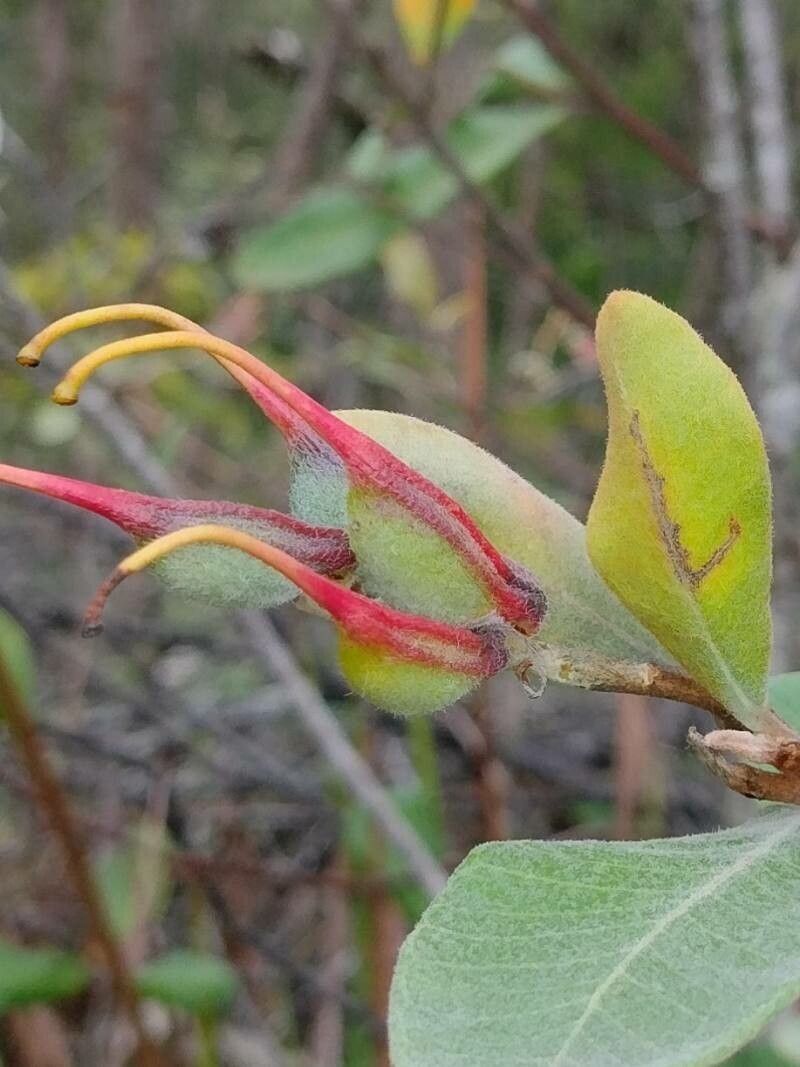
Oh, Grevillea macleayana! If you’re looking for a plant that brings a touch of the Australian bush to your garden with its striking, spidery flowers and attractive foliage, you’ve found a winner. And the best part? You can easily grow more of this beauty yourself! It’s incredibly satisfying to take a tiny cutting and watch it transform into a whole new plant. For home gardeners, especially those just dipping their toes into propagation, Grevillea macleayana is surprisingly forgiving. I’ve found it to be a great plant to learn with.
The Best Time to Start
Generally, the spring and early summer are your golden windows for success. When the plant is actively growing, it has more energy to push out new roots. Look for stems that are semi-hardwood. This means they’re not brand new, bright green and floppy, but also not old and woody. They should snap cleanly when bent, rather than just bending.
Supplies You’ll Need
Gathering your tools beforehand makes the whole process smoother. Here’s what I usually have on hand:
- Sharp pruning shears or a craft knife: Cleanliness is key!
- Rooting hormone: A powder or gel works wonderfully.
- Seedling potting mix: A well-draining blend is crucial. I like a mix of peat, perlite, and a bit of sand.
- Small pots or trays: Clean ones, of course.
- Clear plastic bags or a propagator: To keep humidity high.
- Watering can with a fine rose: Gentle watering is a must.
- Labels and a permanent marker: You’ll thank me later!
Propagation Methods
I find that taking stem cuttings is the most reliable and rewarding way to propagate Grevillea macleayana.
-
Select and take your cuttings: Choose healthy, healthy stems from your chosen Grevillea macleayana. Aim for cuttings that are about 10-15 cm long. Using your clean shears or knife, make a cut just below a leaf node (where a leaf attaches to the stem).
-
Prepare the cuttings: Gently remove the lower leaves from the cutting, leaving just a few at the top. This prevents them from rotting in the soil. If the leaves at the top are very large, you can even snip them in half to reduce water loss.
-
Apply rooting hormone: Dip the cut end of the stem into your rooting hormone. Tap off any excess. This stuff really gives your cutting a boost.
-
Pot them up: Fill your clean pots or trays with your well-draining potting mix. Make a small hole with a pencil or a dowel. Carefully insert the prepared cutting into the hole, ensuring the cut end is making good contact with the soil. Gently firm the soil around the base of the cutting.
-
Create a humid environment: Water the soil gently. Then, cover the pot or tray with a clear plastic bag or place it in a propagator. This creates a mini-greenhouse effect, keeping the humidity high, which is vital for cuttings to root. You can secure the bag with a rubber band.
The “Secret Sauce” (Pro Tips)
Here are a few things I’ve learned over the years that can make a big difference:
- Bottom Heat is Your Friend: If you have the space, placing your pots on a heated propagation mat can significantly speed up the rooting process. It encourages the plant to send energy downwards.
- Don’t Let Leaves Touch the Water (If Water Propagating): While stem cuttings in soil are my preferred method for Grevilleas, if you do experiment with water, make sure no leaves are submerged. Submerged leaves will rot and can kill your cutting even before it has a chance to root.
- Sterility is Paramount: I can’t stress this enough. After each use, I thoroughly clean my tools and pots. Any trace of disease can quickly spread and ruin your efforts.
Aftercare & Troubleshooting
Once you’ve potted up your cuttings, place them in a bright spot with indirect light. Avoid direct sun, as it can scorch the delicate cuttings. Keep the soil consistently moist but not waterlogged. And be patient! Rooting can take anywhere from a few weeks to a couple of months.
Signs of failure often include wilting that doesn’t improve, browning of the stem, or the cutting turning mushy and black. This usually points to too much moisture, poor drainage, or a fungal issue. If you see signs of rot, sometimes you can salvage it by dipping the clean cut end in diluted fungicide and repotting in fresh, dry soil, but often it’s best to start again.
When you see new growth appearing, that’s a good sign that roots have formed. You might even feel a gentle resistance when you give the pot a little tug. Once they’re well-established, you can gradually acclimatize them to normal conditions before potting them on into slightly larger pots.
A Encouraging Closing
Growing your own Grevillea macleayana is such a fulfilling experience. Don’t be discouraged if your first few attempts aren’t perfect. Every gardener has more failures than successes when they start. Just keep experimenting, keep learning, and most importantly, enjoy the journey of coaxing new life from a simple stem. Happy propagating!
Resource: